

How Reviews are essential for brand building
Part 1 : Introduction:
In today’s digital marketplace, trust is the new currency—and reviews are its foundation. Before buying a product, booking a service, or choosing a brand, customers almost always check what others have to say. A few honest opinions can influence decisions more powerfully than the most polished advertisement. This shift in consumer behavior has made reviews not just helpful, but essential for brand building.
Reviews act as modern-day word-of-mouth marketing. They validate your promises, highlight real experiences, and shape public perception. Positive reviews strengthen credibility, while even constructive criticism—when handled well—demonstrates transparency and commitment to improvement. In a world where consumers are overwhelmed with choices, brands that consistently earn authentic feedback stand out as trustworthy and reliable.
More than just star ratings, reviews create a dialogue between businesses and customers. They build community, encourage loyalty, and provide valuable insights for growth. Simply put, brands are no longer defined only by what they say about themselves—but by what their customers say about them.
Why Brand Building Has Changed in the Digital Era
Brand building is no longer what it used to be. In the past, brands were shaped primarily through television ads, print campaigns, billboards, and carefully controlled public messaging. Companies spoke, and customers listened. Today, that dynamic has completely shifted. In the digital era, brand building is faster, more transparent, more interactive—and far less controllable.
The rise of social media, online reviews, and instant communication has transformed how brands are perceived. Customers no longer rely solely on advertisements to form opinions. Instead, they turn to peer reviews, influencer recommendations, social media conversations, and real-time feedback. A single viral post can elevate a brand overnight—or damage its reputation just as quickly.

Trust has also evolved. Modern consumers value authenticity over perfection. They expect brands to engage in conversations, respond to concerns, and stand for something meaningful. Transparency, responsiveness, and consistency now play a greater role than expensive ad campaigns.
Data has further reshaped brand strategy. Digital tools allow companies to track behavior, personalize experiences, and measure impact with precision. Brands can no longer afford to take a one-size-fits-all approach. Personalization and customer-centric communication have become essential.
Ultimately, brand building in the digital era is not about controlling the message—it’s about participating in the conversation. Businesses that adapt to this shift, prioritize customer experience, and build genuine relationships are the ones that thrive in today’s connected world.
The Rise of Social Proof in Consumer Decision-Making
In today’s hyper-connected world, consumers rarely make decisions in isolation. Whether purchasing a product, choosing a restaurant, or subscribing to a service, people instinctively look to others for guidance. This psychological tendency—known as social proof—has become one of the most powerful forces shaping modern consumer behavior.
The concept of social proof was popularized by psychologist Robert Cialdini in his influential book Influence: The Psychology of Persuasion. At its core, social proof suggests that individuals tend to follow the actions of others, especially in situations where they feel uncertain. When we see others endorsing a product or service, we interpret it as validation that we are making the right choice.
Why Social Proof Matters More Than Ever
The digital era has amplified social proof dramatically. Online reviews, ratings, testimonials, influencer endorsements, and user-generated content are now central to the buying process. Before clicking “buy,” customers often check star ratings, scroll through comments, and watch real customer experiences.
Unlike traditional advertising, social proof feels authentic. It comes from peers, not brands. And in an environment where trust in advertising has declined, peer validation carries far greater weight.
Forms of Social Proof in the Digital Age
Social proof appears in several powerful forms:
- Customer Reviews and Ratings – Star ratings instantly signal credibility.
- Testimonials – Detailed success stories reduce buyer hesitation.
- Influencer Endorsements – Trusted personalities shape audience opinions.
- User-Generated Content – Real customers sharing real experiences.
- Social Media Engagement – Likes, shares, and comments act as public validation.
Each of these signals tells potential buyers, “Others trust this brand—so you can too.”
The Psychology Behind the Shift
Modern consumers face overwhelming choices. With thousands of options available at their fingertips, decision fatigue is real. Social proof simplifies decisions. It reduces perceived risk and provides reassurance.
When a product has hundreds—or thousands—of positive reviews, it creates a sense of safety. Conversely, a lack of reviews can raise doubts, even if the product itself is high quality.
The Impact on Brands
For businesses, social proof is no longer optional—it is essential. Brands that actively encourage reviews, showcase testimonials, and engage with customer feedback build stronger credibility. On the other hand, ignoring public feedback can weaken trust. Importantly, social proof is not just about collecting praise. Responding professionally to negative reviews also strengthens brand perception. Transparency and accountability often matter more than perfection.
The rise of social proof reflects a fundamental shift in power—from brands to consumers. Today, purchasing decisions are shaped less by what companies claim and more by what communities confirm. In a marketplace driven by trust and transparency, social proof has become one of the most influential forces in consumer decision-making.
Businesses that understand and strategically leverage social proof will not only attract more customers—they will build lasting credibility in an increasingly competitive digital world.
How Brand Reviews Shape First Impressions Instantly
In the digital world, first impressions are no longer made through storefronts, packaging, or advertisements—they are made through reviews. Before visiting a website, making a purchase, or contacting a business, most consumers quickly scan ratings and customer feedback. Within seconds, they form an opinion. And that opinion often determines whether they move forward or move on.
The Power of the First Glance
When customers search for a product or service, the first thing they notice is the star rating. A 4.5-star average immediately builds confidence. A 2-star rating instantly raises doubt. Even before reading a single comment, buyers subconsciously judge credibility based on visible feedback.
This rapid judgment happens because reviews act as social validation. If many others had a positive experience, new customers assume they will too. On the other hand, negative reviews can create hesitation, even if the brand’s marketing is strong.
Brand Trust Is Built in Seconds
Modern consumers are cautious. With countless options available online, they want reassurance before spending money. Reviews provide that reassurance. Detailed testimonials, real photos from customers, and authentic experiences help reduce uncertainty.
Interestingly, a mix of positive and a few negative reviews often feels more trustworthy than a perfect rating. It signals authenticity. What matters most is how a brand responds. Professional, respectful replies to criticism demonstrate accountability and care.
Emotional Impact of Reviews
Reviews don’t just provide information—they influence emotions. Words like “reliable,” “fast delivery,” or “excellent support” create confidence and excitement. Meanwhile, phrases like “poor service” or “not as described” trigger caution and doubt.
Because buying decisions are emotional as much as logical, these emotional cues strongly influence first impressions.
The Competitive Advantage
In crowded markets, reviews can be the deciding factor. When two brands offer similar products at similar prices, customers often choose the one with stronger ratings and more positive feedback. Reviews become a shortcut for decision-making.
Brands that actively collect genuine reviews and engage with customer feedback create a positive cycle: better impressions lead to more sales, which lead to more reviews.
In today’s digital marketplace, reviews are the new storefront. They shape first impressions instantly, influence trust within seconds, and guide purchasing decisions more than traditional advertising ever could. For brands, managing and nurturing reviews is not optional—it is essential for standing out and building lasting credibility.
Understanding Brand Building in Today’s Marketplace
Brand building today is far more complex—and far more dynamic—than it was in the past. A brand is no longer just a logo, tagline, or advertising campaign. It is the complete perception people hold about a business, shaped by every interaction, experience, and conversation they encounter.
In today’s marketplace, customers are more informed, connected, and selective. With unlimited access to information, they compare options, read reviews, follow social media conversations, and evaluate brand values before making decisions. As a result, brand building is no longer about broadcasting a message—it’s about earning trust consistently.

From Visibility to Credibility
In earlier times, visibility was enough. If a brand was seen frequently on television or billboards, it gained recognition. Today, recognition alone is not sufficient. Credibility matters more. Customers want proof—proof of quality, proof of reliability, and proof of customer satisfaction.
Online reviews, testimonials, user-generated content, and social media engagement now play a critical role in shaping brand perception. What others say about your brand often carries more weight than what you say about yourself.
The Role of Customer Experience
Modern brand building revolves around experience. Every touchpoint—website navigation, customer support, delivery speed, product quality, and after-sales service—contributes to the overall image of a brand.
A single negative experience can spread quickly online, while positive experiences can strengthen loyalty and advocacy. Consistency across all channels is essential. Customers expect seamless interactions whether they are browsing on mobile, shopping online, or visiting a physical store.
Purpose and Authenticity Matter
Today’s consumers connect with brands that stand for something meaningful. They appreciate transparency, ethical practices, and genuine communication. Brands that align with customer values build deeper emotional connections.
Authenticity is especially important. Overpromising and underdelivering damages trust quickly. Honest messaging and realistic expectations build long-term credibility.
Data and Personalization
Technology has also transformed brand strategy. Businesses now have access to detailed customer insights. Personalization—such as tailored recommendations and targeted communication—makes customers feel understood and valued. Brands that leverage data effectively can create more relevant and memorable experiences.
Understanding brand building in today’s marketplace means recognizing that it is an ongoing process, not a one-time effort. It requires trust, consistency, engagement, and meaningful customer relationships. Brands that focus on delivering value, listening to feedback, and maintaining authenticity are the ones that thrive in this competitive, digital-driven environment.
What Is Brand Building?
Brand building is the process of creating and strengthening a brand’s identity, reputation, and emotional connection with its target audience. It goes beyond designing a logo or choosing brand colors. Brand building is about shaping how people perceive your business and ensuring that perception is positive, consistent, and trustworthy.
At its core, brand building focuses on creating recognition and trust. When customers repeatedly experience consistent messaging, quality products, and reliable service, they begin to associate certain values and emotions with the brand. Over time, this builds familiarity—and familiarity builds confidence.
More Than Just Marketing
Many people confuse brand building with advertising. While marketing promotes products or services, brand building shapes the overall image and reputation of a business. Advertising may generate short-term sales, but strong branding creates long-term loyalty.
Brand building includes elements such as:
- Clear brand messaging and positioning
- Consistent visual identity
- Customer experience
- Online presence and reputation
- Reviews and testimonials
- Social media engagement
Every interaction a customer has with a business contributes to brand perception.
The Role of Trust and Emotion
Successful brands are not built only on features or pricing. They are built on trust and emotional connection. Customers are more likely to choose brands they recognize, relate to, and feel confident about.
For example, when a brand consistently delivers on its promises, responds to feedback, and maintains transparency, it strengthens credibility. Over time, this trust turns customers into loyal advocates.
Why Brand Building Matters
In competitive markets, products can often be similar in price and quality. What differentiates one company from another is its brand. A strong brand:
- Attracts new customers
- Encourages repeat purchases
- Increases perceived value
- Builds long-term loyalty
- Creates a competitive advantage
Brand building is a continuous process of earning trust, delivering value, and shaping perception. It requires consistency, authenticity, and a deep understanding of customer needs. Businesses that invest in building their brand don’t just sell products—they create lasting relationships and meaningful recognition in the marketplace.
Key Elements of a Strong Brand Identity
A strong brand identity is the foundation of successful brand building. It defines how a business presents itself to the world and how it wants to be remembered. More than just a logo or slogan, brand identity reflects a company’s values, personality, and promise to its customers.
Here are the key elements that shape a powerful and memorable brand identity:
1. Clear Brand Purpose
Every strong brand begins with a clear purpose. Why does the business exist beyond making profit? A well-defined mission and vision guide decisions, messaging, and long-term strategy. When customers understand what a brand stands for, they are more likely to connect with it.
2. Unique Value Proposition
A strong brand identity clearly communicates what makes the business different. This could be superior quality, exceptional customer service, innovation, affordability, or a unique experience. Differentiation helps a brand stand out in crowded markets.
3. Consistent Visual Identity
Visual elements create immediate recognition. These include:
- Logo
- Color palette
- Typography
- Design style
- Packaging
Consistency across websites, social media, advertisements, and physical materials reinforces familiarity and trust.
4. Brand Voice and Messaging
How a brand communicates matters as much as what it communicates. A consistent tone—whether professional, friendly, bold, or inspirational—helps shape personality. Clear and consistent messaging ensures customers understand the brand’s values and offerings.
5. Customer Experience
Brand identity is not only what a company says—it’s what customers experience. From website navigation to after-sales support, every interaction influences perception. Positive and consistent experiences strengthen credibility and loyalty.
6. Reputation and Social Proof
Online reviews, testimonials, and customer feedback contribute significantly to brand identity. In today’s digital marketplace, public perception can shape a brand instantly. Managing and responding to feedback professionally reinforces trust.
7. Emotional Connection
Strong brands connect emotionally with their audience. They inspire confidence, belonging, excitement, or reliability. Emotional engagement turns customers into loyal advocates
A strong brand identity is built through clarity, consistency, and authenticity. It aligns purpose, visuals, messaging, and customer experience into one cohesive image. Businesses that invest in developing and maintaining a clear brand identity not only attract attention—they build lasting recognition and trust in the marketplace.
Emotional Connection vs. Functional Value
When customers choose a brand, their decision is rarely based on logic alone. While product features and pricing matter, emotions often play a bigger role than businesses realize. Understanding the difference between emotional connection and functional value is essential for building a strong, lasting brand.
What Is Functional Value?
Functional value refers to the practical benefits a product or service provides. It answers questions like:
- Does it work well?
- Is it durable?
- Is it affordable?
- Does it solve a specific problem?
For example, a smartphone may offer fast processing speed, long battery life, and high-quality cameras. These features represent its functional value. Functional benefits are important because they justify the purchase and meet customer expectations.
However, in competitive markets, many brands offer similar features. Functional value alone is often not enough to create loyalty.
What Is Emotional Connection?
Emotional connection goes beyond features. It is how a brand makes customers feel. It could be:
- Trust and reliability
- Pride in ownership
- A sense of belonging
- Inspiration or motivation
- Comfort and familiarity
When customers feel emotionally connected to a brand, they choose it even when alternatives are available. Emotional bonds build loyalty, advocacy, and long-term relationships.
Why Emotional Connection Matters More
Functional value may attract customers initially, but emotional connection keeps them coming back. A product might be purchased for its features, but it is remembered for how it made the customer feel.
For example, two brands may offer similar quality and price. Customers often choose the one they trust more, relate to, or feel aligned with in values. This emotional alignment creates a competitive advantage that is difficult to replicate.
Finding the Balance
The most successful brands combine both elements. They deliver strong functional value while also creating meaningful emotional experiences. Ignoring either aspect can weaken brand strength:
- Strong features without emotion lead to price-based competition.
- Strong emotion without reliable functionality leads to disappoin
Emotional connection and functional value are not opposites—they are partners in effective brand building. Functional value earns attention, while emotional connection earns loyalty. Businesses that understand and balance both elements can build brands that not only sell but also inspire lasting customer relationships.
The Role of Reputation in Brand Equity
Brand equity is the value a brand holds in the minds of consumers. It reflects how strongly customers recognize, trust, and prefer a brand over its competitors. At the heart of brand equity lies one powerful factor: reputation.
Reputation is the collective perception people have about a business based on experiences, reviews, word-of-mouth, and public interactions. It is built over time but can be influenced in moments. In today’s digital marketplace, where opinions spread quickly, reputation plays a critical role in shaping brand value.
Reputation as a Trust Builder
Trust is the foundation of brand equity. When customers believe a brand consistently delivers quality and keeps its promises, they are more likely to remain loyal and recommend it to others. Positive reviews, testimonials, and consistent customer experiences strengthen this trust.
A strong reputation reduces perceived risk. Customers feel confident choosing a brand with a history of reliability, even if it is priced higher than alternatives. This confidence directly increases brand equity.
Impact on Customer Loyalty
Reputation influences not only first-time purchases but also repeat business. A well-regarded brand creates emotional security. Customers return because they expect consistency and quality.
Loyal customers often become brand advocates. Their recommendations amplify reputation, creating a cycle where positive perception drives greater brand value.
Competitive Advantage Through Reputation
In markets where products and services are similar, reputation becomes the differentiator. Two companies may offer comparable features and pricing, but the one with stronger credibility often wins.
A positive reputation allows brands to:
- Command premium pricing
- Attract better partnerships
- Expand into new markets more easily
- Recover faster from occasional mistakes
The Risk of Negative Reputation
Just as positive reputation strengthens brand equity, negative perception weakens it. Poor customer experiences, unresolved complaints, or unethical practices can quickly damage trust. In the digital age, negative feedback can spread rapidly, affecting future sales and long-term brand value. This is why reputation management—monitoring reviews, responding professionally to criticism, and maintaining transparency—is essential.
Reputation is not just a reflection of brand equity; it is one of its core drivers. It influences trust, loyalty, pricing power, and competitive positioning. Businesses that actively protect and nurture their reputation build stronger, more resilient brands. In the long run, reputation is not simply what people say about a brand—it is the value that sustains its growth and success.
What Are Customer Reviews Towards The Brand?
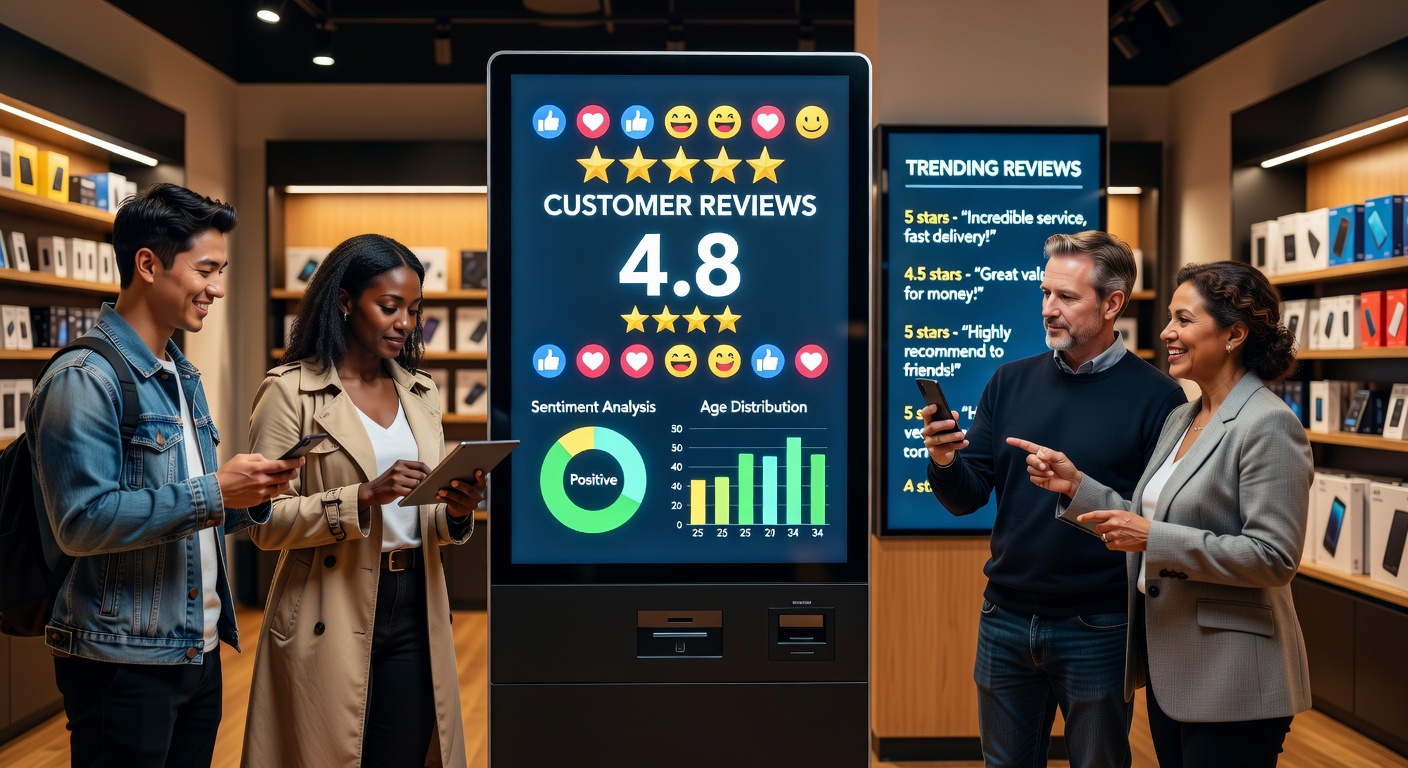
Customer reviews are written or recorded opinions shared by people who have purchased or used a product or service. They reflect real experiences, feedback, and satisfaction levels, helping others make informed decisions before buying.
In today’s digital marketplace, customer reviews play a crucial role in influencing purchasing behavior. They appear on eCommerce websites, social media platforms, business listings, and review portals. These reviews often include star ratings, detailed comments, photos, or even videos describing the customer’s experience.
Why Customer Reviews Matter For Branding
Customer reviews act as modern word-of-mouth marketing. Instead of relying solely on advertisements, potential buyers trust the experiences of other customers. Reviews provide transparency and social proof, making businesses appear more credible and trustworthy.
They help answer important questions such as:
- Is the product worth the price?
- Does it meet expectations?
- Is the service reliable?
- How responsive is customer support?
Types of Customer Reviews
Customer reviews can take several forms:
- Star Ratings – A quick summary of satisfaction level
- Written Reviews – Detailed feedback about experiences
- Photo or Video Reviews – Visual proof of product quality
- Testimonials – Structured positive feedback often featured by brands
Each type provides valuable insight into the brand’s performance and reliability.
The Impact on Businesses
For businesses, customer reviews offer both opportunity and responsibility. Positive reviews build credibility, attract new customers, and strengthen brand reputation. Negative reviews, when handled professionally, provide opportunities for improvement and demonstrate accountability. Reviews also offer insights into customer preferences, helping businesses refine products and services.
Customer reviews are more than just opinions—they are powerful decision-making tools. They build trust, shape brand perception, and influence purchasing choices. In a world where consumers value transparency and authenticity, customer reviews have become an essential part of modern business success.
Verified vs. Unverified Reviews
Customer reviews play a major role in shaping buying decisions, but not all reviews carry the same level of credibility. One important distinction in the digital marketplace is between verified and unverified reviews. Understanding the difference helps both businesses and consumers evaluate feedback more effectively.
What Are Verified Reviews?
Verified reviews are submitted by customers whose purchase has been confirmed by the platform. This usually means the reviewer actually bought the product or service through that specific website.
These reviews often carry a “Verified Purchase” badge, signaling authenticity. Because the platform can confirm the transaction, verified reviews are generally seen as more trustworthy and reliable.
Why Verified Reviews Matter:
- Higher credibility
- Greater consumer trust
- Reduced chances of fake feedback
- Stronger influence on purchasing decisions
For businesses, verified reviews strengthen brand reputation and provide genuine insights into customer satisfaction.
What Are Unverified Reviews?
Unverified reviews are submitted without confirmed proof of purchase through the platform. This doesn’t automatically mean they are fake or dishonest. In some cases, customers may have purchased the product elsewhere or used a service without booking online.
However, because the platform cannot confirm the transaction, these reviews may be viewed with more caution.
Potential Concerns:
- Higher risk of fake or biased feedback
- Competitor manipulation
- Inflated positive reviews
Consumers often weigh unverified reviews less heavily compared to verified ones.
Which Is More Influential?
While both types of reviews can provide valuable insights, verified reviews typically carry greater impact. Shoppers feel more confident knowing that feedback comes from real buyers.
That said, patterns matter more than individual comments. A consistent trend—positive or negative—across many reviews often reveals the true customer experience.
The Business Perspective
For businesses, encouraging verified reviews through legitimate purchase channels is essential. It builds transparency and strengthens credibility. At the same time, responding professionally to both verified and unverified reviews demonstrates accountability and customer focus.
Verified and unverified reviews both contribute to online reputation, but verified reviews generally offer stronger credibility and trust. In today’s digital environment, authenticity is key. Brands that prioritize genuine customer feedback create a stronger foundation for long-term trust and growth.
Organic Reviews vs. Incentivized Reviews
Customer reviews are powerful tools for building trust and influencing purchasing decisions. However, not all reviews are created the same way. Two common types are organic reviews and incentivized reviews. Understanding the difference between them is essential for maintaining credibility and long-term brand trust.
What Are Organic Reviews?
Organic reviews are written voluntarily by customers without receiving any reward, discount, or incentive. These reviews are based purely on genuine experience and personal satisfaction (or dissatisfaction).
Key Characteristics of Organic Reviews:
- Unprompted or naturally encouraged
- No compensation involved
- Honest and experience-based
- Often more detailed and authentic
Because they are freely given, organic reviews are generally viewed as highly trustworthy. They reflect real customer sentiment and provide valuable insights into product quality and service performance.
What Are Incentivized Reviews?
Incentivized reviews are written in exchange for a reward. The reward may include discounts, free products, loyalty points, cashback, or entry into a giveaway. While the customer may still share an honest opinion, the presence of an incentive can sometimes influence perception.
Common Forms of Incentives:
- Discount coupons
- Free samples
- Gift cards
- Contest entries
In many cases, platforms require disclosure if a review is incentivized. Transparency is critical to maintaining trust.
The Trust Factor
Organic reviews often carry more weight because they are perceived as unbiased. Customers tend to trust feedback that appears voluntary and authentic.
Incentivized reviews, while not necessarily dishonest, may be viewed with caution if there is no clear disclosure. If customers suspect manipulation, it can damage brand credibility.
The Business Perspective
For businesses, the goal should always be authenticity. Encouraging customers to leave honest feedback after a purchase is a healthy and ethical strategy. However, offering incentives must be handled carefully and in compliance with platform policies. Over-reliance on incentivized reviews can harm reputation if it appears that a brand is trying to “buy” positive feedback
Organic and incentivized reviews both play roles in modern marketing, but authenticity remains the most valuable asset. Organic reviews build stronger long-term trust, while incentivized reviews require transparency to maintain credibility. Brands that prioritize genuine customer experiences will always benefit from more meaningful and sustainable feedback.
Why Reviews Matter More Than Ever
In today’s digital-first world, customer reviews have become one of the most influential factors in purchasing decisions. Consumers no longer rely solely on advertisements or brand messaging. Instead, they turn to real customer experiences to guide their choices. As a result, reviews now matter more than ever.
Trust Has Shifted to Consumers
Modern buyers are skeptical of traditional marketing. They understand that advertisements highlight only the best aspects of a product or service. Reviews, on the other hand, offer unfiltered opinions from real users.
When potential customers see honest feedback—both positive and negative—it builds trust. This peer validation carries more credibility than promotional claims.
Instant First Impressions
Reviews often form the first impression of a brand. A strong average rating and positive comments immediately create confidence. Conversely, low ratings or unresolved complaints can drive customers away within seconds.
In competitive markets, that first impression can determine whether someone clicks “buy” or chooses a competitor.
Social Proof Drives Decisions
People naturally look to others when making decisions, especially in uncertain situations. Reviews act as social proof, signaling that others have tested and approved a product. The more positive reviews a brand has, the more comfortable new customers feel.
This psychological reassurance significantly increases conversion rates.
Impact on Search Visibility
Reviews also influence online visibility. Many search engines and marketplaces prioritize businesses with strong ratings and consistent customer engagement. This means reviews not only impact trust but also affect discoverability.
More positive feedback can lead to higher rankings, increased traffic, and greater sales opportunities.
Valuable Business Insights
Beyond influencing customers, reviews provide valuable feedback for businesses. They highlight strengths, reveal weaknesses, and uncover areas for improvement. Companies that actively listen and respond to reviews can refine their products and enhance customer experience.
The Competitive Edge
When products are similar in price and quality, reviews become the deciding factor. Brands with stronger reputations and better feedback gain a clear competitive advantage.
Reviews matter more than ever because they shape trust, influence decisions, and define brand perception in real time. In a marketplace driven by transparency and digital interaction, customer feedback is not just helpful—it is essential. Businesses that prioritize authentic reviews and actively engage with customer feedback position themselves for long-term growth and credibility.
Consumers Trust Consumers
Modern consumers are more skeptical than ever. Traditional advertisements are designed to persuade, highlight strengths, and minimize weaknesses. While marketing still plays an important role, buyers understand that ads are controlled messages created by brands themselves.
In contrast, customer reviews, testimonials, and peer recommendations feel more authentic. When real people share real experiences, it creates a sense of transparency. Consumers relate more to fellow buyers because they perceive them as unbiased and honest.
Word-of-mouth has always been powerful. The difference today is scale. Online platforms allow one customer’s opinion to influence thousands—or even millions—of potential buyers. As a result, consumer trust has shifted from brand messaging to community validation.
The Psychology Behind Social Proof
Social proof is based on a simple psychological principle: people look to others when making decisions, especially in uncertain situations. When faced with multiple options, consumers often choose what appears popular, highly rated, or widely recommended.
Seeing a product with hundreds of positive reviews reduces perceived risk. It signals safety and reliability. On the other hand, a lack of reviews can create doubt, even if the product itself is high quality.
This psychological behavior helps simplify decision-making. Instead of analyzing every feature in detail, consumers use the experiences of others as a shortcut. Social proof provides reassurance and increases confidence in purchasing decisions.
The Impact of Online Research Before Purchase
Today’s buyers rarely make impulsive decisions without research. Before purchasing, they compare prices, read reviews, watch videos, and check ratings across multiple platforms.
Online research allows customers to feel informed and empowered. They evaluate not only the product but also the brand’s reputation, customer service quality, and overall credibility.
This shift means that businesses must maintain a strong online presence. A product may be excellent, but if online research reveals poor reviews or limited information, potential customers may choose a competitor instead.
Mobile-First Buyers and Instant Credibility Checks
With smartphones in nearly every pocket, consumers can research products anytime and anywhere. Whether standing inside a store or browsing online, buyers perform instant credibility checks within seconds.
They quickly scan star ratings, recent reviews, and social media mentions. This immediate access to information means that first impressions are formed faster than ever.
For brands, this creates both opportunity and responsibility. A strong rating and positive feedback can instantly build trust. However, negative reviews or unanswered complaints can discourage potential customers just as quickly.
Consumer behavior has evolved dramatically in the digital age. Trust now comes from peer validation, social proof influences decision-making, research precedes purchase, and mobile access enables instant evaluation. Businesses that understand these shifts and prioritize credibility, transparency, and customer experience will be better positioned to succeed in today’s competitive marketplace.
Reviews as a Foundation of Brand Credibility
In today’s digital marketplace, brand credibility is no longer built solely through advertising or polished messaging. It is built through proof—and reviews provide that proof. Customer reviews have become one of the strongest foundations of brand credibility because they reflect real experiences from real people.

Trust Built Through Transparency
Credibility begins with trust. When potential customers see consistent, authentic feedback, they feel reassured. Reviews offer transparency by showcasing both strengths and areas for improvement. This openness makes a brand appear more honest and reliable.
Interestingly, a perfect five-star rating is not always the most credible. A balanced mix of positive feedback and occasional criticism—handled professionally—often appears more authentic. Transparency signals confidence.
Social Proof Strengthens Reputation
Reviews serve as social proof. When many customers share positive experiences, it signals that the brand consistently delivers value. This collective validation reduces uncertainty and increases buyer confidence.
Instead of relying on brand claims, new customers rely on community experiences. The more positive feedback a brand accumulates, the stronger its perceived credibility becomes.
Consistency Creates Confidence
Brand credibility is not built by one or two good reviews—it is built by consistent positive feedback over time. Patterns matter. When customers repeatedly mention quality, reliability, or excellent service, those attributes become associated with the brand.
Consistency reassures buyers that their experience will likely match what others have experienced.
Handling Negative Reviews Professionally
Negative reviews are not necessarily harmful. In fact, they can strengthen credibility when managed correctly. Prompt, respectful responses demonstrate accountability and customer care. They show that the brand listens, values feedback, and is committed to improvement.
Ignoring complaints, on the other hand, can weaken trust and damage reputation.
The Long-Term Impact on Brand Value
Over time, reviews shape how a brand is perceived in the market. Strong credibility allows businesses to:
- Attract more customers
- Command premium pricing
- Build loyalty
- Strengthen competitive advantage
Reviews become part of the brand’s public identity.
Reviews are more than feedback—they are a foundation of brand credibility. They provide transparency, build trust, and influence purchasing decisions instantly. In a world where consumers trust other consumers more than advertisements, brands that actively cultivate and manage authentic reviews create a powerful and lasting reputation.
Authenticity and Real-World Experiences
In today’s digital world, authenticity has become one of the most valuable assets a brand can possess. Consumers are no longer impressed by perfect advertisements or exaggerated claims. Instead, they look for real-world experiences that reflect honesty, transparency, and genuine customer satisfaction.
Authenticity builds trust. When customers share honest reviews, real photos, and detailed feedback, it creates a sense of credibility that marketing alone cannot achieve. People relate more to real experiences than to scripted promotions. They want to know how a product performs in everyday life, not just in a controlled campaign.
Real-world experiences also humanize a brand. They show that behind every product or service, there are real customers with real stories. This connection makes brands more approachable and trustworthy.
In competitive markets, authenticity can be the deciding factor. Customers are more likely to support brands that are transparent, responsive, and true to their promises. Over time, these genuine interactions strengthen reputation and loyalty.
Ultimately, authenticity is not about being perfect—it’s about being real. Brands that embrace honesty and encourage genuine customer experiences build stronger, longer-lasting relationships with their audience.
How Reviews Reduce Purchase Anxiety
In the digital marketplace, purchase anxiety is a real challenge. Customers often hesitate before buying because they cannot physically see, touch, or test a product. They worry about quality, value for money, delivery reliability, and whether the product will truly meet their expectations. Reviews play a crucial role in easing these concerns.
Providing Real Experiences
Reviews offer insights from people who have already purchased and used the product. Instead of relying solely on marketing claims, potential buyers can read genuine experiences. This real-world feedback helps them understand what to expect, reducing uncertainty.
Building Trust Through Transparency
When a product has numerous honest reviews—both positive and constructive—it appears more transparent and credible. A mix of feedback shows authenticity. Buyers feel reassured knowing that the brand is open to customer opinions and does not hide criticism.
Answering Common Questions
Customer reviews often address practical concerns such as product size, durability, performance, and customer service quality. These details act like a guide for new buyers, answering questions that might otherwise cause hesitation.
Offering Social Proof
People feel safer making decisions when they see others doing the same. A product with many positive reviews signals reliability and popularity. This social validation reduces the fear of making the wrong choice.
Encouraging Confident Decisions
When buyers see consistent positive feedback and professional responses to negative reviews, their confidence increases. Reviews provide emotional reassurance as well as logical clarity.
Reviews reduce purchase anxiety by replacing uncertainty with real experiences, transparency, and social proof. In a marketplace full of options, customer feedback acts as a powerful trust signal, helping hesitant visitors feel confident enough to move forward with their purchase.
Turning Skeptical Visitors Into Confident Buyers
In today’s competitive digital marketplace, purchase anxiety is common. Customers worry about product quality, delivery reliability, hidden costs, and whether the item will meet their expectations. Without physical interaction, online shopping can feel risky. This is where reviews play a powerful role.
Reducing Uncertainty Through Shared Experiences
Reviews provide real-world insights that marketing alone cannot offer. When potential buyers read about others who have already purchased and used the product, their uncertainty decreases. Detailed feedback about quality, performance, and customer service helps answer common concerns before they even arise.
Seeing consistent positive experiences reassures visitors that the brand delivers on its promises.
Social Proof Builds Confidence
Humans naturally look to others for guidance, especially when making decisions under uncertainty. When a product has numerous positive reviews, it signals reliability and popularity. This social validation makes new customers feel safer choosing the same option.
Instead of asking, “Will this work for me?” buyers think, “It worked for many others, so it likely will for me.”
Addressing Objections in Advance
Good reviews often address common doubts directly. For example, customers may comment on size accuracy, product durability, delivery speed, or customer support responsiveness. These details help answer practical concerns that might otherwise stop a purchase.
Even negative reviews, when responded to professionally, show accountability and transparency. This responsiveness further reduces anxiety.
Creating Emotional Reassurance
Beyond logic, reviews provide emotional comfort. Knowing that others have had positive experiences reduces fear of making a wrong decision. This emotional reassurance is often the final push that turns hesitation into action.
From Skepticism to Trust
A skeptical visitor may arrive unsure about the brand. But when they see genuine, detailed, and consistent feedback, skepticism begins to fade. Reviews build credibility step by step, transforming doubt into confidence.
Conclusion
Reviews act as trust signals in a world filled with choices. They reduce purchase anxiety by offering transparency, social proof, and emotional reassurance. By encouraging authentic feedback and engaging with customer responses, businesses can turn hesitant visitors into confident buyers—and build stronger long-term relationships in the process.
H2: How Reviews Influence Brand Perception
In today’s digital-first marketplace, brand perception is no longer shaped only by advertising campaigns or company messaging. It is increasingly built by customer voices. Online reviews have become one of the most powerful forces influencing how people see, trust, and connect with brands.
Whether a customer is browsing on an eCommerce platform, checking Google ratings, or reading testimonials on social media, reviews directly impact how a brand is perceived. Let’s explore how.
1. Reviews Build (or Break) Trust
Trust is the foundation of any strong brand. Modern consumers are skeptical of traditional advertising because they know it’s designed to persuade. Reviews, however, feel authentic and unbiased.
When potential buyers see consistent positive feedback from real customers, they automatically associate the brand with reliability and credibility. On the other hand, repeated complaints about poor service or low-quality products can quickly damage a brand’s image.
Key Insight: A brand with strong reviews appears transparent and trustworthy.
2. Reviews Shape Emotional Perception
Brand perception is not just logical—it’s emotional. Reviews often include personal experiences, stories, and detailed feedback that humanize the brand.
For example:
- A review praising fast customer support creates an image of care and responsiveness.
- A review highlighting durability creates a perception of quality.
- A complaint about rude service builds a negative emotional association.
These emotional signals strongly influence how future customers feel about the brand before even making a purchase.
3. Reviews Create Social Proof
Humans naturally follow the behavior of others. When people see hundreds (or thousands) of positive reviews, they feel safer choosing that brand.
This psychological phenomenon, known as social proof, signals popularity and acceptance. If many customers are satisfied, new buyers assume they will likely have a good experience too.
In competitive markets, social proof can be the deciding factor between two similar brands.
4. Reviews Influence Brand Authority
High ratings and detailed reviews position a brand as an authority in its niche. Consistent positive feedback suggests expertise and reliability.
For example:
- A skincare brand with thousands of positive results-based reviews is perceived as effective.
- A tech brand with detailed performance reviews appears innovative and dependable.
Over time, strong reviews elevate a brand from being “just another option” to being the “trusted choice.”
5. Negative Reviews Also Shape Perception
Interestingly, negative reviews are not always harmful. A few critical reviews can actually increase authenticity. No brand is perfect, and customers understand that.
What truly influences perception is how the brand responds:
- Quick, polite responses show professionalism.
- Problem resolution builds credibility.
- Ignoring complaints damages reputation.
A brand that handles criticism gracefully often earns more respect than one with only perfect ratings.
6. Reviews Impact Long-Term Brand Reputation
Brand perception isn’t built overnight—it develops through consistent experiences shared over time.
Regular positive reviews:
- Strengthen brand image
- Improve customer loyalty
- Encourage repeat purchases
- Increase word-of-mouth marketing
Over months and years, reviews form a digital reputation that becomes part of the brand’s identity.
7. Reviews Reduce Purchase Anxiety
Customers fear making wrong decisions. Reviews reduce uncertainty by answering common questions about quality, usability, and service.
When buyers feel confident, they associate the brand with safety and reliability. This confidence strengthens positive perception even before purchase.
Final Thoughts
In the modern marketplace, customers are not just buyers—they are brand storytellers. Reviews act as public testimonials that influence trust, emotions, authority, and long-term reputation.
Brands that actively manage, encourage, and respond to reviews gain a powerful advantage. Those that ignore them risk losing control of their own narrative.
Ultimately, brand perception is no longer what companies say about themselves—it’s what customers say about them.
Shaping Public Image: Through Collective Opinion
Brand perception today is largely shaped by collective customer opinion. When multiple customers share similar experiences, those experiences form a powerful narrative about the brand.
If most reviews highlight reliability, fast delivery, and good customer service, the public image naturally becomes positive. Conversely, if recurring complaints focus on delays or poor support, the brand may be seen as unreliable.
Collective opinion works like digital word-of-mouth. Even customers who have never interacted with the brand begin forming judgments based on what others say. Over time, this shared feedback becomes the brand’s public identity.
Key Point: A brand’s image is no longer controlled only by marketing—it is co-created by customers.
The Halo Effect of Positive Reviews
The “halo effect” occurs when one positive trait influences how people perceive everything else about a brand. Strong positive reviews can create this powerful psychological effect.
For example:
- If customers praise product quality, buyers may also assume the brand offers excellent customer service.
- If reviews highlight professionalism, customers may believe the brand is trustworthy overall.
Positive reviews create a glow around the brand. Even aspects that customers haven’t personally experienced are viewed more favorably. This can significantly increase conversion rates and long-term loyalty.
Key Point: Positive reviews don’t just improve one area—they elevate overall brand perception.
Managing the Impact of Negative Reviews
Negative reviews are inevitable. What truly matters is how a brand handles them.
Ignoring complaints can damage trust. However, responding quickly, politely, and professionally can actually strengthen brand perception. When customers see that issues are acknowledged and resolved, the brand appears transparent and responsible.
Effective management strategies include
- Responding promptly
- Offering solutions
- Taking conversations offline when necessary
- Learning from recurring feedback
Handled well, negative reviews can demonstrate accountability and customer commitment.
Key Point: A thoughtful response to criticism can improve credibility more than silence ever could.
The Importance of Review Recency
Recency plays a crucial role in shaping perception. Customers tend to trust recent reviews more than older ones.
If a brand has great reviews from two years ago but none recently, buyers may question whether quality has declined. Fresh reviews signal that the business is active, relevant, and consistently delivering value.
Regular feedback also shows ongoing customer engagement and steady performance. It reassures potential buyers that the brand’s reputation is current—not outdated.
Key Point: Consistent, recent reviews maintain trust and reinforce a brand’s present-day credibility
Reviews influence brand perception in multiple ways—through collective opinion, psychological effects, crisis management, and ongoing relevance. Businesses that actively monitor and manage reviews can shape a stronger, more trustworthy public image in today’s competitive digital landscape.