
How to make successful brand on Amazon
Introduction
now-a days by selling particular brands online is no longer optional—it’s essential. Among all e-commerce platforms, Amazon stands out as the most powerful marketplace in the world. But here’s the truth: simply listing products on Amazon is not enough. If you want sustainable success, long-term profits, and customer loyalty, make sure you must have a brand—not just sell products.
This blog explores why making a brand on Amazon matters and how it can transform your business from a short-term hustle into a long-term asset.
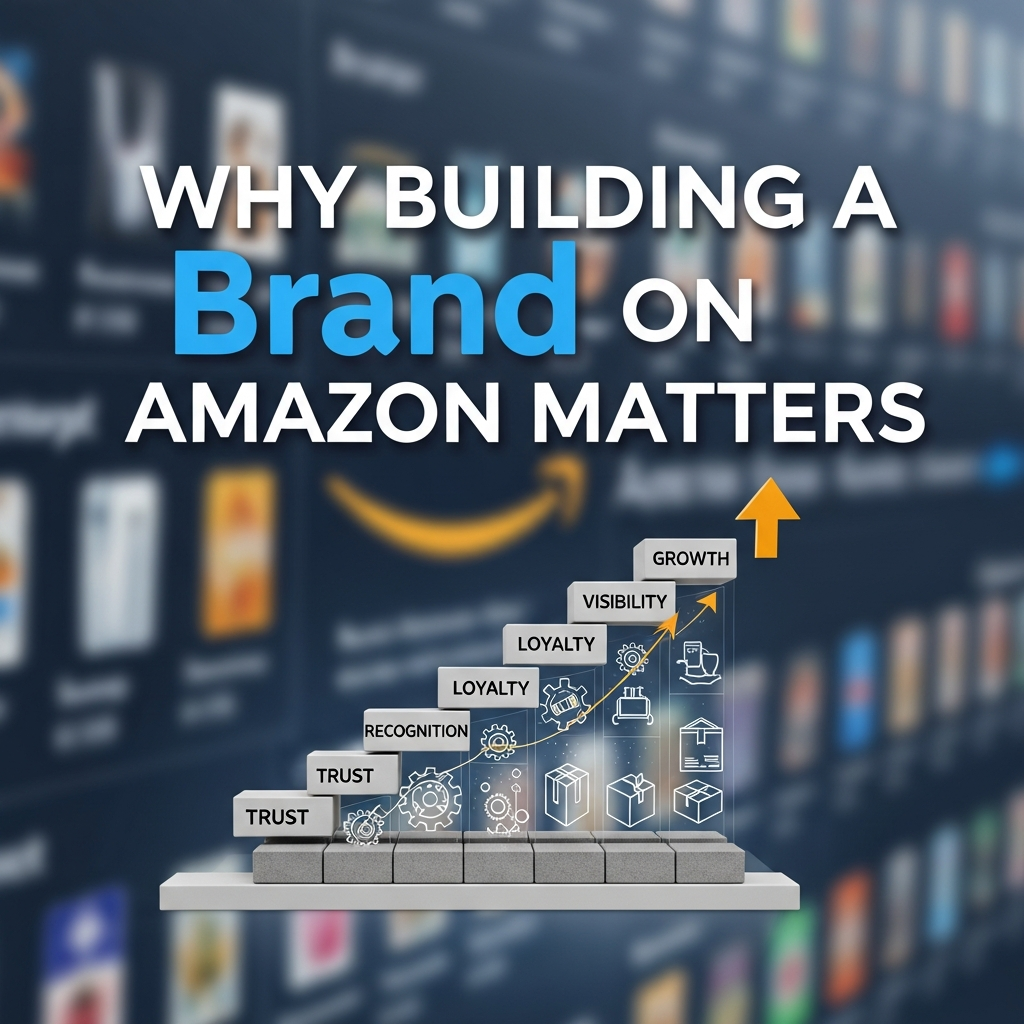
1. Amazon Is More Than a Marketplace
However amazon is not just a website where products are listed. There is a massive ecosystem with millions of active buyers who trust the platform for quality, fast shipping, and reliable service. Customers often start their product search directly on Amazon rather than on search engines.
When you build a brand on Amazon, you are positioning yourself inside a trusted marketplace. Instead of being just another seller competing on price, you become a recognizable name customers look for specifically. That shift—from product seller to brand owner—changes everything.
2. Brand Making Creates Long-Term Value
Here anyone can source a trending product and list it on Amazon. But trends fade, Competitors enter and Prices drop and even Margins shrink. A brand, however, builds long-term value. When customers remember your brand name, associate it with quality, and trust your products, they return for repeat purchases. This reduces your dependence on paid ads and constant product hunting.
In simple terms:
- A product generates sales.
- A brand generates loyalty.
- Loyalty generates consistent revenue.
3. Differentiation in a Highly Competitive Marketplace
Moreover Amazon is simply crowded. In almost every category, thousands of sellers offer similar products. Without branding, you compete mainly on price. And price wars are dangerous.
Strong branding helps you stand out through:
- Unique packaging
- Compelling storytelling
- High-quality product images
- Clear value proposition
- Consistent messaging
When customers connect with your story and positioning, they are less likely to compare you solely based on price. That means better margins and stronger market positioning.
4. Higher Perceived Value and Better Profit Margins
While Customers are willing to pay more for brands they trust. Think about it: when buyers see a well-designed listing with professional images, detailed descriptions, and consistent branding, they perceive the product as premium.
Branding increases perceived value, which allows you to:
- Charge higher prices
- Increase profit margins
- Reduce dependency on discounting
- Improve advertising efficiency
Without branding, you are forced to compete as a commodity. With branding, you compete on value.
5. Access to Amazon Brand Registry
When you build a brand properly and register your trademark, you gain access to Amazon’s Brand Registry. This unlocks powerful tools such as:
- Enhanced A+ Content
- Sponsored Brand ads
- Brand analytics
- Better protection against counterfeiters
- Control over product listings
These tools are designed to help serious brand owners grow and protect their businesses. Sellers without branding miss out on these strategic advantages.
6. Increased Customer Trust and Credibility
Trust drives online sales. When customers see consistent branding across your listings, packaging, and communication, they feel confident in their purchase. Reviews also become more meaningful when attached to a recognizable brand rather than a random seller name. Over time, your brand becomes associated with:
- Quality
- Reliability
- Good customer service
- Positive experiences
This trust reduces buying hesitation and increases conversion rates.
7. Repeat Customers and Brand Loyalty
One of the biggest benefits of making a brand on Amazon is repeat business. If you sell generic products without branding, customers may buy once and never return. But if they remember your brand and have a positive experience, they are more likely to search for your brand name next time.
Repeat customers:
- Cost less to acquire
- Convert faster
- Spend more over time
- Leave better reviews
Brand loyalty is what turns a small Amazon store into a scalable business.
8. Easier Product Expansion
When you operate as a brand, launching new products becomes easier. If customers already trust your brand in one category, they are more open to trying other related products you introduce. This creates opportunities for:
- Product line expansion
- Bundling strategies
- Cross-selling
- Upselling
Instead of starting from zero with every new product, you build on existing trust and recognition.
9. Reduced Dependence on Paid Advertising
Many new sellers rely heavily on Amazon ads to generate sales. While advertising is important, it can become expensive if your brand has no recognition. Strong branding improves:
- Click-through rates
- Conversion rates
- Organic rankings
As your brand gains visibility and reviews, organic traffic increases. Over time, you spend less to generate the same—or higher—sales. That’s the power of brand equity.
10. Building an Asset You Can Sell
Here’s something many sellers overlook: a branded Amazon business is an asset. Businesses with:
- Strong branding
- Consistent revenue
- Loyal customer base
- Protected intellectual property
are far more valuable than generic product stores.
If you ever decide to exit, branded businesses typically command higher valuations. For Investors and buyers who are are interested in brands—not random product listings.
11. Protection Against Market Changes
Even Amazon policies change, Trends shift and Competition increases. A strong brand gives you stability. When customers search for your brand directly, you are less vulnerable to algorithm changes and aggressive competitors. Brand recognition acts as a protective shield in uncertain markets.
12. Emotional Connection Drives Buying Decisions
Most of the people don’t just buy products. They buy stories, identities, and experiences. When you build a brand, you create:
- A mission
- A personality
- A voice
- A customer promise
This emotional connection influences purchasing decisions far more than features alone.
Customers who feel aligned with your brand values are more likely to stay loyal, even if cheaper alternatives exist. Selling Products Makes Money. Building a Brand Creates Wealth. Selling on Amazon can generate quick income. But building a brand on Amazon creates long-term success. Branding helps you:
- Stand out in competitive markets
- Increase profit margins
- Build customer trust
- Generate repeat sales
- Scale more easily
- Create a valuable business asset
If you want sustainable growth instead of temporary wins, focus on branding from day one. Because on Amazon, the real winners are not just sellers—they are brand builders.
The Rise of E-commerce and Marketplace Dominance
Over the past decade, e-commerce has transformed the way people shop. Consumers now-a-days prefer convenience, fast delivery, competitive pricing, and access to thousands of options at their fingertips. Most Online marketplaces have become the go-to destination for product searches, often replacing traditional search engines and physical stores.
Marketplaces dominate because they offer trust, logistics, and variety in one place. Instead of visiting multiple websites, customers can compare products, read reviews, and complete purchases within minutes. This shift has created massive opportunities for entrepreneurs and businesses to reach global audiences without investing in physical infrastructure.
Incase of sellers, this rise means one important thing: the opportunity is bigger than ever—but so is the competition. To thrive in a marketplace-driven economy, businesses must think beyond simple transactions and focus on long-term positioning.
Why Amazon Is the Ultimate Launchpad for Brands?
Amazon always stands as the most powerful marketplace in the world. Millions of customers visit it daily with high purchase intent. Unlike social media platforms where users scroll casually, Amazon shoppers are ready to buy.
What makes Amazon the ultimate launch pad for brands?
- Massive built-in traffic
- Established customer trust
- Advanced fulfillment network (FBA)
- Data-driven advertising tools
- Global expansion opportunities
For every product you buy on Amazon handles logistics, payments, and customer service infrastructure, allowing entrepreneurs to focus on product. Quality and branding as well with tools like Brand Registry, A+ Content, and Sponsored Brand ads, sellers can create a professional brand presence within the platform.
For startups and small businesses, Amazon reduces entry barriers while offering access to a global market. It provides the scale of a large retail chain without requiring physical stores.
The Difference Between Selling Products and Building a Brand
Many sellers start by listing products and hoping for sales. While this approach may generate short-term revenue, it rarely creates long-term stability.
Selling products means:
- Competing primarily on price
- Following trends
- Focusing on short-term profits
- Having little customer loyalty
Building a brand means:
- Creating a unique identity
- Establishing consistent messaging
- Delivering a memorable customer experience
- Building trust and emotional connection
A product can be copied. A brand cannot. While you build a brand, customers search for your name—not just the product category. They associate your brand with quality and reliability. This reduces price sensitivity and increases repeat purchases. In simple terms, product sellers chase sales. Brand builders create demand.
Overview of What It Takes to Succeed on Amazon
Success on Amazon is not accidental. It requires strategy, consistency, and long-term thinking. Building a successful brand on Amazon involves several key elements:
- Market Research – Identifying profitable niches with strong demand and manageable competition.
- Product Differentiation – Offering unique features, better quality, or improved packaging.
- Strong Branding – Creating a compelling brand identity and value proposition.
- Optimized Listings – Using SEO, persuasive copy, and high-quality images to increase conversions.
- Advertising Strategy – Leveraging Amazon PPC and external traffic effectively.
- Customer Experience – Ensuring quality, fast delivery, and responsive support.
- Continuous Optimization – Analyzing data and improving performance regularly.
Amazon rewards sellers who think long term. It favors strong performance metrics, positive reviews, and customer satisfaction. Sellers who focus on building trust and delivering value consistently are the ones who stand out. Ultimately, succeeding on Amazon is about shifting your mindset—from making quick sales to building a sustainable, recognizable brand.
Understanding the Amazon Ecosystem
In today’s digital economy, few platforms have transformed global commerce like Amazon. What started as an online bookstore has evolved into a powerful ecosystem that connects buyers, sellers, brands, advertisers, content creators, and technology providers under one massive digital umbrella.
For entrepreneurs, especially those looking to build a long-term brand (rather than just sell products), understanding the Amazon ecosystem is not optional — it’s essential.
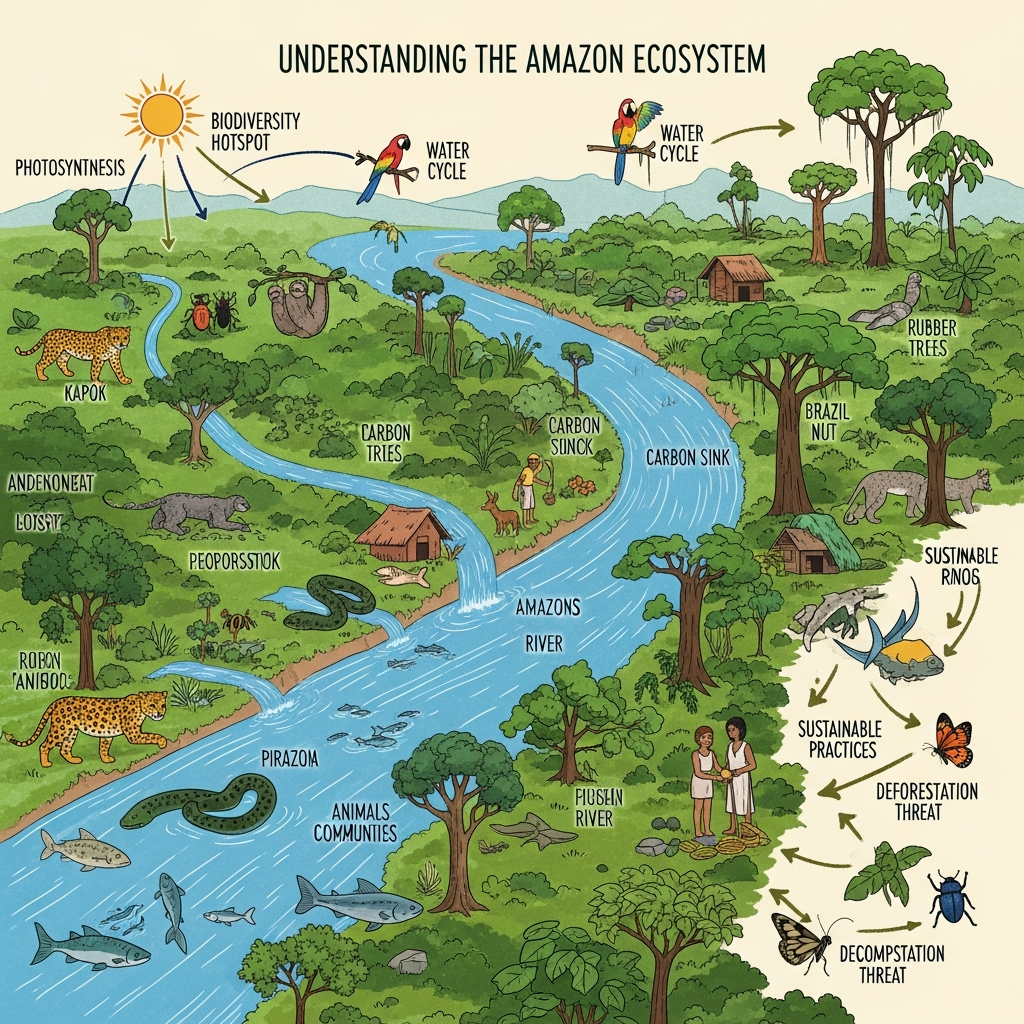
1. What Is the Amazon Ecosystem?
The Amazon ecosystem refers to the interconnected network of services, tools, platforms, and programs operated by Amazon. These services are designed to support:
- Sellers
- Brands
- Customers
- Advertisers
- Developers
- Content creators
Each part of the ecosystem works together. Creating a seamless experience that keeps customers engaged and businesses growing.
2. Core Components of the Amazon Ecosystem
Amazon Marketplace
The Marketplace is where third-party sellers list and sell their products. Today, more than half of all products sold on Amazon come from independent sellers. There are two primary selling models:
- FBM (Fulfilled by Merchant) – You handle storage and shipping.
- FBA (Fulfilled by Amazon) – Amazon stores, packs, and ships your products.
FBA is a major advantage because it provides access to Prime customers and Amazon’s trusted logistics network.
Fulfillment & Logistics Network
Amazon’s global fulfillment centers and delivery infrastructure form the backbone of the ecosystem.
With FBA, sellers benefit from:
- Fast Prime shipping
- Customer service handling
- Returns management
- Global distribution
This logistics power gives even small businesses the ability to compete with large retailers.
Amazon Prime
Amazon Prime is more than just fast shipping. It includes:
- Prime Video
- Prime Music
- Exclusive deals
- Early access to sales
Prime strengthens customer loyalty, increasing purchase frequency and average order value — which benefits sellers.
Amazon Advertising
Amazon isn’t just a marketplace; it’s also a powerful advertising platform. Through Amazon Ads, sellers and brands can run:
- Sponsored Products
- Sponsored Brands
- Sponsored Display ads
Because Amazon customers are already in buying mode, advertising conversion rates are typically higher compared to social media platforms.
Brand Registry & Brand Tools
For brand owners, Amazon offers Brand Registry, which provides:
- Protection against counterfeit products
- Control over product listings
- Access to A+ Content
- Brand Analytics
- Amazon Stores (custom brand storefronts)
This is where the shift happens — from selling products to building a recognizable brand. If you’re writing about brand building (like your recent Amazon-focused content), this is the heart of long-term success.
Amazon Web Services (AWS)
While many sellers focus only on the marketplace, it’s important to recognize that Amazon Web Services powers a huge part of the internet. AWS provides:
- Cloud storage
- Data processing
- AI and machine learning tools
- Enterprise infrastructure
Interestingly, AWS generates a significant portion of Amazon’s profit, enabling continued investment into marketplace innovation.
Amazon Devices & Content
Amazon extends its ecosystem through devices and content platforms like:
- Kindle
- Echo (Alexa-enabled)
- Prime Video
- Audible
These devices integrate customers deeper into Amazon’s environment, increasing retention and lifetime value.
How the Ecosystem Benefits Sellers
Understanding the ecosystem helps you leverage it strategically.
1. Built-In Traffic
Amazon already has millions of daily visitors.
2. Trust & Credibility
Customers trust Amazon’s brand, making them more comfortable purchasing from new sellers.
3. Data & Analytics
Brand Analytics provides insights into:
- Search terms
- Customer behavior
- Competitor performance
4. Scalability
You can start small and scale globally using FBA and international marketplaces.
The Difference Between Selling and Building Within the Ecosystem
Many sellers make the mistake of focusing only on product listings. But successful brands:
- Invest in strong branding
- Use A+ Content
- Build external traffic
- Leverage advertising strategically
- Collect and analyze data
The ecosystem rewards those who think long term.
If your goal is to build a sustainable Amazon brand (not just chase quick profits), you must understand how each part of the ecosystem connects and supports growth.
5. Challenges of the Amazon Ecosystem
While powerful, the ecosystem is competitive. Challenges include:
- Intense price competition
- Advertising costs rising
- Policy changes
- Account suspensions
This is why education, compliance, and strategy are crucial.
6. Future of the Amazon Ecosystem
Amazon continues to expand through:
- AI-driven personalization
- Voice commerce (Alexa)
- Global marketplace expansion
- Faster delivery innovations
The ecosystem is becoming smarter, more automated, and more customer-centric.
Although, The Amazon ecosystem is not just a marketplace — it’s a complete commerce infrastructure. From logistics and advertising to cloud computing and devices, every component strengthens the platform’s dominance. For entrepreneurs and brand builders, the opportunity is massive — but only if you understand how the pieces fit together. Master the ecosystem, and you don’t just sell on Amazon. You build within Amazon.
How Amazon’s Marketplace Works?
Amazon Marketplace is a platform where third-party sellers can list and sell their products alongside Amazon’s own retail offerings. Instead of owning all inventory, Amazon allows independent businesses to access its massive customer base.
Here’s how it works:
- Seller Registration – Businesses create an account and choose a selling plan.
- Product Listing – Sellers add products to existing listings or create new ones.
- Buy Box Competition – Multiple sellers can offer the same product. The seller who wins the Buy Box gets the majority of sales.
- Order Fulfillment – Orders are fulfilled either by Amazon (FBA) or the seller (FBM).
- Customer Service & Returns – Managed by Amazon (FBA) or the seller (FBM).
The marketplace operates on performance metrics such as:
- Order Defect Rate (ODR)
- Late shipment rate
- Customer feedback score
- Pricing competitiveness
Success depends on visibility, competitive pricing, optimized listings, and strong performance metrics.
Seller Central vs Vendor Central
Amazon offers two main ways to sell products: Seller Central and Vendor Central.
1. Seller Central (3P Model)
Seller Central is for third-party sellers who sell directly to customers. Key Features:
- You control pricing.
- You manage inventory.
- You can use FBA or FBM.
- You pay referral and fulfillment fees.
This model offers more control and higher profit margins, making it ideal for brand owners and private label sellers.
2. Vendor Central (1P Model)
Vendor Central is an invite-only platform where businesses sell wholesale to Amazon.
Key Features:
- You sell products in bulk to Amazon.
- Amazon sets the retail price.
- Amazon handles marketing and fulfillment.
- Lower control over margins and branding.
In this model, Amazon becomes the retailer, and you become the supplier.
Key Differences at a Glance
| Feature | Seller Central | Vendor Central |
| Business Model | 3P (You sell to customer) | 1P (You sell to Amazon) |
| Pricing Control | Seller controls | Amazon controls |
| Branding Control | High | Limited |
| Invitation Required | No | Yes |
For most new entrepreneurs, Seller Central is the preferred starting point.
Fulfillment by Amazon (FBA) vs Fulfillment by Merchant (FBM)
Fulfillment is a critical part of your strategy.
1. Fulfillment by Amazon (FBA)
With FBA, you send inventory to Amazon’s warehouses. Amazon handles:
- Storage
- Packing
- Shipping
- Customer service
- Returns
Benefits:
- Prime badge eligibility
- Higher Buy Box chances
- Faster shipping
- Less operational workload
Drawbacks:
- Storage fees
- Long-term storage charges
- Less direct inventory control
FBA is ideal for scaling and maximizing conversions.
2. Fulfillment by Merchant (FBM)
With FBM, you store inventory and ship directly to customers.
Benefits:
- Lower fulfillment fees
- More control over inventory
- Suitable for oversized or low-margin products
Drawbacks:
- No automatic Prime badge (unless enrolled in Seller Fulfilled Prime)
- More operational work
- Slower shipping can impact rankings
Which One Should You Choose?
- Choose FBA if you want automation and Prime benefits.
- Choose FBM if you want cost control and operational flexibility.
- Many advanced sellers use a hybrid model.
Amazon’s Algorithm (A9) Explained
Amazon’s search algorithm, commonly known as A9, determines which products appear in search results and in what order. Unlike Google, Amazon’s goal is not to provide information — it is to maximize sales.
How A9 Works
The algorithm ranks products based on two main pillars:
1. Relevance
- Keywords in title
- Bullet points
- Product description
- Backend search terms
- Category selection
If your listing does not match the search query, it won’t rank.
2. Performance
Performance factors include:
- Conversion rate
- Sales velocity
- Click-through rate (CTR)
- Pricing competitiveness
- Customer reviews and ratings
- Inventory availability
The more a product sells consistently, the higher it tends to rank.
How to Optimize for A9
- Conduct keyword research.
- Optimize title and bullet points naturally.
- Use high-quality images.
- Drive external traffic.
- Maintain strong reviews and ratings.
- Keep inventory in stock.
Remember: Amazon rewards products that generate revenue.
Final Thoughts
Understanding how the Marketplace works, choosing between Seller Central and Vendor Central, selecting FBA or FBM, and optimizing for A9 are foundational elements of success. When you understand these systems deeply, you move from guessing to strategizing — and that’s when real growth begins on Amazon.
Identifying a Profitable and Sustainable Niche
In today’s competitive digital world, choosing the right niche can determine whether your business struggles to survive or thrives for years. Whether you’re building a brand on Amazon, launching a blog, starting a YouTube channel, or creating a product-based business, identifying a profitable and sustainable niche is the foundation of long-term success.
Let’s break down how to find a niche that not only makes money—but also stands the test of time.

1. What Is a Niche?
A niche is a specific segment of a larger market that focuses on a defined audience with particular needs or interests.
For example:
- “Fitness” is a broad market.
- “Home workouts for busy working mothers” is a niche.
- “Eco-friendly yoga mats for beginners” is an even more targeted niche.
The more specific your niche, the easier it is to:
- Target the right audience
- Build authority
- Reduce competition
- Create loyal customers
2. Why Choosing the Right Niche Matters
Choosing the wrong niche can lead to:
- Low demand
- High competition
- Poor profit margins
- Burnout
Choosing the right niche leads to:
- Consistent sales
- Strong brand positioning
- Higher pricing power
- Long-term growth
If you’re building a brand on platforms like Amazon, this becomes even more critical because competition is intense and visibility depends on clear positioning.
3. Characteristics of a Profitable Niche
A profitable niche typically has:
A. Strong Demand
People are actively searching for solutions. You can validate demand using:
- Search volume tools
- Marketplace trends
- Social media discussions
- Customer reviews
B. Clear Pain Points
Profitable niches solve real problems. The stronger the pain point, the easier it is to sell.
Examples:
- Weight loss struggles
- Time management challenges
- Skin problems
- Financial planning confusion
When people urgently want a solution, they’re willing to pay.
C. Spending Power
Make sure your target audience has the ability and willingness to spend money. Passion alone doesn’t guarantee profit.
D. Room for Differentiation
If the market is crowded, you need a unique angle:
- Better quality
- Premium branding
- Superior customer service
- Unique features
- Better packaging
4. Characteristics of a Sustainable Niche
Profitability is important—but sustainability ensures long-term success. A sustainable niche has:
A. Long-Term Relevance
Avoid short-lived trends unless you’re planning a quick entry-and-exit strategy.
For example:
- Seasonal fads = risky
- Health, education, personal finance = evergreen
B. Growing or Stable Demand
Look for industries that are expanding over time rather than shrinking.
C. Repeat Purchase Potential
Niches with recurring needs create stable income:
- Supplements
- Skincare
- Baby products
- Pet supplies
D. Expansion Opportunities
A strong niche allows product line extensions.
Example: If you start with “organic baby skincare,” you can expand into:
- Baby lotions
- Baby shampoos
- Diaper creams
- Gift sets
5. Step-by-Step Process to Identify Your Niche
Step 1: List Your Interests and Expertise
Start with areas you understand. Passion helps you stay consistent during challenges.
Step 2: Validate Market Demand
Check:
- Online marketplaces
- Search trends
- Competitor sales
- Customer reviews
If customers are complaining in reviews, that’s opportunity.
Step 3: Analyze Competition
Ask:
- Are top brands dominating heavily?
- Can you improve something?
- Is there an underserved audience segment?
Healthy competition means demand exists. Zero competition can mean no demand.
Step 4: Check Profit Margins
Consider:
- Manufacturing cost
- Shipping cost
- Platform fees
- Advertising costs
If margins are too thin, scaling becomes difficult.
Step 5: Test Before Going All-In
Start small:
- Launch a minimum viable product
- Test ads
- Collect feedback
- Optimize before scaling
6. Common Mistakes to Avoid
- Choosing a niche only because it’s trending
- Ignoring competition research
- Entering overcrowded markets without differentiation
- Targeting too broad an audience
- Not calculating real costs
7. Examples of Profitable and Sustainable Niches
Here are some examples that combine demand and longevity:
- Personal finance education
- Fitness for specific demographics
- Eco-friendly household products
- Pet care products
- Home organization solutions
- Digital skill learning
The key is narrowing them down further for better positioning. By identifying a profitable and sustainable niche is not about guessing—it’s about research, validation, and strategic thinking. The best niche sits at the intersection of:
- Market demand
- Profit potential
- Long-term growth
- Your interest or expertise
When you choose the right niche, marketing becomes easier, branding becomes stronger, and scaling becomes realistic. Take time to research. Test intelligently. Think long-term. Because the right niche isn’t just a starting point—it’s the foundation of your entire business success.
Conducting Market Research the Smart Way
Most importantly market research is not about guessing what might sell — it’s about making data-driven decisions. Smart research helps you understand what customers want, what problems they face, and how much they are willing to pay for solutions.
Start by identifying customer pain points. Look at:
- Customer reviews on marketplaces
- Questions people ask on forums
- Social media comments
- Product complaints
Negative reviews are gold. They reveal gaps in existing products and show exactly where improvement is needed. Next, study buying behavior:
- Are customers making repeat purchases?
- Are they comparing multiple brands?
- Do they care more about price or quality?
Use best keyword research tools to measure search demand. If people are consistently searching for a product-related term, it signals market interest. Smart market research is about patterns — not opinions.
Analyzing Competition and Demand
Competition is not something to fear. In fact, competition validates demand. If multiple sellers are active in a category, it usually means customers are buying.
However, you must evaluate:
1. Demand Level
- Search volume trends
- Sales rankings on marketplaces
- Product review counts
High search volume + consistent sales = strong demand.
2. Competition Strength
- Are top sellers dominated by big brands?
- Do competitors have thousands of reviews?
- Is pricing extremely aggressive?
Look for weaknesses in competitors:
- Poor product images
- Weak branding
- Generic listings
- Negative feedback
If you can clearly improve product quality, branding, or customer experience, the niche may still be worth entering. The goal is to find high demand with manageable competition.
Evaluating Product Profit Margins
Revenue is not profit. Many beginners enter niches without properly calculating margins and struggle later. To evaluate margins, calculate:
- Manufacturing cost
- Packaging cost
- Shipping cost
- Storage fees
- Platform commissions
- Advertising costs
- Returns and refunds
After subtracting all costs, ensure you still have a healthy profit margin.
A general rule: Aim for at least 25–35% net margin to allow room for advertising, scaling, and unexpected expenses. Also consider:
- Can you increase perceived value through branding?
- Can you bundle products to increase average order value?
Strong margins give you the flexibility to grow.
Avoiding Oversaturated Categories
Some niches look attractive because they show high sales volume — but they may be overcrowded. Signs of oversaturation include:
- Hundreds of nearly identical listings
- Price wars
- Extremely low margins
- Heavy advertising competition
If most products look the same and compete mainly on price, differentiation becomes difficult. Instead of entering broad categories, narrow down: Instead of:
- “Fitness equipment”
Try:
- “Compact resistance bands for home workouts in small apartments”
Micro-niches reduce competition and help you target a specific audience with focused messaging.
Remember: It’s easier to dominate a small niche than compete in a massive one.
Leveraging Trends Without Being Trend-Dependent
Trends can generate quick sales — but relying entirely on them is risky.
For example:
- Viral products may spike quickly
- Seasonal demand may drop sharply
- Social media hype may fade
Instead, use trends strategically:
- Identify long-term shifts (e.g., eco-conscious living, remote work, health awareness).
- Enter niches aligned with lasting behavior changes.
- Avoid one-product dependency.
For example:
If “home fitness” becomes trending, don’t just sell one trending item. Build a brand around home fitness solutions so you can expand later.
Sustainable businesses combine:
- Evergreen demand
- Trend awareness
- Long-term brand positioning
Final Thoughts
Identifying a profitable and sustainable niche requires balance:
- Smart research
- Real demand validation
- Competitive awareness
- Healthy margins
- Long-term thinking
When you approach niche selection strategically rather than emotionally, you significantly increase your chances of building a scalable and lasting business. Choose wisely. Research deeply. Build sustainably.
Defining Your Brand Identity
In today’s crowded marketplace, having a great product or service isn’t enough. What truly sets you apart is your brand identity—the personality, voice, and visual presence that make your business instantly recognizable and emotionally compelling.
But what exactly is brand identity, and how do you define it? Let’s break it down.
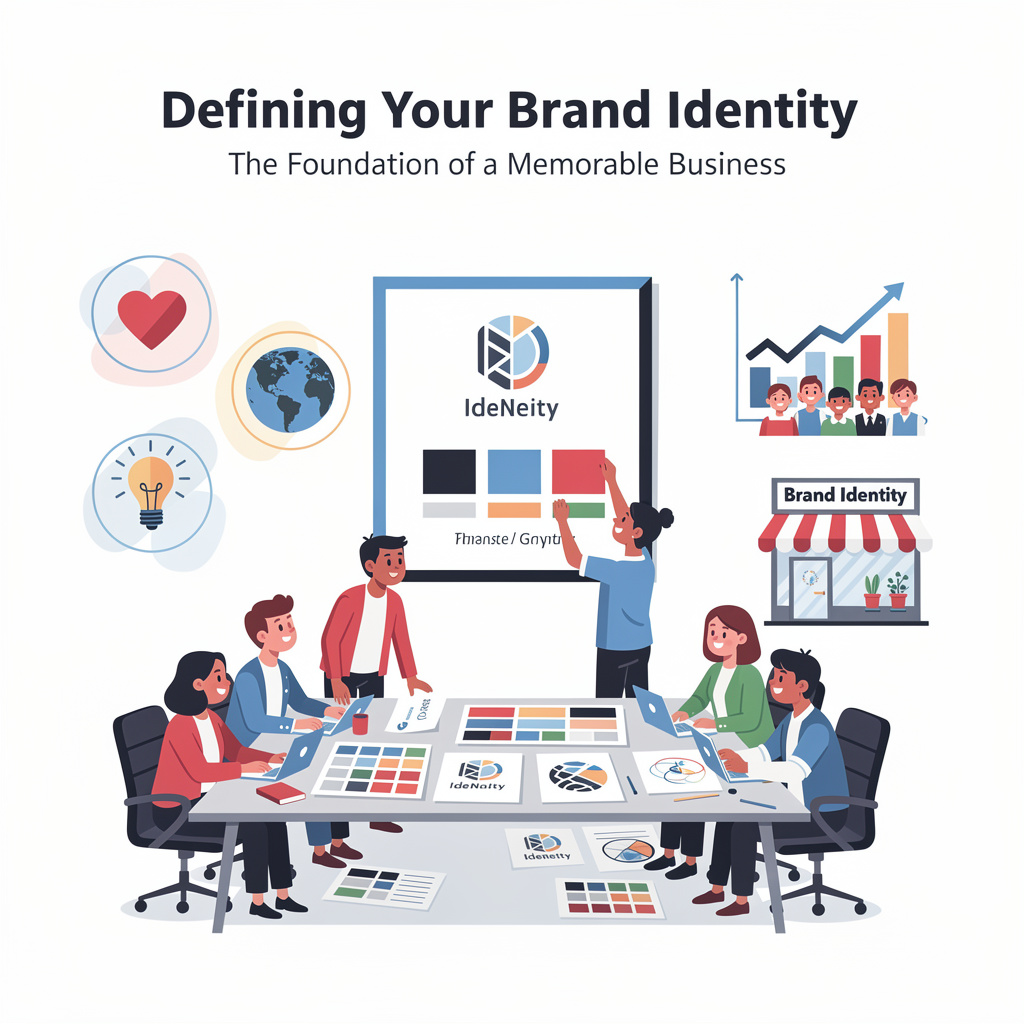
What Is Brand Identity?
Brand identity is the collection of visual elements, messaging, values, and personality traits that shape how your brand is perceived. It either includes your logo, colors, typography, tone of voice, mission, and the emotional experience you deliver to your audience. It’s not just what you say about your brand—it’s what people feel when they interact with it.
Think about brands like Apple Inc., Nike, Inc., or Coca-Cola. Each has a distinct identity that influences everything from packaging to advertising to customer experience.
Why Brand Identity Matters
A strong brand identity:
- Builds trust and credibility
- Creates emotional connections
- Differentiates you from competitors
- Increases customer loyalty
- Supports consistent marketing efforts
Without a clear identity, your brand risks appearing inconsistent, forgettable, or generic.
The Core Elements of Brand Identity
Start with why you exist. What problem are you solving? What impact do you want to make?
1. Brand Purpose and Mission
Your mission defines your direction. Your purpose fuels your passion. Ask yourself:
- Why did I start this business?
- Who am I helping?
- What change do I want to create?
2. Brand Values
Your values shape your decisions and behavior. They influence company culture, partnerships, and communication.
Examples of brand values:
- Innovation
- Transparency
- Sustainability
- Community
- Excellence
When your values align with your audience’s beliefs, deeper loyalty develops.
3. Target Audience
You can’t speak to everyone—and you shouldn’t try.
Define:
- Demographics (age, location, income)
- Psychographics (beliefs, interests, lifestyle)
- Pain points and motivations
A clear understanding of your audience helps tailor your messaging and visuals effectively.
4. Brand Personality
If your brand were a person, who would it be?
Would it be bold and adventurous? Calm and trustworthy? Playful and energetic?
For example:
- Nike, Inc. feels motivational and determined.
- Apple Inc. feels sleek and innovative.
- Coca-Cola feels joyful and nostalgic.
Defining your personality helps shape your tone of voice and visual style.
5. Visual Identity
This is the most recognizable part of your brand. It includes:
- Logo
- Color palette
- Typography
- Imagery style
- Graphic elements
Your visuals should reflect your personality and appeal to your target audience. Consistency across platforms—website, social media, packaging—is essential.
6. Brand Voice and Messaging
Your voice is how you communicate. It should be consistent across:
- Website copy
- Social media posts
- Emails
- Advertisements
- Customer service responses
Are you formal or conversational? Inspirational or educational? Witty or serious? A defined voice strengthens recognition and builds familiarity.
Steps to Define Your Brand Identity
Step 1: Conduct Market Research
Study competitors and identify gaps in the market. What are they doing well? Where can you stand out?
Step 2: Clarify Your Vision
Write a clear mission statement and outline long-term goals.
Step 3: Create a Brand Style Guide
Document your logo usage, colors, fonts, tone of voice, and messaging guidelines. This ensures consistency as your business grows.
Step 4: Test and Refine
Gather feedback from customers and adjust where needed. Brand identity evolves—but its core should remain steady.
Common Mistakes to Avoid
- Trying to appeal to everyone
- Changing visual identity too often
- Copying competitors
- Inconsistent messaging
- Ignoring customer perception
Your brand identity should be authentic, strategic, and sustainable.
Final Thoughts
By simply defining your brand identity isn’t just a design exercise—it’s a strategic foundation for your entire business. When your purpose, personality, visuals, and voice align, you create a brand that’s not only recognizable but also meaningful. Better take the time to define it clearly. Because in a world full of options, clarity is what makes you unforgettable.
Crafting a Memorable Brand Name
Your brand name is often the first impression you make—and first impressions matter. A strong brand name should be memorable, meaningful, and easy to pronounce. It should reflect your brand’s personality while remaining flexible enough to grow with your business.
Key Characteristics of a Great Brand Name:
- Simple and easy to spell
- Distinctive and unique
- Relevant to your industry or mission
- Scalable for future expansion
- Legally available (domain and trademark)
For example, Google is short, playful, and highly memorable. Amazon only suggests vastness and scale, aligning perfectly with its expansive marketplace vision.
Tips for Naming Your Brand:
- Brainstorm words related to your mission, values, and audience.
- Experiment with word combinations, metaphors, or invented words.
- Test pronunciation and memorability with others.
- Check domain availability and trademark databases.
- Say it out loud—does it sound confident and professional?
A well-crafted name lays the groundwork for everything that follows.
Designing a Professional Logo and Visual Identity
Making your visual identity is how your brand communicates without words. It includes your logo, color palette, typography, imagery, and design style.
A professional logo should be:
- Simple and versatile
- Recognizable at different sizes
- Timeless rather than trendy
- Aligned with your brand personality
Consider how Nike, Inc. uses the iconic swoosh—minimal yet powerful. Or how Apple Inc. relies on a clean, modern symbol that reflects innovation and simplicity.
Elements of Visual Identity:
- Color Palette: Colors evoke emotion (blue = trust, red = energy, green = growth).
- Typography: Fonts communicate tone (serif = traditional, sans-serif = modern).
- Imagery Style: Photography or graphics should match your brand’s mood.
- Consistency: Maintain uniform visuals across website, packaging, and social media.
Creating a brand style guide ensures that your visuals remain consistent and professional as your business grows.
Creating a Unique Value Proposition (UVP)
Your Unique Value Proposition (UVP) answers one critical question:
Why should customers choose you over competitors?
A strong UVP clearly communicates:
- The problem you solve
- The benefit you deliver
- What makes you different
It should be concise, specific, and customer-focused—not just a list of features.
For example, FedEx built its reputation on fast, reliable overnight shipping. Spotify emphasizes personalized music experiences and accessibility.
How to Develop Your UVP:
- Identify your target audience’s pain points.
- Analyze competitors and find gaps.
- Highlight your strongest differentiator.
- Focus on benefits, not just features.
- Keep it clear and easy to understand.
A powerful UVP becomes the core message driving your marketing strategy.
Developing Brand Voice and Messaging
Your brand voice is the personality expressed through words. It influences how you communicate across all touchpoints—website copy, social media, email campaigns, advertisements, and customer support.
Steps to Define Your Brand Voice:
- Determine your brand personality (friendly, authoritative, bold, playful, etc.).
- Identify tone variations for different contexts.
- Create messaging guidelines to ensure consistency.
For instance, Mailchimp uses a friendly and conversational tone. Tesla, Inc. often communicates with confidence and innovation-driven messaging.
Key Components of Effective Messaging:
- Clear and concise language
- Consistent tone across channels
- Emotionally engaging storytelling
- Strong calls to action
When your voice aligns with your visual identity and value proposition, your brand feels cohesive and trustworthy.
Final Thoughts
Crafting a memorable brand name, designing a professional visual identity, developing a compelling UVP, and defining a consistent brand voice are essential pillars of a strong brand identity.
When these elements work together, your brand doesn’t just look professional—it resonates, builds loyalty, and stands out in a competitive marketplace.
Building Emotional Connection with Customers
In a marketplace filled with choices, logic may attract customers—but emotion keeps them loyal. Building an emotional connection with your audience transforms one-time buyers into long-term advocates. When customers feel understood, valued, and inspired by your brand, they are far more likely to trust and support it.
Emotional branding is not about manipulation; it’s about authenticity, empathy, and shared values.
Why Emotional Connection Matters
Customers don’t just buy products or services—they buy experiences, stories, and feelings. Strong emotional connections:
- Increase customer loyalty
- Encourage word-of-mouth referrals
- Strengthen brand trust
- Differentiate you from competitors
- Create lasting brand advocacy
Consider how Coca-Cola focuses on happiness and togetherness in its campaigns, or how Nike, Inc. inspires determination and achievement through powerful storytelling. These brands sell emotion as much as they sell products.
Strategies to Build Emotional Connection
1. Understand Your Audience Deeply
Empathy is the foundation of emotional branding. Go beyond demographics and explore:
- Their challenges and frustrations
- Their dreams and aspirations
- Their values and beliefs
- Their lifestyle and identity
When customers feel seen and understood, connection naturally follows.
2. Tell Meaningful Stories
Storytelling humanizes your brand. Share:
- Your origin story
- Customer success stories
- Behind-the-scenes moments
- Challenges you’ve overcome
Stories create relatability. They allow customers to see themselves reflected in your journey.
3. Align With Shared Values
Modern consumers support brands that align with their beliefs—whether that’s sustainability, inclusivity, innovation, or social responsibility.
For example, Patagonia has built deep loyalty through its environmental advocacy. Customers don’t just buy jackets—they support a mission.
4. Deliver Consistent Experiences
Emotion is reinforced through consistency. Every interaction—your website, social media, packaging, customer service—should reflect your brand’s values and personality.
A mismatch between message and experience weakens trust. Consistency strengthens it.
5. Personalize the Customer Journey
Personalization makes customers feel valued rather than processed. This can include:
- Customized email communication
- Tailored product recommendations
- Personalized thank-you messages
- Loyalty rewards
Brands like Spotify excel at personalization by curating playlists that reflect individual tastes, making users feel uniquely understood.
6. Show Authenticity and Transparency
Customers connect with real brands—not perfect ones. Be open about your processes, admit mistakes, and communicate honestly.
Authenticity builds credibility, and credibility builds emotional trust.
Turning Customers Into Brand Advocates
When emotional connection is strong, customers don’t just return—they promote your brand voluntarily. They leave positive reviews, recommend you to others, and defend your brand in conversations. This level of loyalty cannot be bought with discounts alone. It is earned through consistent emotional engagement.
Final Thoughts
Building an emotional connection with customers is about creating meaningful relationships, not just transactions. When your brand stands for something bigger than its products—and consistently demonstrates care, empathy, and authenticity—you build trust that lasts.
In the end, people may forget what you sold them, but they will always remember how your brand made them feel.
Product Development and Sourcing Strategy
A successful business doesn’t just sell products—it delivers value through thoughtful design, quality production, and reliable sourcing. A strong product development and sourcing strategy ensures your offerings meet customer needs while maintaining profitability, consistency, and scalability.
Let’s explore how to build a strategy that supports long-term growth.

1. Understanding Market Needs
Every successful product begins with research. Before developing or sourcing anything, you must clearly understand:
- Customer pain points
- Market gaps
- Competitor offerings
- Pricing expectations
- Industry trends
Companies like Apple Inc. consistently research consumer behavior to refine their products and anticipate demand. The goal is not just to create something new—but to create something needed.
Key actions:
- Conduct surveys and interviews
- Analyze customer reviews of competitors
- Monitor industry trends
- Test ideas with focus groups
Data-driven decisions reduce risk and increase product-market fit.
2. Product Development Strategy
Product development refers to the process of turning an idea into a market-ready product. A structured approach typically includes:
A. Ideation
Brainstorm ideas aligned with your brand identity and target audience.
B. Concept Validation
Test demand through:
- Minimum Viable Products (MVPs)
- Pre-orders
- Pilot launches
C. Design and Prototyping
Develop samples and refine functionality, design, and user experience.
D. Testing and Feedback
Collect real user feedback and make improvements before full production. For example, Tesla, Inc. continuously improves its vehicles through software updates and customer data, showing that product development is ongoing—not a one-time event.
3. Choosing the Right Sourcing Model
Sourcing strategy determines how and where your products are manufactured or acquired. Your model impacts cost, quality, speed, and brand perception.
Common Sourcing Options:
A. Domestic Manufacturing
- Higher quality control
- Faster communication
- Often higher costs
B. Overseas Manufacturing
- Lower production costs
- Access to specialized expertise
- Longer shipping times and potential supply chain risks
C. Dropshipping
- Low startup costs
- No inventory management
- Limited control over quality and delivery
D. Private Labeling
- Sell pre-manufactured goods under your brand
- Faster to launch
- Moderate customization options
Companies like IKEA strategically source globally to balance cost efficiency with design standards.
4. Supplier Selection and Relationship Management
Your suppliers are strategic partners, not just vendors.
When evaluating suppliers, consider:
- Production capacity
- Quality standards
- Certifications and compliance
- Communication responsiveness
- Ethical and sustainability practices
- Financial stability
Building long-term partnerships improves reliability and negotiation power. Clear contracts, quality control systems, and regular performance reviews are essential.
5. Quality Control and Risk Management
Poor product quality can damage brand reputation instantly. Implement:
- Product inspections
- Sample testing
- Third-party audits
- Clear quality benchmarks
Risk management is equally important. Diversifying suppliers and maintaining safety stock can protect you from disruptions caused by shipping delays, political issues, or global events. The supply chain disruptions experienced by companies like Nike, Inc. during global crises highlight the importance of contingency planning.
6. Cost Structure and Pricing Alignment
Your sourcing strategy directly affects your pricing model. Calculate:
- Production costs
- Shipping and logistics
- Customs duties and taxes
- Warehousing
- Marketing expenses
- Profit margins
Your goal is to balance competitive pricing with sustainable profitability.
7. Scalability and Long-Term Growth
As demand grows, your sourcing strategy must scale with you. Consider:
- Can your supplier increase production?
- Do you have backup suppliers?
- Is your logistics network adaptable?
A scalable system prevents bottlenecks and protects customer satisfaction.
8. Sustainability and Ethical Considerations
Modern consumers increasingly care about how products are made. Transparent sourcing and ethical labor practices can become part of your brand identity. Brands such as Patagonia have built strong reputations through sustainable sourcing and environmental responsibility. Sustainability is no longer optional—it’s a competitive advantage.
Final Thoughts
Product development and sourcing strategy form the operational backbone of your business. A strong strategy ensures that what you promise through your brand identity is consistently delivered through your products.
By combining market research, thoughtful design, reliable suppliers, quality control, and scalability planning, you create a system that supports growth, protects your reputation, and maximizes long-term profitability. Great brands aren’t built by chance—they’re built through strategic execution from idea to delivery.
Finding Reliable Suppliers
Reliable suppliers are the backbone of a stable and scalable business. The right supplier ensures consistent quality, timely delivery, and smooth communication—all of which directly impact customer satisfaction.
Where to Find Suppliers:
- Online B2B marketplaces
- Trade shows and industry expos
- Referrals from industry networks
- Manufacturer directories
- Direct outreach to factories
Companies like Alibaba Group have made global supplier discovery more accessible, while brands such as IKEA build long-term partnerships with manufacturers to maintain quality and cost control.
How to Evaluate Suppliers:
- Request product samples
- Verify certifications and compliance documents
- Check production capacity
- Assess communication responsiveness
- Review minimum order quantities (MOQs)
- Conduct factory audits if possible
Strong supplier relationships are built on transparency, clear contracts, and ongoing performance evaluation.
Private Label vs Wholesale vs Handmade
Choosing the right sourcing model affects your pricing, branding flexibility, and scalability.
1. Private Label
Private labeling means selling products manufactured by another company under your own brand name.
Pros:
- Strong brand identity
- Higher profit margins
- Custom packaging options
Cons:
- Higher minimum order quantities
- Upfront investment
Many emerging brands use private labeling to compete with major retailers like Amazon marketplace sellers.
2. Wholesale
Wholesale involves purchasing branded products in bulk and reselling them.
Pros:
- Lower risk
- Established brand trust
- Faster launch
Cons:
- Lower profit margins
- Limited brand differentiation
Retail chains often rely on wholesale strategies to maintain product variety.
3. Handmade
Handmade products are crafted individually, often by artisans or small-scale producers.
Pros:
- Unique, authentic appeal
- Strong storytelling opportunities
- High perceived value
Cons:
- Limited scalability
- Higher production time
Platforms like Etsy, Inc. thrive on the handmade model, emphasizing uniqueness and craftsmanship. Your choice should align with your brand goals, target audience, and long-term growth plans.
Ensuring Product Quality and Compliance
Quality is non-negotiable. A single defective batch can harm your reputation and lead to costly returns or legal issues.
Steps to Maintain Quality:
- Establish clear product specifications
- Conduct pre-production sample approvals
- Perform batch inspections
- Use third-party quality control services
- Implement ongoing testing
Compliance is equally important. Depending on your industry and location, you may need certifications related to:
- Safety standards
- Environmental regulations
- Import/export documentation
- Labeling requirements
Global brands like Nike, Inc. invest heavily in compliance and quality control systems to maintain global standards.
Customization and Product Differentiation
In competitive markets, differentiation is critical. Customization allows you to offer something unique that competitors cannot easily replicate.
Ways to Differentiate:
- Custom colors or materials
- Exclusive features
- Limited edition releases
- Personalized engraving or packaging
- Bundled product sets
For example, Nike, Inc. offers customization options through its Nike By You platform, enhancing customer engagement and perceived exclusivity. Differentiation strengthens brand loyalty and supports premium pricing strategies.
Packaging That Enhances Brand Perception
Packaging is more than protection—it’s a marketing tool. It shapes first impressions and influences perceived value.
Elements of Effective Packaging:
- High-quality materials
- Consistent brand colors and typography
- Clear labeling and instructions
- Sustainable packaging options
- Memorable unboxing experience
Brands like Apple Inc. are known for minimalist, premium packaging that enhances product excitement and reinforces brand quality.
Why Packaging Matters:
- Builds emotional connection
- Encourages social media sharing
- Improves perceived product value
- Strengthens brand recognition
Sustainable packaging is increasingly important, especially for environmentally conscious consumers.
Final Thoughts
Finding reliable suppliers, choosing the right sourcing model, ensuring quality and compliance, differentiating through customization, and investing in impactful packaging are all critical components of a strong product strategy.
When executed strategically, these elements not only support operational efficiency but also elevate brand perception and customer loyalty.
Registering and Protecting Your Brand
In today’s competitive marketplace, building a strong brand is only half the battle—protecting it is equally important. A brand represents your business identity, reputation, and the trust customers place in your products or services. Without proper protection, competitors or counterfeiters may misuse your brand name, logo, or designs, potentially damaging your business. Although, registering and protecting your brand ensures that you maintain exclusive rights to your identity and safeguard your hard work.

Why Brand Registration Matters?
Brand registration gives your business legal ownership of your brand name, logo, tagline, or symbol. Once registered as a trademark, it becomes your intellectual property, meaning others cannot legally use it without your permission. Key benefits of registering your brand include:
1. Legal Ownership
Registering your brand establishes you as the official owner, giving you the legal right to take action against anyone who copies or misuses your brand.
2. Protection Against Copycats
In e-commerce and competitive markets, imitation is common. A registered trademark protects your brand from counterfeit products or businesses using similar names.
3. Builds Customer Trust
A registered brand appears more professional and credible. Customers are more likely to trust brands that are legally established and protected.
4. Exclusive Rights
Trademark registration grants you exclusive rights to use your brand name or logo within your industry or category.
5. Valuable Business Asset
A registered brand can increase the value of your business. It can be licensed, franchised, or even sold as an asset in the future.
Key Elements of a Brand That Can Be Protected
Brand protection goes beyond just a business name. Several elements of your brand identity can be legally protected, including:
- Brand Name
- Logo and Design
- Tagline or Slogan
- Product Packaging
- Unique Product Designs
Protecting these elements ensures your brand identity remains unique and recognizable in the market.
Steps to Register Your Brand
Registering your brand involves a structured process. While the exact process may vary by country, the general steps remain similar.
1. Conduct a Trademark Search
Before registering, check whether another business already uses a similar brand name or logo. This prevents legal conflicts later.
2. Choose the Right Trademark Class
Products and services are categorized into different trademark classes. Selecting the correct class ensures proper protection for your business activities.
3. File a Trademark Application
Submit your trademark application with details such as:
- Brand name or logo
- Business information
- Product or service category
4. Examination by Trademark Authority
Authorities review the application to ensure it complies with trademark rules and does not conflict with existing trademarks.
5. Publication and Objection Period
The trademark is published for public review. If no objections arise, the process moves forward.
6. Trademark Registration Certificate
Once approved, you receive a registration certificate granting official rights to your brand.
Protecting Your Brand After Registration
Registration is just the beginning. Ongoing brand protection is essential to maintain your rights and prevent misuse.
1. Monitor the Market
Regularly check marketplaces, social media, and websites to ensure no one is using your brand name or logo without permission.
2. Take Legal Action When Needed
If someone infringes on your trademark, you can issue warnings or take legal action to stop the violation.
3. Register Your Brand on Marketplaces
Many online platforms offer brand protection programs that help remove counterfeit listings and protect intellectual property.
4. Renew Your Trademark
Most importantly, trademark registrations typically require renewal after a certain number of years to maintain protection.
Common Brand Protection Mistakes to Avoid
Many businesses overlook important steps in brand protection. Avoid these common mistakes:
- Launching a brand without checking trademark availability
- Not registering your brand in the correct category
- Ignoring international trademark protection if selling globally
- Failing to monitor misuse of the brand online
Addressing these issues early can prevent costly legal disputes in the future.
The Long-Term Value of Brand Protection
A protected brand gives your business a strong competitive advantage. It secures your identity, strengthens customer loyalty, and ensures that your reputation cannot be easily exploited by others. Over time, a well-protected brand becomes one of the most valuable assets of your business.
For entrepreneurs, especially those building brands in e-commerce or on large marketplaces, registering and protecting your brand is not just a legal step—it is a strategic move toward long-term success.
Registering and Protecting Your Brand
Building a successful brand requires more than creating a great product. To ensure long-term success, businesses must legally protect their brand identity and prevent others from copying or misusing it. Trademark registration, intellectual property protection, and marketplace safeguards help businesses maintain their brand reputation and customer trust. Below are the key steps and strategies for registering and protecting your brand effectively.
Trademark Registration Process
Trademark registration is the legal process that grants a business exclusive rights to use its brand name, logo, or slogan. This process helps prevent other companies from using similar marks that could confuse customers.
1. Conduct a Trademark Search
Before applying for a trademark, it is important to search existing trademark databases to confirm that your brand name or logo is unique. This helps avoid legal conflicts or application rejection.
2. Choose the Correct Trademark Class
Trademarks are categorized into different classes based on the type of products or services offered. Selecting the correct class ensures that your trademark protects the right category of goods or services.
3. File the Trademark Application
Once you confirm your brand is unique, you can submit a trademark application. The application typically includes details such as the brand name, logo, owner information, and product category.
4. Trademark Examination
After submission, the trademark authority reviews the application to ensure it complies with legal requirements and does not conflict with existing trademarks.
5. Publication and Opposition Period
If the trademark passes examination, it is published for public review. During this period, other businesses can raise objections if they believe the trademark conflicts with theirs.
6. Trademark Registration Approval
If no valid objections arise, the trademark is officially registered, and the business receives a registration certificate granting exclusive rights to use the brand.
Enrolling in Amazon Brand Registry
For businesses selling on Amazon, enrolling in Amazon Brand Registry provides additional protection and control over brand listings. Being in this program it is designed to help brand owners protect their intellectual property and improve the customer experience.
Following these benefits of Amazon Brand Registry include:
- Greater Control Over Product Listings – Brand owners can manage product titles, images, and descriptions to ensure accuracy.
- Protection Against Unauthorized Sellers – The program helps identify and remove sellers who attempt to sell counterfeit or unauthorized products.
- Advanced Search Tools – Amazon provides tools that allow brands to detect potential trademark violations quickly.
- Brand Building Tools – Registered brands gain access to features like enhanced brand content and brand storefronts.
To enroll in Amazon Brand Registry, businesses typically need an active registered trademark in the country where they sell their products.
Protecting Against Counterfeits and Hijackers
Counterfeit products and listing hijackers can damage a brand’s reputation and reduce sales. Taking proactive steps to prevent these issues is essential.
1. Monitor Online Marketplaces
Regularly check marketplaces to ensure no unauthorized sellers are using your brand name or product listings.
2. Use Brand Protection Tools
Platforms like Amazon offer tools to report suspicious listings and remove counterfeit products quickly.
3. Maintain Product Authenticity
Use unique packaging, serial numbers, or authentication labels to help customers identify genuine products.
4. Take Legal Action When Necessary
If counterfeit sellers repeatedly violate your intellectual property rights, legal action may be necessary to protect your brand.
Intellectual Property Best Practices
Protecting your intellectual property should be a continuous process rather than a one-time activity. Following best practices ensures your brand remains secure and competitive.
1. Register Your Trademark Early
Registering your brand before launching a product helps prevent future disputes and copycat brands.
2. Protect Multiple Brand Elements
Consider protecting your logo, tagline, packaging design, and product innovations in addition to your brand name.
3. Keep Records of Brand Ownership
Maintain documentation related to trademark registrations, design ownership, and brand usage.
4. Monitor Market Activity
Regular monitoring helps detect potential infringement early, allowing you to take action before problems grow.
5. Renew Trademarks on Time
Trademark registrations typically require renewal after a certain period to maintain legal protection.
Even though registering and protecting your brand is a critical step for any business that wants to grow sustainably. Trademark registration establishes legal ownership, while marketplace protections like Amazon Brand Registry help prevent counterfeit products and unauthorized sellers. By combining legal protection with proactive monitoring and intellectual property best practices, businesses can safeguard their brand identity and build long-term trust with customers.