
Right Way to Tackle and Remove Unfair Reviews from Amazon Listings
Introduction
Unfair or fake reviews on Amazon can seriously damage a product’s reputation, lower conversion rates, and hurt hard-earned brand trust. For sellers who follow Amazon’s rules: watching rankings drop because of misleading or malicious feedback can be frustrating and costly. Unfortunately, by removing reviews the wrong way that can lead to account warnings—or even suspension.
This guide explains you how to remove unfair reviews from Amazon listings the right way. You’ll learn what Amazon considers an unfair review, which reviews are eligible for removal, and the step-by-step process to report them safely. Whether you’re a new seller or an established brand, this guide will help you protect your listings while staying fully compliant with Amazon’s policies.
What Counts as an Unfair Amazon Review
Not all of the reviews are negative on Amazon is unfair. Honest criticism based on a real customer experience is part of doing business online. However, Amazon has strict guidelines that define what types of reviews violate its policies and can be removed. By understanding these rules is the first step to protecting your listing.

1. Reviews That Violate Amazon’s Community Guidelines
Any review that breaks Amazon’s Community Guidelines is considered unfair. This includes content that is abusive, hateful, threatening, obscene, or contains personal attacks against the seller, brand, or other customers.
2. Reviews About Shipping, Packaging, or Fulfillment Issues
Reviews that focus solely on shipping delays, damaged packaging, or delivery problems—especially when the order was fulfilled by Amazon (FBA)—are considered unfair. These issues are not related to the product itself and should not impact a product’s rating.
3. Reviews With False or Misleading Claims
If a review contains factually incorrect information, exaggerations, or accusations that cannot be verified, it may qualify as unfair. Some examples that include claims of a product fake without even evidence or statements that contradict the product’s actual features.
4. Reviews Left by Competitors or With Malicious Intent
Amazon does not allow reviews written by competitors or individuals attempting to manipulate ratings. If the reviews that appear to be posted solely to damage a listing—often without meaningful product details—may fall into this category.
5. Reviews That Include Promotional or External Content
Reviews that promote another product, brand, website, or include external links are against Amazon policy. These reviews are not genuine customer feedback and can be reported for removal.
6. Reviews Based on Seller Policy Disagreements
Feedback that complains about pricing, return policies, warranties, or Amazon rules rather than the product experience itself is considered unfair. Mostly, Reviews must be about how the product performs, not about business decisions.
7. Reviews From Unverified or Suspicious Accounts
While not all unverified reviews are unfair, reviews from suspicious accounts with unusual activity patterns may violate Amazon’s review integrity policies. Amazon actively monitors such behavior and may remove these reviews upon investigation.
Understanding what counts as an unfair Amazon review helps sellers take action confidently and correctly. Instead of reacting emotionally or using risky tactics, identifying policy violations ensures that review removal requests are effective and compliant.
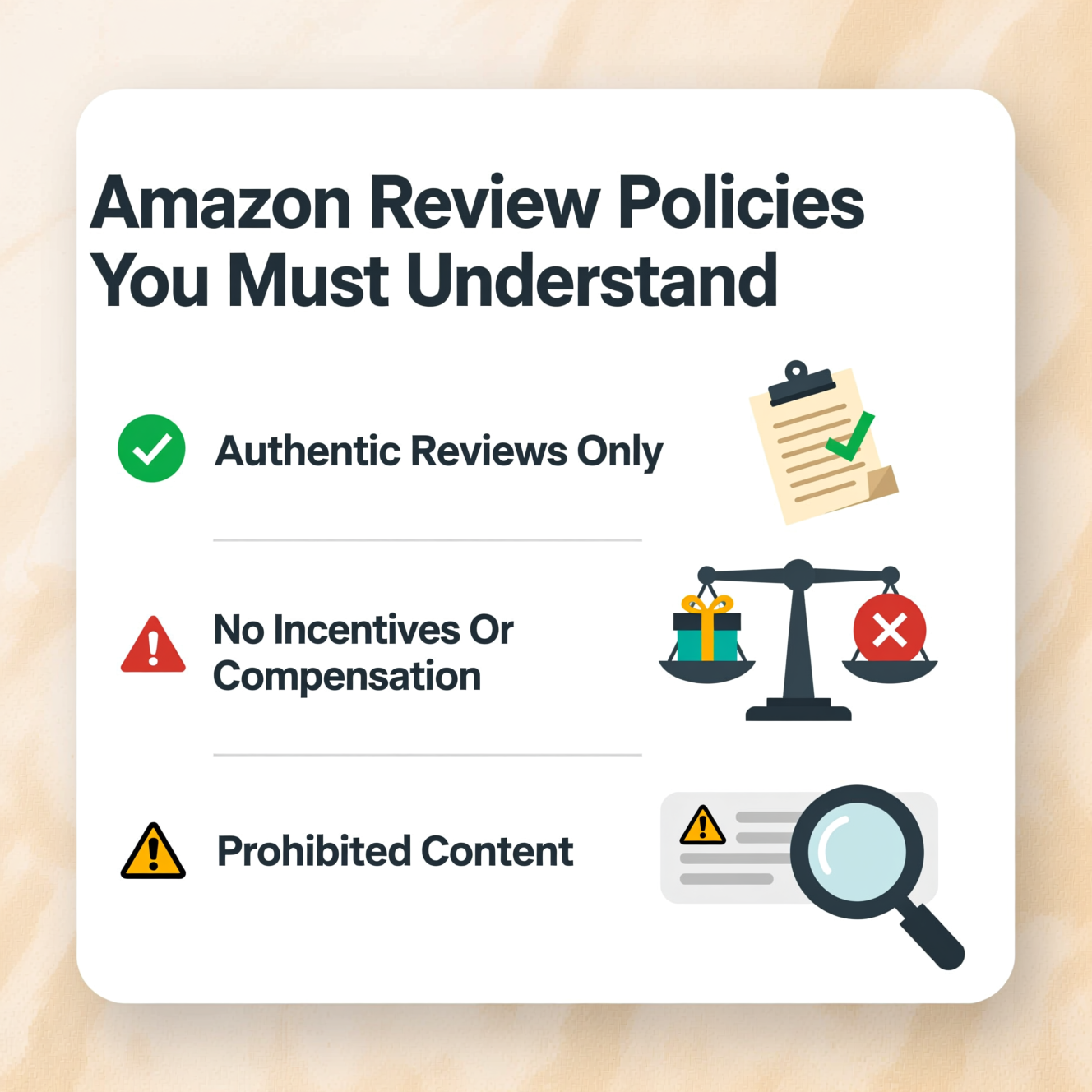
Amazon Review Policies You Must Understand
Probably, Amazon’s review system is designed to help customers make informed purchasing decisions. Just to maintain trust and fairness, Amazon enforces strict review policies that every seller must understand. By ignoring or misunderstanding these rules can result in rejected removal requests, account warnings, or even suspension. Below are the key Amazon review policies you must know to protect your listings and your seller account.
1. Reviews Must Reflect a Genuine Customer Experience
Amazon only allows reviews based on real experiences with a product. Reviews should describe how the product was used and whether it met expectations. Content that is speculative, hearsay-based, or written without actual product use violates Amazon policy.
2. Incentivized Reviews Are Strictly Prohibited
Offering discounts, refunds, free products, or any form of compensation in exchange for positive reviews is not allowed. Amazon considers incentivized reviews as manipulation of customer feedback, and violations can lead to severe penalties.
3. No Review Manipulation or Interference
Sellers are not permitted to influence reviews in any way. This includes:
- Asking customers to leave only positive reviews
- Pressuring buyers to remove or change negative reviews
- Using third parties or fake accounts to post reviews
Any attempt to manipulate reviews is a serious policy violation.
4. Reviews Must Be Product-Focused
Amazon requires reviews to be about the product itself—not the seller, shipping service, pricing, or customer support experience. Reviews that focus on fulfillment or service issues, especially for FBA orders, violate Amazon’s guidelines.
5. Prohibited Content in Reviews
Amazon does not allow reviews that contain:
- Hate speech, threats, or harassment
- Obscene or explicit language
- Personal or confidential information
- Medical, legal, or false safety claims
Reviews with prohibited content are eligible for removal.
6. Conflict of Interest Is Not Allowed
Reviews written by sellers, employees, friends, family members, or competitors are considered conflicts of interest and are strictly forbidden. Amazon actively monitors such activity to maintain review integrity.
7. No Promotional or External Content
Reviews cannot include advertisements, promotional messages, coupon codes, or links to external websites. Amazon reviews must remain neutral and helpful to shoppers.
8. Reporting Reviews Must Follow the Correct Process
Sellers cannot remove reviews directly. Instead, they must report reviews that violate policy through Seller Central. Submitting false or repeated reports for valid reviews may negatively impact your account.
Understanding and respecting Amazon’s review policies is essential for long-term success on the platform. Sellers who follow the rules can confidently report unfair reviews while maintaining account health and customer trust.
Step-by-Step Process to Remove Unfair Amazon Reviews
Unfair reviews can negatively impact your product rankings, conversion rate, and brand credibility. While Amazon allows sellers to report reviews that violate its policies, the removal process must be handled carefully and correctly. Below is a step-by-step guide to help you remove unfair Amazon reviews while staying fully compliant with Amazon’s rules.
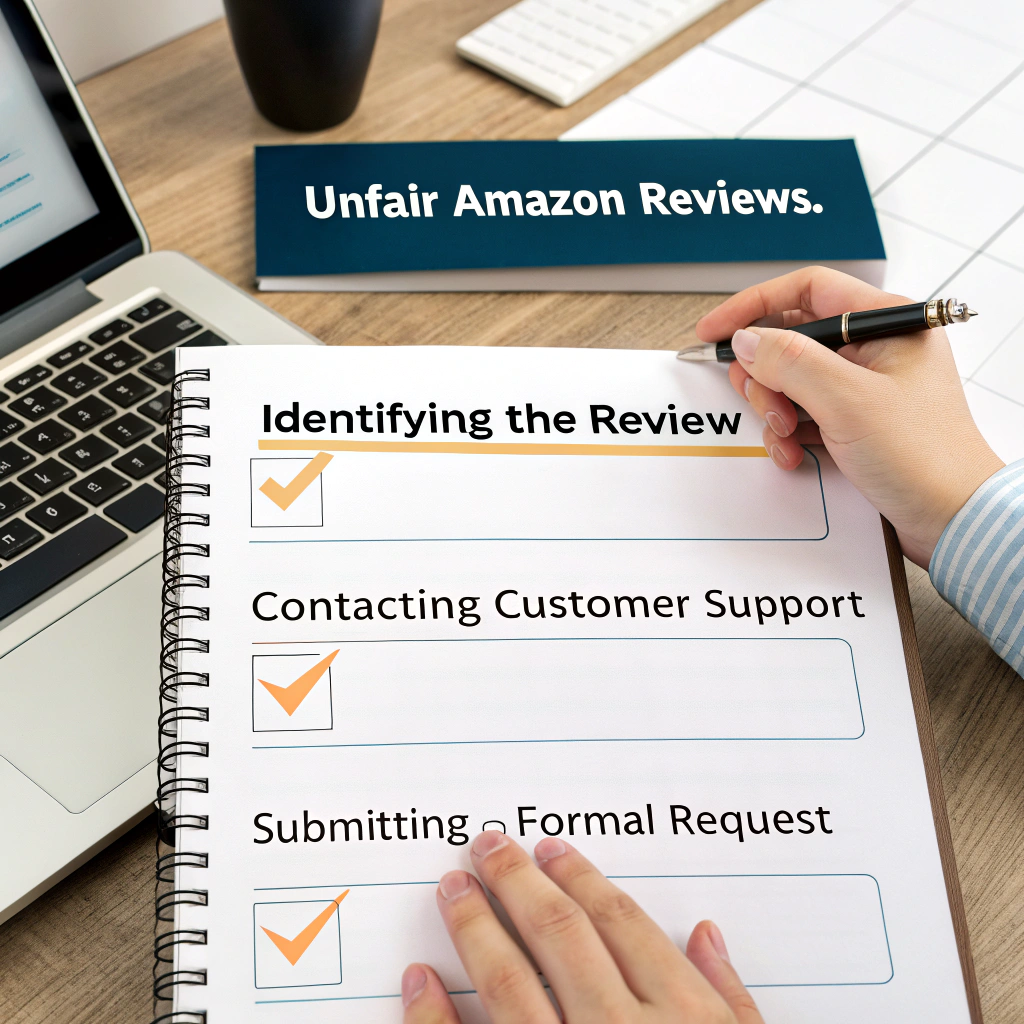
Step 1: Identify Whether the Review Violates Amazon Policy
Before taking action, determine if the review is truly unfair under Amazon’s guidelines. Eligible reviews for removal typically include those that:
- Focus on shipping, packaging, or fulfillment issues
- Contain abusive, offensive, or inappropriate language
- Include false, misleading, or unverified claims
- Promote other products or external websites
- Are written by competitors or involve conflicts of interest
If the review is simply a negative but honest opinion about the product, it cannot be removed.
Step 2: Collect Evidence and Review Details
Make a note of the review’s:
- Review ID
- Date posted
- Exact policy violation
- Screenshot or copy of the content
Having the clear evidence strengthens your case when reporting the review to Amazon.
Step 3: Report the Review Through Seller Central
Log in to Seller Central and navigate to Performance → Feedback → Product Reviews. Locate the unfair review and click “Report abuse” or “Request removal.” Select the policy violation that best matches the issue and submit your request.
Step 4: Submit a Case With Seller Support (If Needed)
If the review is not removed after reporting, open a case with Amazon Seller Support. Clearly explain how the review violates Amazon’s review policies. Be factual, professional, and avoid emotional language. Quoting the relevant policy can improve your chances of success.
Step 5: Monitor the Review Status
Amazon typically reviews reported cases within a few days. Check the review regularly to see if it has been removed or updated. Avoid submitting multiple reports for the same review unless instructed by Seller Support.
Step 6: Respond Publicly (When Appropriate)
If a review does not qualify for removal, consider posting a professional and helpful public response. A calm, solution-focused reply shows potential customers that you value feedback and customer satisfaction.
Step 7: Prevent Future Unfair Reviews
While you can’t eliminate all negative reviews, you can reduce unfair ones by:
- Providing clear product descriptions and images
- Setting accurate customer expectations
- Using packaging and inserts that follow Amazon guidelines
- Monitoring reviews regularly
Removing unfair Amazon reviews requires patience, accuracy, and a policy-first approach. By following the correct steps, sellers can protect their listings without risking account health or policy violations.
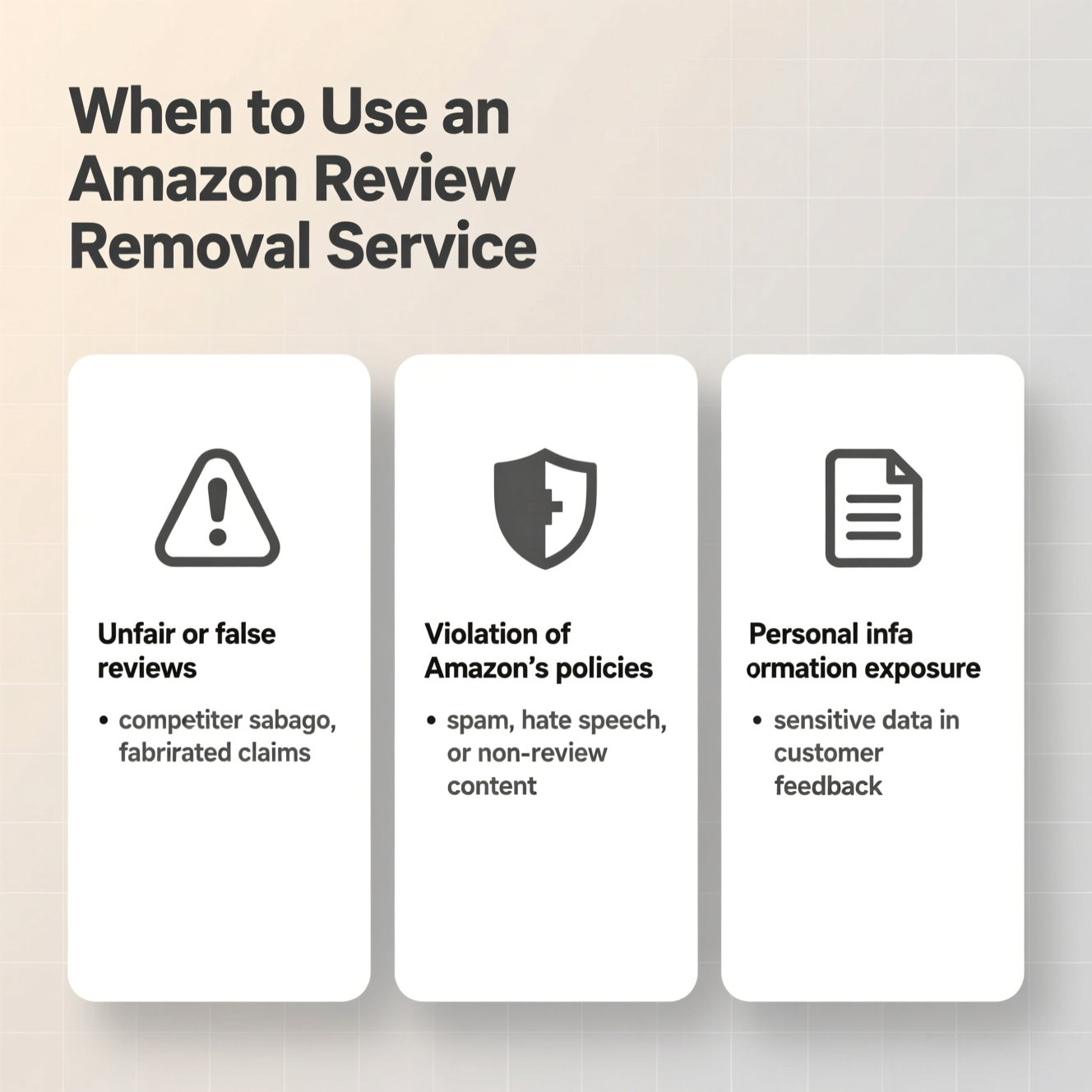
When to Use an Amazon Review Removal Service
Unfair or policy-violating reviews can significantly impact your Amazon listing’s performance, brand credibility, and sales. While many sellers attempt to handle review removals on their own, there are situations where using an Amazon review removal service becomes a practical and strategic choice. Knowing when to seek professional help can save time, reduce risk, and improve success rates.
1. When Reviews Clearly Violate Amazon Policies
If your listing has reviews that break Amazon’s guidelines—such as abusive language, false claims, competitor attacks, or promotional content—but your removal requests are repeatedly rejected, a review removal service can help. These services understand Amazon’s policies in depth and know how to present violations correctly.
2. When You Lack Time or Internal Resources
Review monitoring and reporting require consistency and attention to detail. If you manage multiple listings or operate at scale, handling review disputes internally can become overwhelming. A dedicated review removal service allows you to focus on operations, marketing, and growth while professionals handle compliance and follow-ups.
3. When Previous Removal Attempts Have Failed
Many sellers submit vague or incorrect removal requests, which leads to automatic rejections. If you’ve already tried reporting a review but received no action, a specialized service can re-evaluate the case, identify the exact policy violation, and resubmit it correctly.
4. When Negative Reviews Are Impacting Sales or Ranking
A few unfair reviews can significantly lower your product rating and conversion rate. If a listing’s performance is declining due to policy-violating reviews, using a removal service can help protect your revenue and restore customer confidence more quickly.
5. When You Want to Avoid Policy Violations
Attempting aggressive or improper review removal tactics can lead to account warnings or suspensions. Reputable Amazon review removal services operate within Amazon’s rules and help ensure that all actions remain compliant, reducing the risk to your seller account.
6. When Dealing With Competitor or Fake Reviews
Identifying and proving competitor-driven or fake reviews can be complex. Professional services often have experience detecting suspicious patterns and presenting strong evidence to Amazon, increasing the chances of successful removal.
7. When Brand Reputation Is a Priority
For brand-registered sellers, maintaining a strong and trustworthy review profile is critical. A review removal service can help safeguard your brand image by addressing harmful reviews promptly and professionally.
Using an Amazon review removal service is not about avoiding negative feedback—it’s about correcting unfair or policy-violating reviews the right way. When used strategically, these services can be a valuable tool for protecting listings, maintaining compliance, and supporting long-term success on Amazon.
How to Prevent Unfair Reviews in the Future
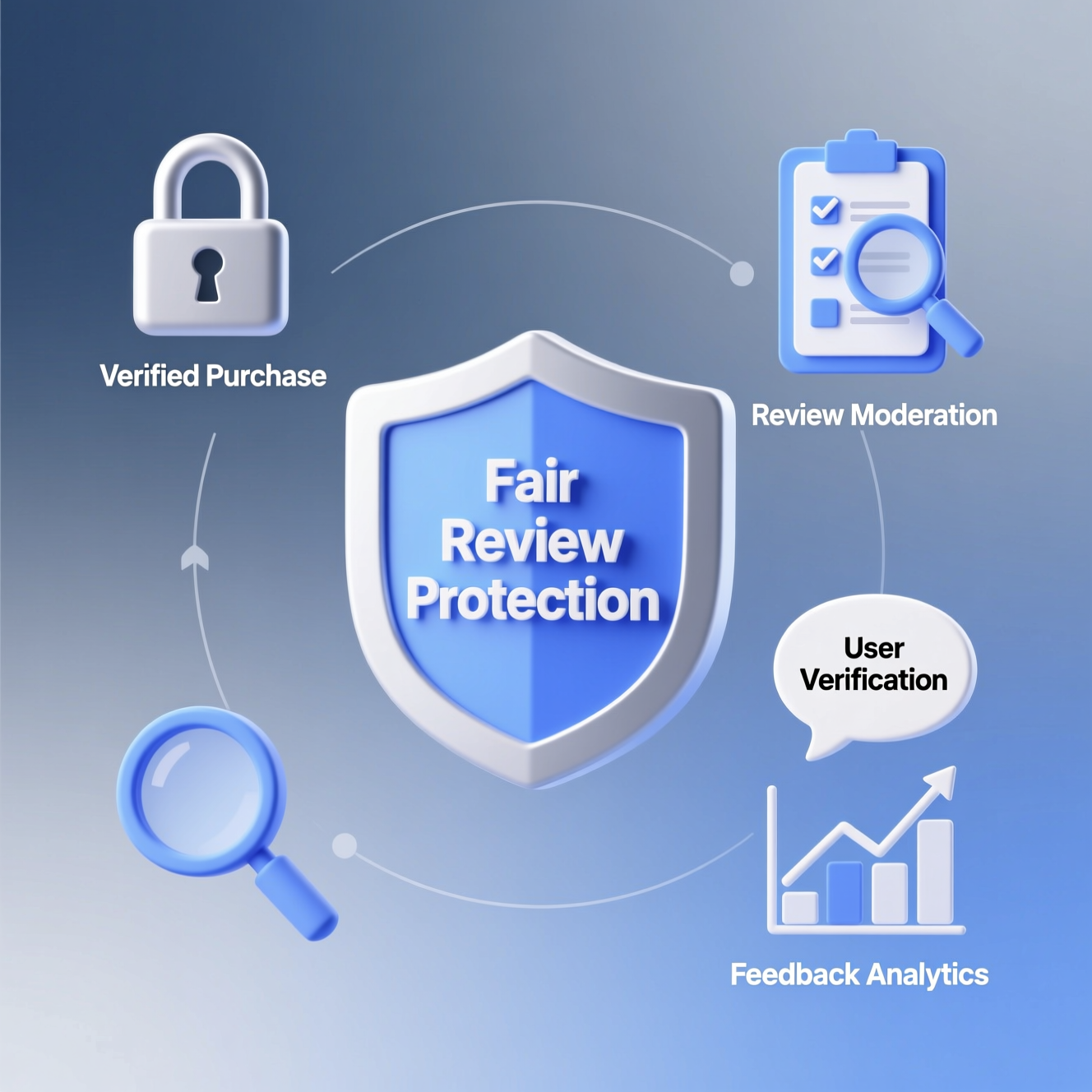
While it’s impossible to control every customer opinion, sellers can take proactive steps to reduce unfair or misleading reviews on Amazon. Preventing such reviews not only protects your product ratings but also strengthens customer trust and long-term brand value. Below are proven strategies to help minimize unfair reviews before they happen.
1. Set Accurate Product Expectations
Many unfair reviews come from misunderstandings. Ensure your product title, bullet points, description, and images accurately represent the product. Avoid exaggerated claims or unclear wording that could confuse customers.
2. Use High-Quality Images and Videos
Clear images, infographics, and product videos help customers understand exactly what they are buying. Visual clarity reduces disappointment and prevents reviews based on incorrect assumptions.
3. Improve Product Quality and Packaging
Consistent quality control and durable packaging reduce complaints related to defects or damage. Fewer quality issues mean fewer negative reviews, fair or unfair.
4. Optimize Fulfillment and Inventory Management
Late deliveries and stock issues often trigger negative feedback. Using reliable fulfillment methods and maintaining proper inventory levels can help prevent reviews related to shipping or availability problems.
5. Monitor Reviews Regularly
Regularly checking reviews allows you to identify potential issues early. Addressing small concerns before they escalate can prevent future unfair reviews and improve customer satisfaction.
6. Respond Professionally to Negative Reviews
A calm, respectful public response can reduce the impact of an unfair review. Address the concern, offer assistance, and show accountability—this reassures future buyers and often discourages additional negative feedback.
7. Encourage Honest Customer Feedback (Within Policy)
You may request feedback from customers using Amazon-approved methods, such as the “Request a Review” button in Seller Central. Never incentivize reviews or ask for only positive feedback.
8. Educate Customers Through Inserts and Support
Policy-compliant packaging inserts that explain product usage, care instructions, or troubleshooting steps can reduce misuse-related complaints that often lead to unfair reviews.
9. Leverage Brand Registry Tools
If you are brand registered, use available tools to monitor listings, manage content, and protect your brand from abuse. Strong brand control reduces the risk of misleading reviews.
Preventing unfair Amazon reviews is about clarity, consistency, and customer experience. By setting the right expectations and staying proactive, sellers can significantly reduce the likelihood of unfair feedback and build a more trustworthy review profile over time.
Common Mistakes That Get Sellers Penalized
Selling on online marketplaces like Amazon, Flipkart, or other e-commerce platforms offers massive opportunities—but it also comes with strict rules. Many sellers face account warnings, listing suppression, or even permanent suspension due to avoidable mistakes. Understanding these common errors can help you protect your seller account, maintain trust with customers, and grow your business safely.
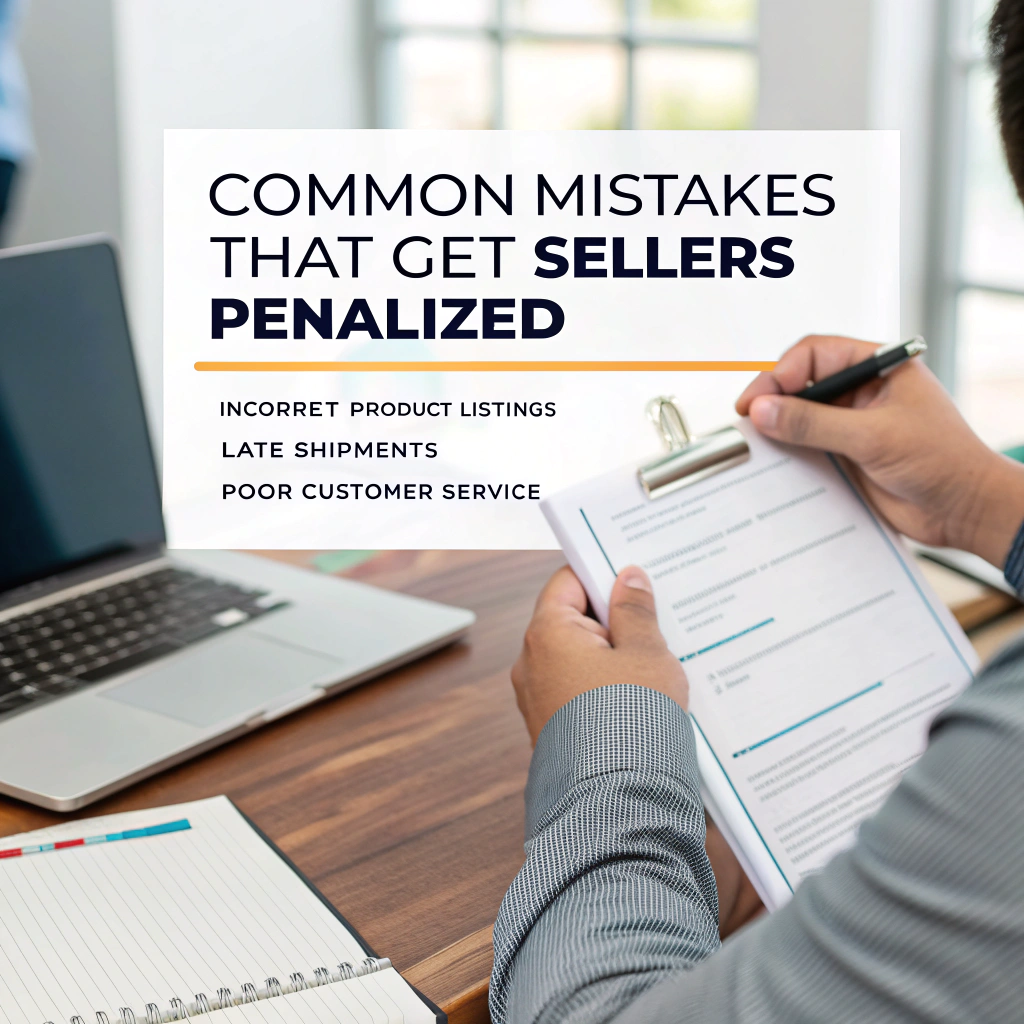
Below are the most frequent mistakes that get sellers penalized—and how to avoid them.
1. Violating Platform Policies
One of the biggest reasons sellers get penalized is ignoring or misunderstanding marketplace policies.
Common policy violations include:
- Selling restricted or prohibited products
- Using banned keywords or claims in listings
- Offering counterfeit or unauthorized items
- Violating pricing or promotion rules
How to avoid it:
Regularly review the seller policy updates and category-specific guidelines. Policies change often, and staying updated is critical.
2. Selling Counterfeit or Inauthentic Products
Marketplaces have zero tolerance for counterfeit goods. Even one customer complaint can trigger an investigation.
Risks include:
- Immediate listing removal
- Account suspension
- Funds held or forfeited
How to avoid it:
Source products only from authorized suppliers. Keep invoices and brand authorization documents ready in case of verification requests.
3. Manipulating Reviews or Ratings
Trying to influence reviews is a serious violation.
Examples of review manipulation:
- Offering discounts or gifts for positive reviews
- Posting fake reviews
- Asking friends or family to leave reviews
- Using third-party review services
How to avoid it:
Focus on product quality and genuine customer experience. Use only approved methods for requesting feedback.
4. Poor Order Fulfillment Performance
Late deliveries, order cancellations, and high return rates negatively impact seller metrics.
Key performance issues:
- Late shipment rate
- Order defect rate (ODR)
- High cancellation rate
How to avoid it:
Maintain accurate inventory, use reliable logistics partners, and process orders promptly.
5. Inaccurate or Misleading Product Listings
Misrepresenting products can lead to customer complaints and policy violations.
Common listing mistakes:
- Incorrect product descriptions
- False claims (e.g., “100% guaranteed results”)
- Misleading images
- Wrong category placement
How to avoid it:
Ensure listings are accurate, honest, and match the actual product. Avoid exaggerated marketing language.
6. Pricing Violations
Some sellers get penalized for unfair or deceptive pricing practices.
Pricing mistakes include:
- Excessive price hikes during high demand
- Price manipulation to beat competitors unfairly
- Violating minimum or maximum price rules
How to avoid it:
Follow fair pricing guidelines and monitor automated pricing tools carefully.
7. Ignoring Customer Messages and Complaints
Delayed or unprofessional communication can harm seller health.
Common communication errors:
- Not responding to buyer messages on time
- Using rude or unprofessional language
- Ignoring return or refund requests
How to avoid it:
Respond within the required time frame and handle customer issues politely and professionally.
8. Not Monitoring Account Health Metrics
Many sellers get penalized simply because they don’t track their performance.
Important metrics to monitor:
- Account Health Rating
- Policy compliance alerts
- Performance notifications
How to avoid it:
Check your seller dashboard regularly and take corrective action immediately when issues appear.
9. Using Black-Hat Tactics to Boost Sales
Short-term tricks often lead to long-term damage.
Risky practices include:
- Keyword stuffing
- Creating duplicate listings
- Circumventing platform systems
- Misusing variations or bundles
How to avoid it:
Stick to ethical, policy-compliant growth strategies. Sustainable selling always wins.
10. Delayed Response to Policy Warnings
Ignoring warnings or notices from the platform can escalate minor issues into serious penalties.
How to avoid it:
Act immediately when you receive a warning. Submit proper explanations, corrective actions, or appeals within deadlines.
Final Thoughts
Seller penalties are often the result of small but repeated mistakes. The good news is that most of these issues are completely avoidable with awareness, discipline, and ethical selling practices.
By following marketplace rules, maintaining transparency, and prioritizing customer satisfaction, you can protect your seller account and build a long-term, profitable business.
Remember: Prevention is always easier than account recovery.
Final Checklist for Amazon Review Removal
Amazon reviews strongly influence customer trust and buying decisions. While negative reviews are part of selling online, reviews that violate Amazon’s policies can and should be removed. However, many sellers fail simply because they miss key steps or follow the wrong process.
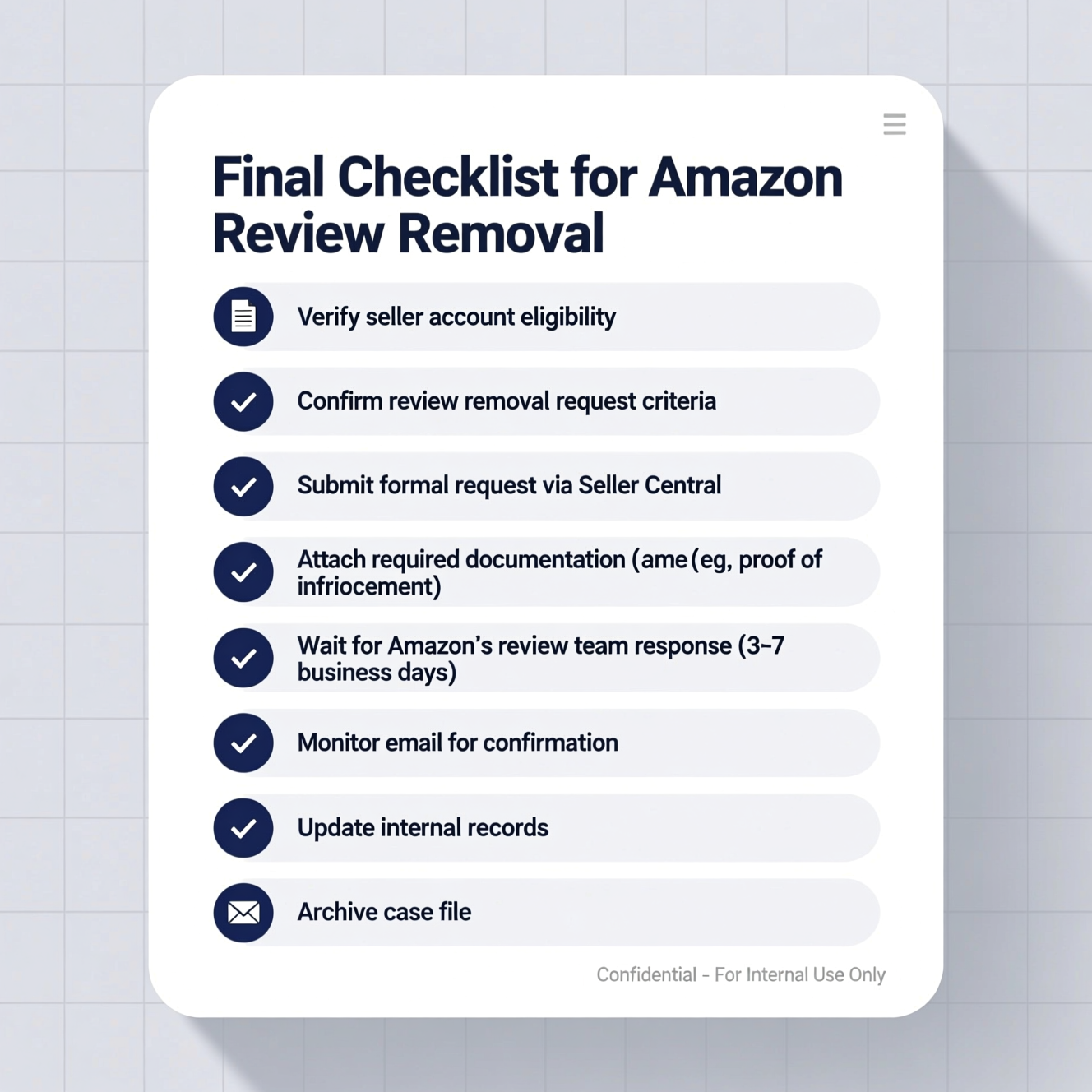
This final checklist will guide you through everything you need to verify before requesting an Amazon review removal.
1.Check If the Review Violates Amazon Guidelines
Amazon does not remove reviews just because they are negative. Removal is only possible if the review breaks Amazon’s policies.
Reviews that qualify for removal include those containing:
- Abusive, offensive, or hateful language
- Profanity or threats
- Personal information (email, phone number, address)
- Promotional content or external website links
- Mentions of competitor brands or pricing
- Reviews written in exchange for incentives
- Repeated or spam content
If none of these violations exist, the review is unlikely to be removed.
2. Confirm the Review Is Not About Seller Experience
Product reviews must focus only on the product itself.
Eligible for removal:
- Complaints about late delivery
- Packaging or courier issues
- Refund or return problems
- Seller communication complaints
These issues belong in seller feedback, not product reviews.
3. Identify Fake or Suspicious Reviews
Some reviews show clear signs of manipulation.
Red flags include:
- Reviewer never purchased the product
- Copy-paste reviews across multiple listings
- Reviews with extreme claims but no product details
- Multiple reviews posted within minutes
Such reviews may qualify for removal if policy violations can be proven.
4. Collect Supporting Evidence
While Amazon may not always ask for proof, having evidence strengthens your request.
Useful documentation:
- Screenshot of the review
- Order ID linked to the review
- Policy section being violated
- Product images or listing details disproving claims
Always keep records ready before contacting support.
5. Use the Correct Reporting Method
Amazon provides approved channels for review removal.
Recommended options:
- Click “Report abuse” under the review
- Seller Central → Account Health → Voice of the Customer
- Contact Seller Support with a policy-based explanation
Avoid submitting multiple reports for the same review at once.
6. Clearly Reference the Policy in Your Request
Vague complaints are often rejected.
Best approach:
- Quote the exact Amazon policy
- Explain how the review violates it
- Keep your message short and factual
Professional communication increases success rates.
7. Never Contact the Buyer About the Review
Contacting buyers about reviews is strictly prohibited.
Do not:
- Ask buyers to change or delete reviews
- Offer refunds, gifts, or incentives
- Argue or threaten the reviewer
This can result in serious account penalties.
8. Monitor the Case Status
After submitting the request, track its progress.
Check for:
- Review removal confirmation
- Seller Support messages
- Case resolution timelines
If the request is rejected, review the explanation carefully.
9. Submit an Appeal Only If You Have New Information
Repeated appeals without new evidence usually fail.
Reappeal only when:
- You found an additional policy violation
- You have new documentation
- Amazon misunderstood the issue
Quality appeals matter more than quantity.
10.Focus on Long-Term Review Protection
Not all reviews can be removed, so prevention is essential.
Preventive measures:
- Improve product quality and accuracy
- Use clear product images and descriptions
- Set realistic expectations
- Use Amazon-approved “Request a Review” tools
A strong review profile reduces the impact of unfair feedback.
Final Thoughts
Amazon review removal is a policy-driven process—not an emotional one. Following this final checklist ensures you to take the correct steps, avoid penalties, and improve your chances of successful review removal. Stay compliant, stay professional, and protect your brand reputation.
Conclusion
Removing unfair reviews from Amazon listings is not about silencing negative feedback—it is about protecting your brand from reviews that violate Amazon’s policies and mislead potential customers. When handled correctly, review removal becomes a structured, ethical, and policy-compliant process rather than a risky shortcut.
By understanding what qualifies for removal, following Amazon’s official reporting methods, and communicating with Seller Support using clear policy references, sellers can significantly improve their chances of success. Equally important is knowing what not to do—such as contacting buyers or attempting review manipulation—which can lead to serious account penalties. Even when removal is not possible, maintaining a consistent flow of genuine positive reviews helps balance occasional negatives. When sellers focus on compliance, professionalism, and long-term trust, they not only safeguard their listings but also build a sustainable Amazon business the right way.