

Part 2: Why Your Reviews Are Disappearing Overnight
Common Mistakes Sellers Are Making Right Now
In today’s highly competitive e-commerce landscape, simply listing a product is no longer enough. Although thousands of sellers competing for attention on platforms like Amazon and Flipkart, even small mistakes can lead to lost sales, poor rankings, and declining profits. If your sales are not growing as expected, chances are you’re making one (or more) of these common mistakes. Let’s break them down—and more importantly, how to fix them.
1. Ignoring Data-Driven Decisions
One of the biggest mistakes sellers make is relying on intuition instead of data. Many sellers fail to analyze key metrics such as click-through rate (CTR), conversion rate, and keyword performance. Without this data, you’re essentially operating blind.
How to Fix It:
Start tracking your performance regularly. Use marketplace analytics tools to identify what’s working and what isn’t. Small data-backed changes can lead to significant improvements in sales.
2. Poor Product Listing Optimization
Your product listing acts as your online storefront. If it’s not optimized, customers won’t find—or trust—your product.
Common Issues:
- Weak or keyword-stuffed titles
- Low-quality images
- Unclear or generic descriptions
How to Fix It:
If you focus on high-quality visuals, SEO-friendly titles, and benefit-driven bullet points. Make your listing both searchable and persuasive.
3. Neglecting Verified Reviews Strategy
If customer reviews are one of the strongest ranking and trust factors. Many sellers either ignore reviews or attempt shortcuts that violate platform policies.
How to Fix It:
Encourage genuine feedback through excellent service and follow-ups. Focus on increasing verified purchase reviews to build credibility and improve rankings.
4. Poor Pricing Strategy
Competing only on price is a race to the bottom.
Common Mistakes:
- Constantly undercutting competitors
- Ignoring profit margins
- Not adjusting pricing dynamically
How to Fix It:
Adopt a value-based pricing approach. Use pricing tools and competitor analysis to stay competitive without sacrificing profitability.
5. Ineffective Inventory Management
Running out of stock or overstocking can severely impact your business.
Impact:
- Stockouts lead to lost sales and ranking drops
- Overstocking increases storage costs
How to Fix It:
Use demand forecasting and inventory management tools to maintain optimal stock levels.
6. Wasting Money on Unoptimized Ads
Paid advertising can drive massive growth—but only if done correctly.
Common Mistakes:
- Running ads without keyword research
- Not optimizing campaigns regularly
- Ignoring ACOS (Advertising Cost of Sales)
How to Fix It:
Continuously monitor and optimize your campaigns. Identify high-performing keywords and eliminate wasteful spending.
7. Not Building a Brand
Many sellers focus only on short-term sales rather than long-term growth.
Why It Matters:
Without branding, customers won’t remember or trust your business.
How to Fix It:
Invest in:
- Brand identity (logo, packaging)
- Consistent messaging
- Customer experience
A strong brand leads to repeat purchases and customer loyalty.
8. Ignoring Customer Experience
Customer experience directly affects your reviews, ratings, and repeat sales.
Common Issues:
- Slow response times
- Poor packaging
- Lack of after-sales support
How to Fix It:
Deliver a seamless experience—from browsing to post-purchase support. Happy customers become repeat buyers.
9. Not Keeping Up with Marketplace Policies
E-commerce platforms frequently update their rules and algorithms.
Risk:
Failing to comply can lead to listing removal or account suspension.
How to Fix It:
Just Stay updated with platform policies and adapt quickly to changes.
10. Trying to Do Everything Alone
Scaling an e-commerce business requires systems and support.
Problem:
Many sellers try to manage everything themselves, leading to burnout and slow growth.
How to Fix It:
Automate repetitive tasks and outsource where necessary. Focus on strategy instead of daily operations. Success in e-commerce is no longer about luck—it’s about strategy, consistency, and adaptability.
By avoiding these common mistakes and focusing on continuous improvement, you can:
- Increase visibility
- Boost conversions
- Build a sustainable and profitable business
The sellers who win today are the ones who learn fast, adapt quickly, and optimize constantly.
Ignoring Policy Changes
E-commerce platforms frequently update their policies to improve customer trust, reduce fraud, and enhance user experience. However, many sellers fail to keep up with these changes.
Common Mistakes:
- Not checking seller dashboards for updates
- Ignoring emails or notifications from the platform
- Assuming old strategies still comply with new rules
Impact:
If you are failing to follow updated policies can lead to listing suppression, reduced visibility, or even account suspension.
How to Fix It:
Make it a habit to review policy updates weekly. Stay active in seller forums and official announcements so you can quickly adapt your strategies.
Continuing Old Review Generation Tactics
Review systems have evolved significantly, yet many sellers continue to use outdated or risky tactics.
Common Mistakes:
- By offering incentives in exchange for reviews
- Using aggressive or misleading follow-up messages
- Violating review guidelines unknowingly
Impact:
These practices can result in review removal, penalties, or permanent account suspension.
How to Fix It:
Focus on ethical, policy-compliant methods:
- Provide excellent customer experience
- Use approved “Request a Review” features
- Encourage honest feedback without manipulation
Over-Reliance on External Review Services
Many sellers depend heavily on third-party services to generate reviews quickly—but this approach is increasingly risky.
Common Mistakes:
- Hiring agencies that promise “guaranteed reviews”
- Using review exchange groups or bots
- Prioritizing quantity over authenticity
Impact:
Platforms are now using advanced AI systems to detect unnatural review patterns. This can lead to:
- Mass review deletion
- Listing suppression
- Account bans
How to Fix It:
Shift your focus from shortcuts to sustainability:
- Build organic review strategies
- Invest in product quality and customer satisfaction
- Let genuine experiences drive real feedback
Final Insight
The rules of e-commerce are changing rapidly. Sellers who continue using outdated or risky practices will struggle to survive.
To stay competitive:
- Stay informed
- Stay compliant
- Stay customer-focused
Long-term success comes from trust, transparency, and adaptability—not shortcuts.
Ethical Ways to Generate Reviews in 2026
In 2026, customer reviews are more than just feedback—they are a critical factor in ranking, trust, and conversions. With stricter marketplace policies and smarter AI detection systems, ethical review generation is no longer optional—it’s essential. Here’s how smart sellers are building authentic, policy-compliant reviews that drive long-term success.

1. Deliver an उत्कृष्ट (Outstanding) Customer Experience
The foundation of every genuine review is a great customer experience.
What to Focus On:
- High-quality products
- Secure and attractive packaging
- Fast and reliable delivery
- Clear product instructions
Why It Works:
Happy customers naturally leave positive reviews without being pushed.
2. Use Official “Request a Review” Tools
Most marketplaces provide built-in tools to request reviews in a compliant way.
Best Practices:
- Use automated review request features
- Send requests at the right time (after delivery)
- Keep communication neutral and non-incentivized
Why It Works:
These tools are designed to follow platform rules, reducing risk.
3. Optimize Post-Purchase Communication
Your communication after the sale plays a huge role in review generation.
Do This:
- Send polite follow-up messages
- Offer help before asking for feedback
- Keep tone friendly, not pushy
Avoid:
- Asking only for positive reviews
- Offering discounts or rewards for reviews
Pro Tip:
A helpful message often leads to a voluntary review.
4. Focus on Verified Purchase Reviews
Verified reviews carry more weight than unverified ones.
How to Increase Them:
- Drive real sales through ads and organic traffic
- Avoid fake or manipulated review methods
- Ensure a smooth buying experience
Why It Matters:
Platforms prioritize verified reviews for ranking and trust.
5. Leverage Product Inserts (Carefully)
Including a small card inside your packaging can encourage feedback.
What to Include:
- A thank-you message
- Customer support contact
- A gentle request for honest feedback
Important:
Do NOT:
- Offer incentives
- Ask specifically for positive reviews
Why It Works:
It creates a personal connection and increases response rates.
6. Provide Excellent Customer Support
Great support can turn even a negative experience into a positive review.
Best Practices:
- Respond quickly to queries
- Resolve issues proactively
- Follow up after resolving problems
Outcome:
Customers appreciate support—and often reflect it in reviews.
7. Build a Strong Brand Trust
Customers are more likely to review brands they trust.
How to Build Trust:
- Maintain consistent quality
- Use professional branding
- Be transparent in product descriptions
Long-Term Benefit:
Trusted brands naturally attract more organic reviews.
8. Learn from Negative Reviews
Negative reviews are not failures—they are opportunities.
What to Do:
- Respond professionally
- Fix recurring issues
- Improve your product or listing
Why It Matters:
Customers value brands that listen and improve.
Final Thoughts
In 2026, ethical review generation is all about authenticity and customer-first thinking. Shortcuts may give more temporary results—but they come with high risks. Sustainable success comes from:
- Real customers
- Real experiences
- Real feedback
Focus on delivering value, and the reviews will follow naturally.
Using Amazon’s “Request a Review” Button
One of the safest and most effective ways to generate reviews is by using Amazon’s built-in “Request a Review” feature.
Why It Works:
- Fully compliant with Amazon’s policies
- Sends neutral, standardized messages to buyers
- Includes both seller feedback and product review requests
Best Practices:
- Request reviews 5–10 days after delivery
- Use it consistently for every order
- Combine with good service for better results
Pro Tip:
Automate this process using approved tools to ensure you never miss an opportunity.
Leveraging Customer Experience
Great reviews start with great experiences.
Key Elements:
- High-quality product that matches expectations
- Fast and secure delivery
- Premium, thoughtful packaging
- Clear instructions and usability
Why It Matters:
Customers who are genuinely happy are far more likely to leave positive, voluntary reviews.
Action Step:
Audit your entire customer journey—from product page to delivery—and eliminate friction points.
Post-Purchase Email Strategies (Compliant)
Post-purchase emails can significantly boost review rates—if done correctly.
What You Should Do:
- Send a polite follow-up after delivery
- Ask if the customer needs help first
- Encourage honest feedback (not just positive reviews)
What to Avoid:
- Offering discounts or incentives for reviews
- Asking specifically for 5-star ratings
- Sending excessive or spammy messages
Simple Example:
“Hi, we hope you’re enjoying your purchase. If you have any questions, feel free to reach out. Your feedback helps us improve!”
Why It Works:
It builds trust and makes customers feel valued—not pressured.
Building Brand Loyalty
Loyal customers are your biggest source of consistent, high-quality reviews.
How to Build Loyalty:
- Maintain consistent product quality
- Create a strong brand identity (logo, packaging, messaging)
- Offer excellent customer support
- Engage customers beyond the first purchase
Long-Term Benefits:
- Higher repeat purchase rate
- More organic reviews
- Stronger brand trust and authority
Pro Insight:
Customers don’t just review products—they review brands they believe in.
Final Takeaway
In 2026, generating reviews is not about shortcuts—it’s about systems, experience, and trust.
By combining:
- Amazon’s built-in tools
- Exceptional customer experience
- Smart, compliant communication
- Strong brand building
You create a sustainable review engine that drives both rankings and revenue.
How to Audit Your Existing Reviews
Simply auditing your existing reviews is one of the most overlooked yet powerful ways to improve your product, increase conversions, and stay compliant with marketplace policies. Instead of chasing more reviews, smart sellers first analyze what they already have—because hidden insights can directly impact your growth.

1. Collect and Organize All Reviews
Start by gathering all your reviews from different sources:
- Amazon / Flipkart product pages
- Seller feedback
- Customer emails or support tickets
What to Do:
- Export reviews into a spreadsheet
- Categorize by product, rating, and date
Goal:
Create a clear, structured dataset to analyze patterns.
2. Segment Reviews by Rating
Not all reviews provide the same value.
Break them down into:
- ⭐⭐⭐⭐⭐ (Positive insights)
- ⭐⭐⭐ (Neutral feedback)
- ⭐ & ⭐⭐ (Critical issues)
Why This Matters:
- 5-star reviews reveal what customers love
- 1–2 star reviews expose problems you must fix
Pro Tip:
Don’t ignore negative reviews—they are your biggest growth opportunity.
3. Identify Common Keywords & Patterns
Look for repeated words and phrases in reviews.
Examples:
- “Good quality” → Strength
- “Late delivery” → Logistics issue
- “Not as described” → Listing problem
How to Do It:
- Use simple keyword tracking or tools
- Create a list of recurring themes
Outcome:
You’ll quickly identify what to improve or highlight.
4. Detect Policy Risks & Red Flags
Ensure your reviews comply with platform guidelines.
Watch for:
- Sudden spikes in reviews
- Similar wording across multiple reviews
- Reviews from unverified purchases
Risk:
These patterns may trigger AI detection and lead to penalties.
Action:
Remove or avoid risky practices immediately.
5. Analyze Verified vs Unverified Reviews
Why It Matters:
Verified reviews carry more trust and ranking weight.
What to Check:
- Percentage of verified purchase reviews
- Performance difference between verified and unverified
Goal:
Increase the ratio of verified, authentic feedback.
6. Evaluate Product vs Service Feedback
Not all negative reviews are about your product.
Separate Feedback Into:
- Product issues (quality, features, defects)
- Service issues (delivery, packaging, support)
Why This Helps:
You can fix the right problem instead of guessing.
7. Track Trends Over Time
Ask Yourself:
- Are reviews improving or declining?
- Did a recent change impact ratings?
Example:
- Packaging upgrade → Better reviews
- Supplier change → Increased complaints
Action:
Connect review trends with business decisions.
8. Respond and Engage Strategically
Your responses also matter.
Best Practices:
- Thank customers for positive reviews
- Address negative reviews professionally
- Offer solutions, not excuses
Impact:
Shows future buyers that you care and builds trust.
9. Turn Insights into Action
This is where most sellers fail—they analyze but don’t act.
Convert Insights Into:
- Listing improvements (better descriptions, images)
- Product upgrades
- Improved packaging or logistics
- Better customer communication
Golden Rule:
Every repeated complaint should lead to a fix.
Final Thoughts
Review auditing is not a one-time task—it’s an ongoing strategy. By consistently analyzing your reviews, you can:
- Improve product quality
- Increase customer satisfaction
- Boost rankings and conversions
- Stay compliant with marketplace rules
In 2026, the winning sellers are not those with the most reviews—but those who understand and act on them.
Identifying Risky Reviews
Not all reviews are safe. Some can actually harm your account if they violate marketplace policies or trigger AI detection systems.
Common Red Flags:
- Sudden spikes in reviews within a short time
- Multiple reviews with similar wording or tone
- High number of unverified purchase reviews
- Reviews coming from unusual locations or patterns
Why It Matters:
Platforms use advanced AI to detect unnatural behavior. Even unintentional violations can lead to:
- Review removal
- Listing suppression
- Account warnings or suspension
Action Step:
Regularly scan your reviews for unusual patterns and investigate anything that looks unnatural.
Tools for Review Analysis
Using the right tools can simplify review auditing and help you uncover valuable insights faster.
Popular Types of Tools:
- Marketplace Analytics Tools (e.g., Amazon Seller Central reports)
- Third-Party Software (Helium 10, Jungle Scout, etc.)
- Sentiment Analysis Tools (AI-based review analysis platforms)
What These Tools Help You Do:
- Identify common keywords and complaints
- Track rating trends over time
- Detect suspicious or risky review patterns
Pro Tip:
Even a simple Excel sheet with filters can be powerful if used consistently.
Cleaning Up Non-Compliant Reviews
Once if you identify risky or non-compliant reviews, the next step is to clean them up carefully.
Types of Reviews to Address:
- Reviews that violate platform guidelines
- Spam or irrelevant comments
- Offensive or abusive content
- Fake or manipulated reviews
How to Handle Them:
- Use the “Report Abuse” or equivalent feature
- Contact marketplace support if needed
- Avoid direct confrontation with customers
Important Warning:
Never try to delete reviews through unethical methods. This can lead to severe penalties.
Best Practice:
Focus on maintaining a clean, compliant review profile rather than chasing perfect ratings.
Final Insight
Auditing and cleaning your reviews is not about removing negativity—it’s about ensuring authenticity and compliance.
By:
- Identifying risky reviews
- Using the right analysis tools
- Removing non-compliant content properly
You protect your account, improve trust, and build a stronger long-term brand.
What to Do If Your Reviews Disappear
Seeing your product reviews suddenly disappear can be alarming—especially when reviews directly impact your rankings, conversions, and trust. In 2026, this issue is more common due to stricter policies and advanced AI moderation systems.
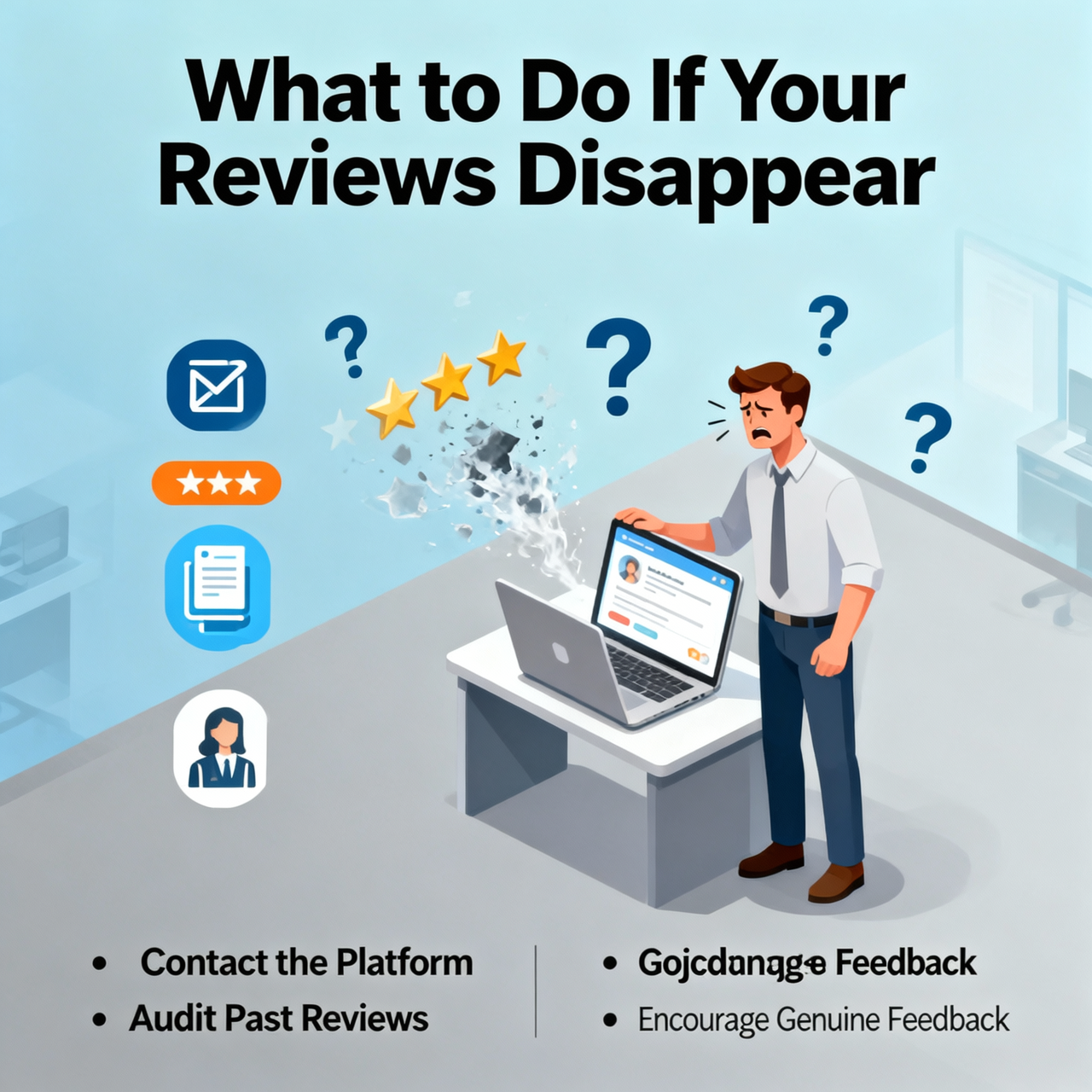
Here’s a clear, actionable guide on what to do if your reviews vanish.
1. Stay Calm and Verify the Situation
Before assuming the worst, confirm what actually happened.
Check:
- Are all reviews gone or just some?
- Is it affecting one product or multiple listings?
- Is there a delay or temporary glitch?
Why This Matters:
Sometimes reviews disappear temporarily due to system updates or syncing delays.
2. Review Marketplace Policies
Some platforms remove reviews that violate their guidelines.
Common Reasons for Removal:
- Incentivized or manipulated reviews
- Reviews from unverified or suspicious accounts
- Bulk review activity detected by AI
- Policy updates affecting older reviews
Action Step:
Go through the latest review policies and identify any potential violations.
3. Check Account Health & Notifications
Your seller dashboard often provides clues.
Look For:
- Performance notifications
- Policy warnings
- Account health alerts
Possible Issues:
- Review manipulation suspicion
- Third-party service usage
- Unusual review activity
Tip:
Don’t ignore warnings—address them immediately.
4. Audit Your Review Sources
If you used external services or aggressive tactics, they may be the cause.
Ask Yourself:
- Did you use any review generation service?
- Were reviews coming in too quickly?
- Were they mostly unverified?
Reality Check:
Platforms are now very strict—any unnatural pattern can trigger mass deletion.
5. Contact Seller Support (If Needed)
If you believe reviews were removed unfairly, reach out to support.
How to Approach:
- Be professional and concise
- Provide order IDs or examples
- Ask for clarification, not confrontation
Important:
Not all reviews will be restored—but you may get useful insights.
6. Stop Risky Practices Immediately
If any questionable methods were used, stop them right away.
Avoid:
- Paid review services
- Incentivized reviews
- Review exchange groups
Why It Matters:
Continuing risky practices can lead to account suspension—not just review loss.
7. Rebuild Reviews the Right Way
Now focus on sustainable, ethical strategies.
What to Do:
- Use “Request a Review” tools
- Improve customer experience
- Send compliant follow-ups
- Focus on verified purchases
Goal:
Build a strong, authentic review base over time.
8. Strengthen Your Listing & Product Quality
Sometimes reviews disappear because of customer dissatisfaction trends.
Improve:
- Product quality
- Listing accuracy (images, descriptions)
- Packaging and delivery
Result:
Better experience → More positive, organic reviews.
9. Monitor Reviews Regularly
Don’t wait for problems to happen again.
Track:
- Review count trends
- Rating changes
- Customer feedback patterns
Pro Tip:
Early detection helps you prevent major losses.
Final Thoughts
Losing reviews can feel like a setback—but it’s also a wake-up call.
In 2026, success depends on:
- Compliance with evolving policies
- Authentic customer experiences
- Long-term trust building
Instead of chasing shortcuts, focus on building a review system that’s sustainable and risk-free.
Immediate Steps to Take
When your reviews disappear, your first response should be quick but controlled.
What to Do Immediately:
- Check if the issue is temporary (system glitch or delay)
- Review affected listings (single product or entire catalog)
- Look for recent changes (pricing, listing edits, campaigns)
- Pause any external review generation activities
Why This Matters:
Acting too fast without understanding the cause can make things worse. A quick audit helps you respond intelligently.
Contacting Amazon Seller Support
If the issue isn’t resolved or seems unusual, reach out to Amazon Seller Support.
How to Do It Effectively:
- Go to Seller Central → Help → Contact Us
- Choose the correct issue category (Reviews / Product Listing)
- Clearly explain the problem with specific examples
What to Include:
- ASIN or product link
- Approximate number of missing reviews
- Timeline of when the issue started
Pro Tip:
Be professional and concise. Avoid emotional language—focus on facts.
What to Expect:
- Clarification on why reviews were removed
- Guidance on policy compliance
- Rarely, reinstatement (if removal was an error)
Rebuilding Trust and Ratings
Once reviews are gone, the only long-term solution is to rebuild them the right way.
Focus Areas:
1. Improve Customer Experience
- Ensure product quality matches expectations
- Upgrade packaging and delivery reliability
- Just provide clear instructions and support
2. Use Compliant Review Methods
- Use Amazon’s “Request a Review” button
- Send polite, neutral follow-ups
- Avoid incentives or manipulation
3. Increase Verified Purchases
- Drive real traffic through ads and organic SEO
- Focus on genuine buyers instead of shortcuts
4. Strengthen Brand Trust
- Maintain consistency in quality and communication
- Respond professionally to all reviews
- Build long-term relationships with customers
Result:
Over time, you’ll regain not just reviews—but stronger, more trustworthy ones.
Final Takeaway
Losing reviews is frustrating—but it’s also an opportunity to reset your strategy.
Remember:
- Act quickly, but don’t panic
- Communicate clearly with support
- Focus on long-term, ethical growth
In 2026, sellers who prioritize trust, compliance, and customer experience will always recover—and grow stronger.
How to Future-Proof Your Amazon Business
In the ever-evolving world of eCommerce, building a successful store on Amazon is no longer enough—you need to future-proof it. With increasing competition, stricter policies, and rapid technological changes, sellers who rely on short-term tactics often struggle to survive. The real winners are those who build resilient, adaptable, and brand-driven businesses.

Let’s explore how you can secure your Amazon business for the long run.
🚀 Why Future-Proofing Matters
Amazon is a powerful platform, but it’s also unpredictable. Sellers face:
- Sudden account suspensions
- Algorithm updates impacting rankings
- Rising ad costs
- Increasing competition
Future-proofing ensures that your business doesn’t collapse when changes happen—it evolves instead.
🔄 1. Diversify Your Sales Channels
Depending solely on Amazon is one of the biggest risks sellers take.
What you should do:
- Launching your own website using Shopify
- Expand to other marketplaces like Walmart or Flipkart
- Explore social commerce (Instagram Shops, Facebook Marketplace)
Why it matters:
If your Amazon account faces issues, your revenue streams remain intact.
🏷️ 2. Build a Strong, Recognizable Brand
Selling generic products is a race to the bottom. Branding creates long-term value.
Steps to build your brand:
- Developing a unique brand identity and story
- Investing in premium packaging
- Register with Amazon Brand Registry
The result:
Customers always remember your brand—not just your product listing.
📊 3. Use Data & Automation to Stay Ahead
Guesswork doesn’t work anymore. Smart sellers rely on data.
Leverage tools to:
- Track keyword rankings
- Analyze competitors
- Optimize PPC campaigns
Automation and AI tools help you make faster, smarter decisions and scale efficiently.
📦 4. Build a Resilient Supply Chain
Supply chain disruptions can severely impact your business.
Best practices:
- Work with multiple suppliers
- Maintain buffer stock for top products
- Consider local sourcing options
Why it matters:
A strong supply chain ensures consistent inventory and uninterrupted sales.
⭐ 5. Focus on Customer Experience & Reviews
Customer satisfaction is the backbone of long-term success.
Prioritize:
- Fast and reliable shipping using Fulfillment by Amazon
- High product quality
- Ethical strategies to generate reviews
Outcome:
Better reviews lead to higher rankings, trust, and conversions.
📈 6. Stay Updated with Amazon Changes
Amazon evolves constantly—and so should you.
Stay informed about:
- Algorithm updates (A9/A10)
- New advertising features
- Policy and compliance changes
Pro tip:
Join seller communities and follow industry updates regularly.
🎯 7. Build an Audience Outside Amazon
Owning your audience gives you control over your growth.
Invest in:
- Email marketing campaigns
- Influencer collaborations
- Content marketing (blogs, YouTube)
Why it’s powerful:
You’re no longer dependent solely on Amazon traffic.
💡 8. Keep Innovating Your Product Line
Markets change, and customer needs evolve.
Ways to innovate:
- Always improve existing products based on feedback
- Launch complementary products
- Identify gaps in the market
Result:
Innovation keeps your brand relevant and competitive.
🔮 The Future of Amazon Selling
The future belongs to sellers who:
- Think long-term
- Adapt quickly
- Build real brands
Short-term hacks may bring temporary success, but sustainable strategies build lasting businesses.
🏁 Final Thoughts
Future-proofing your Amazon business is about taking control where you can and preparing for what you can’t.
By:
- Diversifying your sales channels
- Building a strong brand
- Leveraging data
- Focusing on customer experience
You create a business that doesn’t just survive change—it thrives because of it.
Focus on Product Quality
High product quality is the foundation of a sustainable Amazon business. No amount of marketing can compensate for poor quality in the long run.
Why it matters:
Customers today are more informed and selective. If a single negative experience it can lead to bad reviews, returns, and lost trust.
How to ensure quality:
- Work with reliable and verified suppliers
- Conduct strict quality checks before shipping
- Continuously improve your product based on customer feedback
Long-term impact:
For better quality leads to higher ratings, fewer returns, and stronger brand loyalty—all of which improve your performance on Amazon.
Invest in Customer Service
Exceptional customer service can turn one-time buyers into repeat customers.
Why it matters:
Amazon prioritizes sellers who maintain high customer satisfaction metrics. Poor service can affect your account health and visibility.
Best practices:
- Respond to customer queries quickly and professionally
- Resolve complaints with a solution-first mindset
- Provide clear communication regarding orders and returns
Pro tip:
Using services like Fulfillment by Amazon can help streamline shipping and customer handling.
Long-term impact:
Great service builds trust, positive reviews, and repeat purchases, giving you a competitive edge.
Diversify Traffic Sources
Relying only on Amazon traffic limits your growth and increases risk.
Why it matters:
If your rankings drop or ad costs increase, your sales can decline rapidly.
Ways to diversify traffic:
- Build your own website using Shopify
- Drive traffic through social media platforms (Instagram, Facebook)
- Use email marketing to nurture and retain customers
Long-term impact:
Multiple traffic sources ensure consistent sales and reduced dependency on a single platform.
🚀 Final Insight
To future-proof your business, focus on what you can control:
- Deliver top-notch product quality
- Provide exceptional customer service
- Build independent traffic channels
These three pillars create a strong, resilient Amazon business that can thrive in any market condition.
Tools and Software to Manage Reviews
Managing customer reviews efficiently is no longer optional—it’s a critical part of building trust, improving products, and boosting conversions. The right tools can help you monitor, analyze, and respond to reviews at scale.
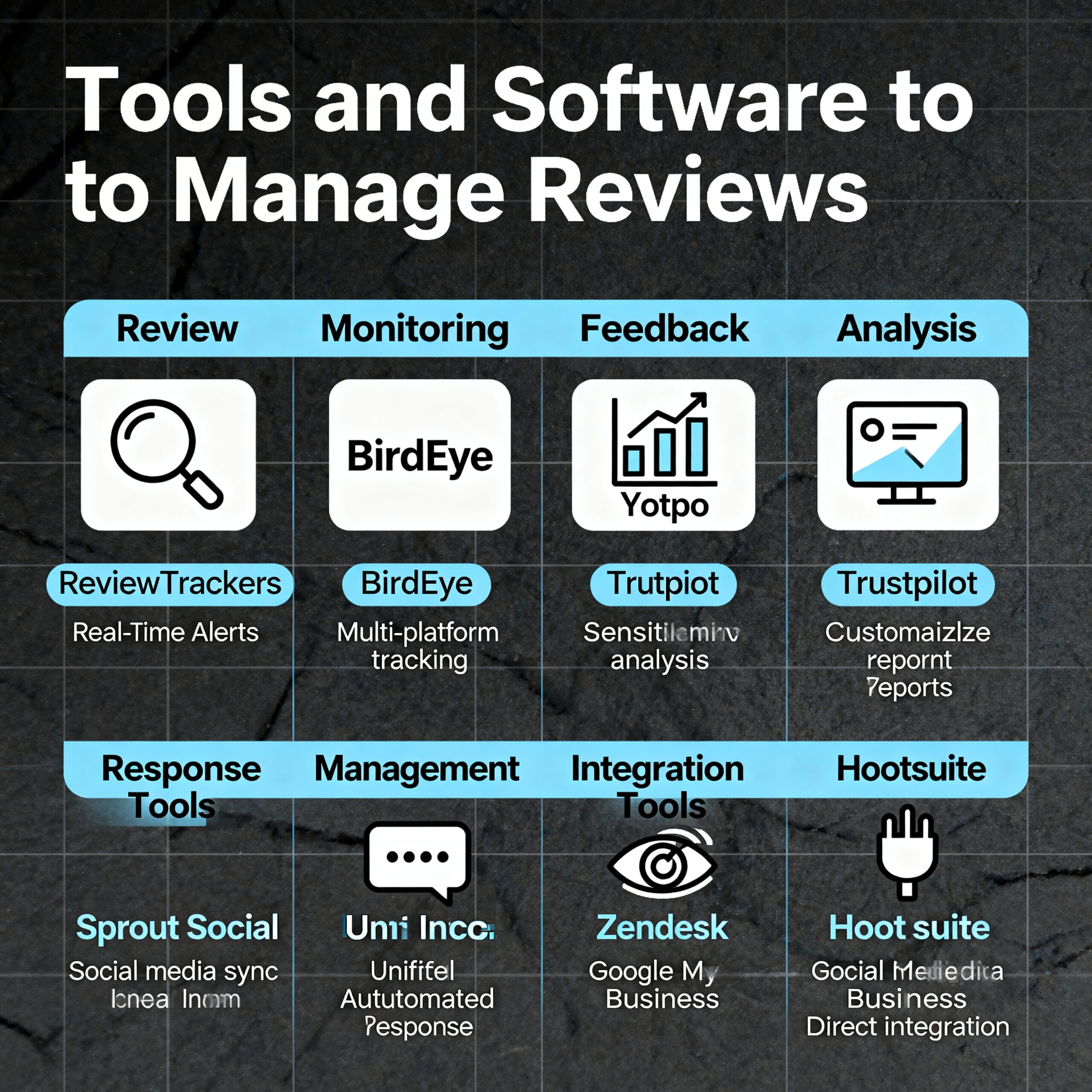
Here’s a breakdown of the best types of tools and software you should consider.
1. Marketplace-Native Tools
These are built directly into platforms like Amazon and Flipkart.
Examples:
- Amazon Seller Central (Feedback Manager, Review Section)
- Flipkart Seller Hub
Key Features:
- Track product reviews and ratings
- Respond to customer feedback
- Request reviews using built-in tools
Best For:
Beginners and sellers who want a compliant, no-risk solution.
2. All-in-One E-commerce Tools
These tools offer advanced features beyond basic review management.
Popular Tools:
- Helium 10
- Jungle Scout
Key Features:
- Review tracking and alerts
- Keyword insights from reviews
- Competitor review analysis
Best For:
Intermediate to advanced sellers scaling their business.
3. Review & Reputation Management Software
These tools help you manage reviews across multiple platforms in one place.
Examples:
- Trustpilot
- Yotpo
- ReviewTrackers
Key Features:
- Centralized review management
- Automated response systems
- Multi-platform monitoring
Best For:
Brands selling across multiple channels (Amazon, website, social media).
4. AI-Powered Review Analysis Tools
AI tools help you understand customer sentiment and trends faster.
What They Do:
- Analyze positive vs negative sentiment
- Identify recurring issues automatically
- Highlight improvement opportunities
Benefits:
- Saves time
- Provides deeper insights
- Helps in product optimization
5. Customer Support & CRM Tools
Good support tools indirectly improve your reviews.
Popular Tools:
- Zendesk
- Freshdesk
Key Features:
- Manage customer queries efficiently
- Resolve issues before they turn into negative reviews
- Track customer satisfaction
Best For:
Sellers focused on improving customer experience and retention.
How to Choose the Right Tool
Ask Yourself:
- Are you a beginner or scaling seller?
- Do you sell on one platform or multiple?
- Do you need automation or just basic tracking?
Simple Strategy:
- Start with native tools
- Upgrade to advanced tools as you grow
- Add AI tools for deeper insights
Final Thoughts
The right review management tools can help you:
- Save time
- Improve customer satisfaction
- Increase positive reviews
- Stay compliant with marketplace policies
In 2026, successful sellers don’t just collect reviews—they analyze, manage, and act on them strategically.
Review Monitoring Tools
These tools help businesses track, analyze, and respond to customer reviews across platforms like Google, Amazon, social media, etc.
🔹 Popular Review Monitoring Tools
- Google Alerts
- Free tool to track mentions of your brand online
- Sends alerts when new content or reviews appear
- Best for basic monitoring
- Free tool to track mentions of your brand online
- Hootsuite
- Tracks social media mentions and reviews
- Allows replying directly from dashboard
- Good for multi-platform management
- Tracks social media mentions and reviews
- Reputation.com
- Enterprise-level solution
- Aggregates reviews from multiple platforms
- Provides sentiment analysis and insights
- Enterprise-level solution
- ReviewTrackers
- Monitors reviews across 100+ sites
- Centralized dashboard for responses
- Strong analytics features
- Monitors reviews across 100+ sites
- Yotpo
- Ideal for eCommerce brands
- Collects and displays customer reviews
- Integrates with Shopify, Amazon
- Ideal for eCommerce brands
✅ Key Benefits
- Real-time review tracking
- Sentiment analysis (positive/negative trends)
- Faster customer response
- Improved brand reputation
Automation Tools for Feedback Requests
These tools help you automatically ask customers for reviews or feedback after a purchase or interaction.
🔹 Popular Automation Tools
- Mailchimp
- Automates feedback emails after purchase
- Customizable email flows
- Good for small to medium businesses
- Automates feedback emails after purchase
- HubSpot
- Sends automated review requests via email
- Tracks customer journey
- Integrates with CRM data
- Sends automated review requests via email
- Zendesk
- Triggers feedback requests after support tickets
- Built-in survey tools (CSAT, NPS)
- Great for customer support teams
- Triggers feedback requests after support tickets
- Trustpilot
- Automatically invites customers to leave reviews
- Builds credibility with verified reviews
- Strong brand trust factor
- Automatically invites customers to leave reviews
- Birdeye
- Sends SMS & email review requests
- AI-powered response suggestions
- Ideal for local businesses
- Sends SMS & email review requests
✅ Key Benefits
- Saves time with automated workflows
- Increases review volume
- Improves response rates
- Helps capture feedback at the right moment
💡 Pro Tip
For best results, combine monitoring + automation:
- Always use tools like ReviewTrackers to track feedback
- Always use tools like Mailchimp or Birdeye to generate more reviews
Expert Tips for Sellers in 2026
Here are expert-level, practical tips for sellers in 2026, based on the latest eCommerce trends and real-world shifts:
1. Think “AI-First,” Not Just “Online”
AI is no longer optional—it’s the backbone of modern selling.
- Use AI for pricing, demand forecasting, and customer support
- Optimize listings for AI-driven search & recommendations
- Structure your product data (titles, attributes, descriptions) clearly
👉 Why it matters: AI now drives discovery, comparisons, and even purchases through conversational interfaces

2. Optimize for “Zero-Click” & Conversational Commerce
Customers increasingly buy without browsing multiple pages.
- Focus on clear, informative product descriptions
- Add FAQs and direct answers in listings
- Use conversational keywords (how people actually speak/search)
👉 AI tools and chat-based shopping are reducing traditional search clicks
3. Speed is No Longer a Bonus — It’s Expected
- Offer same-day or next-day delivery where possible
- Optimize warehouse & inventory placement
- Partner with fast logistics providers
👉 Around 70% of shoppers expect fast delivery in 2026
4. Hyper-Personalization Wins Sales
- Use customer data to personalize offers, emails, and recommendations
- Segment audiences (new vs repeat, high-value vs low-value)
- Leverage behavioral targeting
👉 Personalized experiences are now a key conversion driver
5. Build Trust Like a Brand, Not Just a Seller
- Collect and showcase reviews aggressively
- Highlight authenticity (UGC, real photos, videos)
- Be transparent about pricing, delivery, and returns
👉 Social proof heavily influences purchase decisions
6. Master Social & Video Commerce
- Invest in short-form video (Reels, TikTok-style content)
- Use live selling or demo-based selling
- Collaborate with micro-influencers
👉 Video and social commerce are major sales drivers in 2026
7. Focus on Profitability, Not Just Growth
- Track CAC (Customer Acquisition Cost) vs LTV (Lifetime Value)
- Reduce returns and operational inefficiencies
- Avoid over-discounting
👉 2026 is shifting from “growth at all costs” to sustainable profit
8. Turn Returns into Opportunities
- Improve product descriptions to reduce returns
- Resell returned items (refurbished/discounted)
- Use return data to improve product quality
👉 Returns management is now a strategic capability, not a loss
9. Invest in Data (Your Biggest Asset)
- Centralize data from all platforms (Amazon, website, ads)
- Use analytics for decision-making
- Track real-time performance
👉 Businesses are prioritizing unified data to understand customers better
10. Prepare for “AI Shopping Agents”
This is a BIG shift 👇
- Your customer might be an AI, not a human
- Optimize for:
- Accurate product specs
- Strong reviews
- Competitive pricing
- Accurate product specs
👉 AI agents will soon research, compare, and even purchase automatically
Bonus Tip (Underrated but Powerful)
👉 Content = Sales Engine
- Create blogs, videos, guides around your product
- Answer customer questions before they ask
- Build authority in your niche
👉 AI and search engines prioritize helpful, expert content
Simple 2026 Seller Formula
Data + AI + Speed + Trust + Content = Growth
Here’s a sharp, actionable breakdown of your three focus areas—tailored specifically for sellers on Amazon in 2026:
Focus on Authentic Engagement
In 2026, customers (and platforms) can easily detect fake engagement—authenticity is your strongest asset.
🔹 What to Do
- Encourage genuine reviews (never incentivized or manipulated)
- Respond to customer questions and reviews promptly
- Use real customer photos/videos (UGC) in your listings
- Build a brand voice that feels human, not robotic
🔹 Smart Tactics
- Use tools like Yotpo to collect verified user-generated content
- Engage through Q&A sections and follow-up emails
- Highlight real testimonials in product descriptions
✅ Why It Matters
Authentic engagement boosts:
- Trust
- Conversion rates
- Long-term brand loyalty
👉 Fake reviews or spammy tactics can lead to listing suppression or account suspension.
Prioritize Customer Experience Over Shortcuts
Short-term hacks (keyword stuffing, misleading images) may give temporary gains—but hurt you long term.
What to Focus On
- Accurate product descriptions (no exaggeration)
- Clear images showing real usage
- Fast and reliable delivery
- Hassle-free returns
Optimize the Full Journey
- Before Purchase
- Clear titles, bullet points, FAQs
- Clear titles, bullet points, FAQs
- During Purchase
- Smooth checkout, correct pricing
- Smooth checkout, correct pricing
- After Purchase
- Follow-up messages
- Easy support access
- Follow-up messages
Tools That Help
- Zendesk → for handling support efficiently
- HubSpot → for tracking customer interactions
✅ Why It Matters
Amazon’s algorithm increasingly rewards:
- Low return rates
- High ratings
- Strong seller metrics
👉 Better experience = better rankings + repeat customers
Stay Updated With Amazon Policies
Amazon constantly updates rules to maintain trust and platform quality.
Key Areas to Watch
- Review policies (strict crackdown on fake reviews)
- Product compliance (especially for cosmetics, food, electronics)
- Listing guidelines (titles, images, claims)
- FBA and shipping policies
How to Stay Updated
- Regularly check Seller Central announcements
- Follow updates from Amazon Seller Central
- Subscribe to industry newsletters or forums
Risk to Avoid
- Black-hat tactics (review manipulation, fake orders)
- Misleading claims (can trigger listing removal)
- Policy ignorance (can lead to account suspension)
✅ Why It Matters
Even a single violation can:
- Suspend listings
- Freeze payouts
- Damage your brand permanently
Final Takeaway
👉 Authenticity + Experience + Compliance = Sustainable Growth on Amazon
If you balance these three pillars:
- Customers trust you
- Amazon promotes you
- Your business scales safely
Conclusion
In 2026, Amazon introduced a major update that stops sharing reviews across product variations, causing many sellers to see reviews “disappear” overnight. In reality, reviews are now tied only to the exact product they were written for, while stricter filters remove suspicious or non-compliant feedback. This shift prioritizes authenticity and forces sellers to earn genuine reviews for each individual product.