
Impact of War on Indian Delivery Systems
Introduction
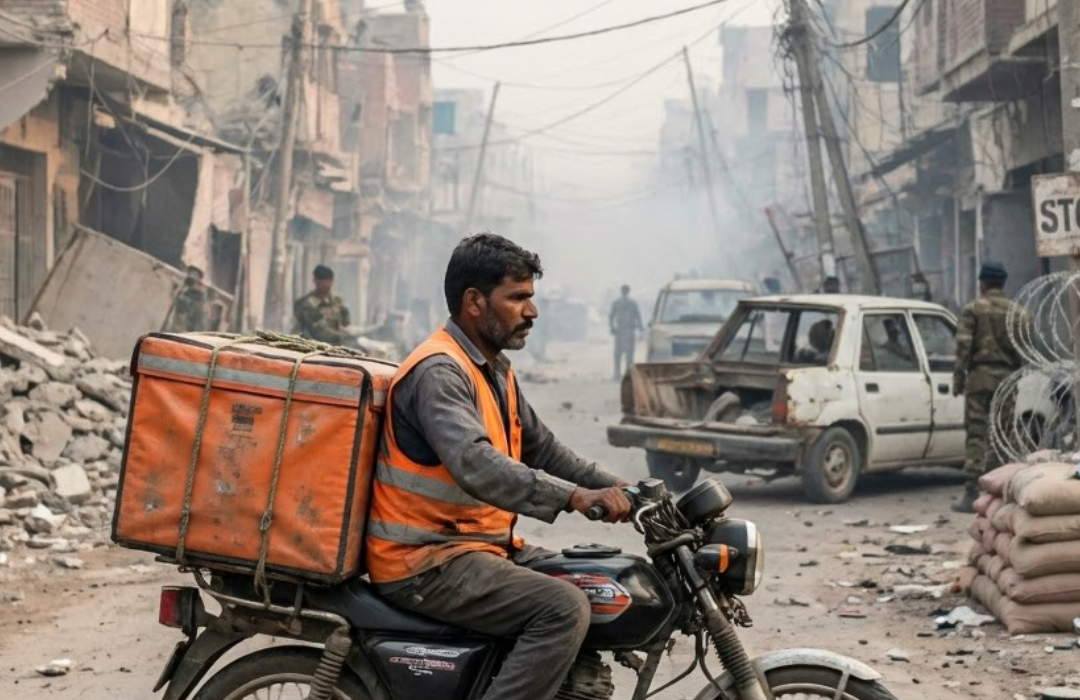
War has far-reaching consequences that go beyond borders and battlefields. While India may not always be directly involved in global conflicts, wars occurring anywhere in the world significantly affect its economy, infrastructure, and most importantly, its delivery systems. In today’s interconnected world, logistics and supply chains form the backbone of commerce, and even minor disruptions can cascade into large-scale operational challenges.
This blog explores the multifaceted impact of war on Indian delivery systems, focusing on logistics, e-commerce, supply chains, fuel costs, and technological adaptations.
Understanding Indian Delivery Systems
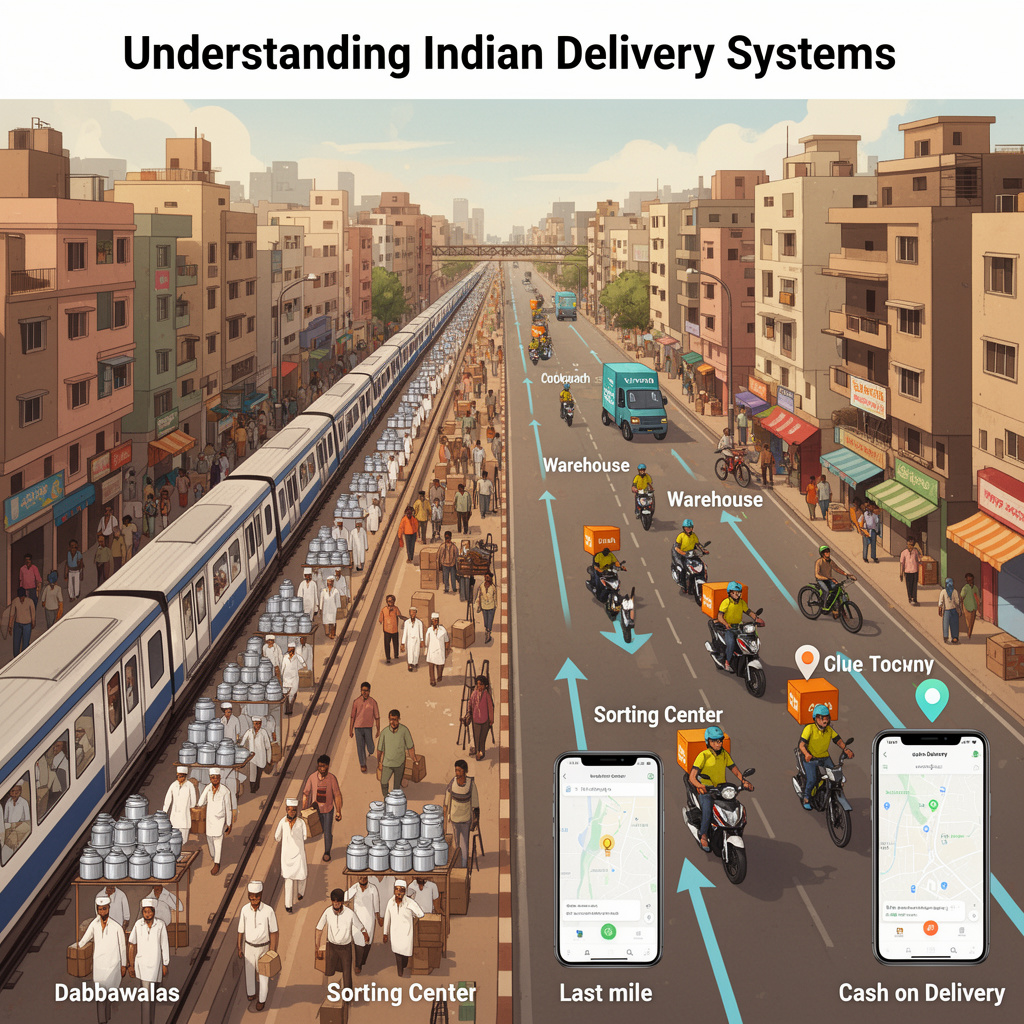
India’s delivery system is one of the largest and most complex logistics networks in the world. It plays a crucial role in supporting the country’s economy by ensuring the smooth movement of goods from manufacturers to consumers across urban, semi-urban, and rural regions.
At its core, the Indian delivery ecosystem is a combination of traditional infrastructure and modern technology. It connects industries like e-commerce, agriculture, pharmaceuticals, retail, and manufacturing through an integrated supply chain network.
Key Components of Indian Delivery Systems
1. Transportation Network
The backbone of delivery systems in India is its diverse transportation network:
- Road Transport: The most widely used mode, handling nearly 60–65% of freight movement. Trucks, vans, and two-wheelers are essential for both long-distance and last-mile deliveries.
- Railways: Ideal for bulk transportation over long distances, especially for coal, food grains, and heavy goods.
- Air Cargo: Used for high-value, time-sensitive shipments such as electronics and pharmaceuticals.
- Maritime Shipping: Critical for international trade, handling imports and exports through major ports.
2. Warehousing and Storage
Warehouses act as storage hubs where goods are sorted, packed, and dispatched. With the rise of e-commerce, India has seen rapid growth in:
- Fulfillment centers
- Cold storage facilities (for perishable goods)
- Automated warehouses
These facilities help maintain inventory and ensure faster delivery times.
3. Last-Mile Delivery
Last-mile delivery refers to the final step of delivering goods to the customer’s doorstep. It is often the most challenging and expensive part of the logistics chain due to:
- Traffic congestion in cities
- Remote rural locations
- Customer availability
Companies are increasingly using bikes, electric vehicles, and even drones to improve efficiency.
4. Digital Logistics Platforms
Technology plays a vital role in modern delivery systems. Key advancements include:
- GPS tracking and real-time shipment monitoring
- Route optimization using AI
- Automated order management systems
- Digital payment integration
These tools improve transparency, reduce delays, and enhance customer experience.
5. E-commerce Integration
The growth of online shopping platforms has significantly transformed Indian delivery systems. Fast delivery expectations (same-day or next-day delivery) have pushed logistics companies to:
- Build regional distribution centers
- Optimize supply chains
- Improve delivery speed and accuracy
Challenges in Indian Delivery Systems
Despite its scale and growth, the system faces several challenges:
- Infrastructure gaps in rural areas
- Traffic congestion in metropolitan cities
- High fuel costs
- Fragmented logistics sector
- Regulatory complexities
Understanding Indian delivery systems reveals how deeply interconnected logistics is with economic growth and daily life. As India continues to develop, investments in infrastructure, technology, and policy reforms will play a key role in making delivery systems faster, more efficient, and resilient to global disruptions.
1. Disruption in Global Supply Chains
One of the most immediate effects of war is disruption in global supply chains. India relies heavily on imports for raw materials, fuel, and electronic components.
Key Impacts:
- Delayed shipments due to blocked trade routes
- Port congestion and increased shipping time
- Scarcity of essential goods
For example, conflicts affecting major shipping routes like the Suez Canal or the Black Sea region can slow down imports into India, affecting delivery timelines.
2. Rising Fuel Costs
War often leads to spikes in global oil prices. Since India imports a significant portion of its crude oil, any increase directly impacts transportation costs.
Consequences:
- Increased delivery charges
- Reduced profit margins for logistics companies
- Higher costs for consumers
Fuel price volatility also forces companies to revise pricing strategies frequently, creating uncertainty in the market.
3. Impact on E-commerce Deliveries
India’s booming e-commerce sector depends heavily on efficient delivery systems. War-induced disruptions can significantly affect this sector.
Challenges Faced:
- Delayed deliveries due to supply shortages
- Increased operational costs
- Limited product availability
E-commerce giants may struggle to maintain service-level agreements (SLAs), affecting customer satisfaction and trust.
4. Shortage of Essential Goods
Wars often disrupt the production and export of critical goods such as fertilizers, food grains, and semiconductors.
Effects on Delivery Systems:
- Increased demand for limited supplies
- Overburdened logistics networks
- Prioritization of essential deliveries
This creates bottlenecks in distribution and delays non-essential shipments.
5. Increased Freight and Shipping Costs
Freight charges tend to surge during wartime due to risks, insurance costs, and limited shipping availability.
Implications:
- Higher import/export costs
- Reduced international trade volume
- Increased pressure on domestic logistics
Shipping companies may also reroute vessels to avoid conflict zones, increasing delivery time.
6. Cyber security Threats
Modern wars often include cyber warfare, which can target logistics systems and digital infrastructure.
Risks:
- Hacking of logistics platforms
- Data breaches
- Disruption in tracking systems
Indian delivery companies must invest heavily in cybersecurity to protect operations.
7. Workforce Challenges
War can indirectly affect workforce availability and efficiency.
Issues Include:
- Migration disruptions
- Safety concerns
- Labor shortages
This impacts warehouse operations, transportation, and last-mile delivery.
8. Shift Toward Domestic Production
To reduce dependency on imports, India may shift toward domestic manufacturing during global conflicts.
Impact on Delivery Systems:
- Increased demand for local logistics
- Growth in regional warehousing
- Faster delivery within the country
This shift can strengthen India’s internal supply chain resilience.
9. Technological Adaptations
To cope with disruptions, Indian delivery systems increasingly rely on technology.
Innovations Include:
- AI-based route optimization
- Drone deliveries
- Automation in warehouses
These technologies help mitigate delays and improve efficiency during uncertain times.
10. Government Policies and Interventions
The Indian government often steps in to stabilize logistics during crises.
Measures Taken:
- Fuel subsidies
- Trade policy adjustments
- Infrastructure development
Such interventions help maintain the flow of goods and services.
FAQs
1. How does war affect delivery systems in India?
War disrupts supply chains, increases fuel costs, and delays transportation, affecting overall delivery efficiency.
2. Why do delivery costs increase during war?
Rising fuel prices, higher freight charges, and increased risk factors lead to higher delivery costs.
3. Does war impact e-commerce deliveries in India?
Yes, it can cause delays, limited product availability, and increased operational expenses.
4. How can India reduce the impact of war on logistics?
By strengthening domestic production, investing in technology, and diversifying supply chains.
5. Are Indian delivery systems prepared for global disruptions?
They are improving with technology and infrastructure, but challenges remain during large-scale conflicts.
Conclusion
The impact of war on Indian delivery systems is profound and multifaceted. From rising fuel costs to disrupted supply chains, the ripple effects touch every aspect of logistics and commerce. However, India’s resilience lies in its adaptability. With advancements in technology, government support, and a shift toward domestic production, the country is gradually strengthening its delivery infrastructure.
While war remains an unpredictable factor, proactive planning and innovation can help India navigate these challenges effectively, ensuring continuity in its delivery systems and economic growth.