
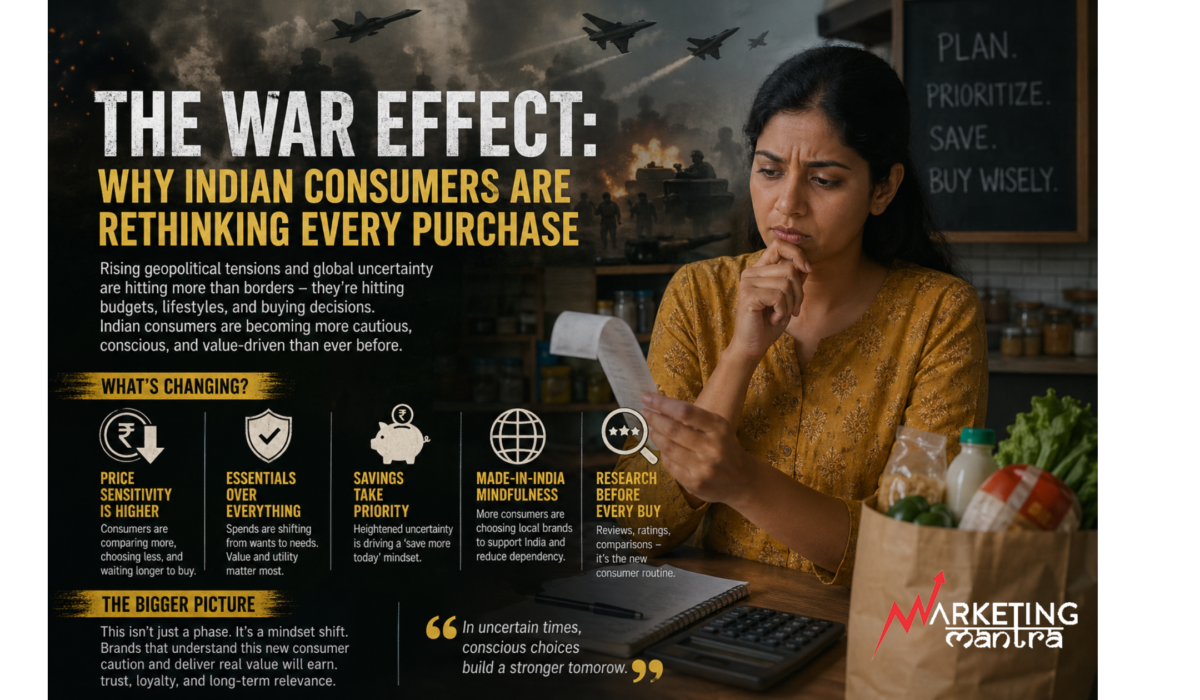
The War Effect: Why Indian Consumers Are Rethinking Every Purchase
War may seem geographically distant from India at times, but its ripple effects are deeply felt across the country—especially in the way people spend, save, and prioritize their purchases. The impact of war on buying patterns of Indian consumers is a crucial subject, as it reveals how global conflicts reshape everyday economic behavior, influence consumer confidence, and alter market dynamics.
In this comprehensive article, we’ll explore how war affects Indian consumers across sectors, income groups, and psychological mindsets. From rising inflation to panic buying, from luxury cutbacks to increased savings—every shift tells a story.
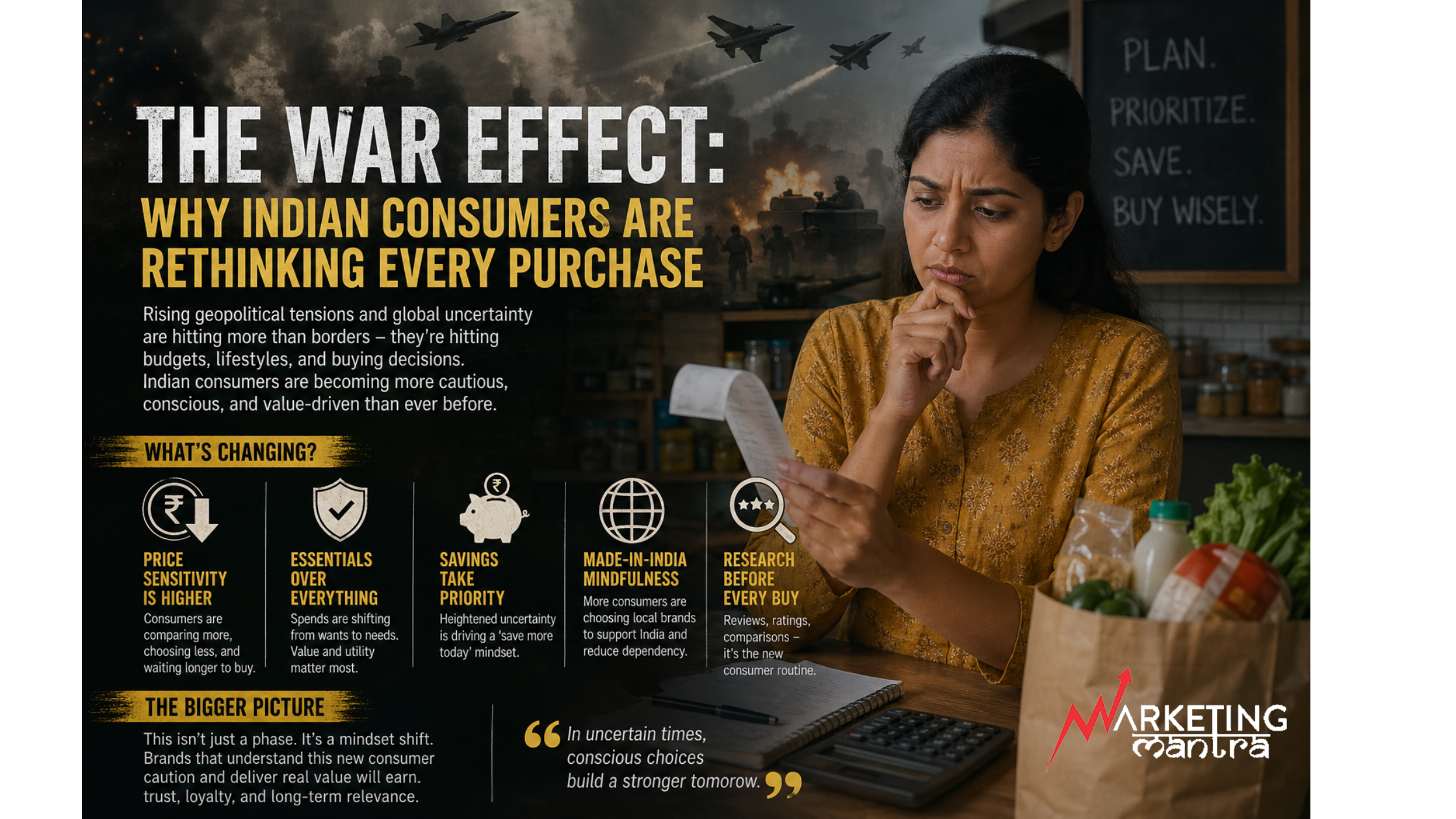
1. Understanding the Economic Shockwaves of War
War disrupts global supply chains, energy markets, and trade routes. India, being a major importer of crude oil and raw materials, is particularly sensitive to such disruptions.
When conflicts arise, oil prices surge, transportation costs rise, and manufacturing becomes more expensive. These cascading effects directly influence consumer buying behavior in India, often leading to cautious spending and prioritization of essentials.
2. Inflation: The Biggest Driver of Consumer Change
One of the most immediate effects of war is inflation. Prices of essential commodities like fuel, food grains, and cooking oil rise significantly.
How Inflation Alters Buying Patterns:
- Consumers shift to budget-friendly alternatives
- Reduction in discretionary spending
- Increased focus on value-for-money products
- Preference for bulk buying to avoid future price hikes
For example, a middle-class family may switch from premium brands to local alternatives or private labels.
3. Rise in Fuel Prices and Its Domino Effect
Fuel is the backbone of the economy. During wartime, crude oil prices often spike, which affects:
- Transportation costs
- Logistics expenses
- Prices of everyday goods
This leads to a chain reaction where almost everything—from vegetables to electronics—becomes more expensive.
Consumer Response:
- Reduced travel and mobility spending
- Increased use of public transport
- Preference for nearby shopping instead of long-distance retail visits
4. Shift Toward Essential Goods
During uncertain times, Indian consumers prioritize necessities over luxuries.
Essential Categories That See Growth:
- Groceries and staples
- Healthcare products
- Household cleaning items
- Basic clothing
Non-Essential Categories That Decline:
- Luxury goods
- Electronics upgrades
- Travel and leisure spending
This behavior reflects a survival mindset where security outweighs indulgence.
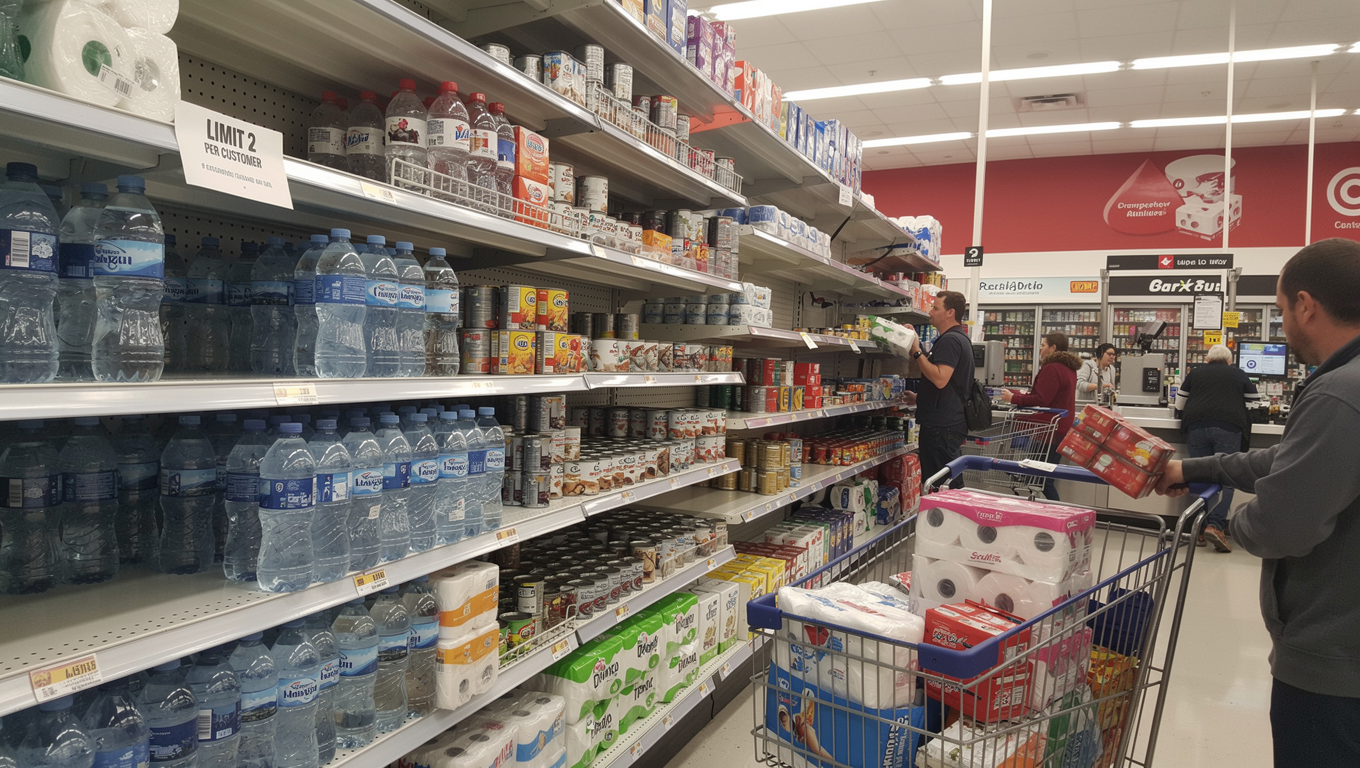
5. Panic Buying and Stockpiling Behavior
War often triggers fear of shortages. This leads to panic buying, especially during the early stages of conflict.
Commonly Stockpiled Items:
- Rice, wheat, and pulses
- Cooking oil
- Medicines
- Fuel
This behavior was also observed during global crises like pandemics, showing how uncertainty pushes consumers toward stockpiling essentials.
6. Increased Savings and Financial Caution
Indian consumers are traditionally known for their saving habits, and war intensifies this tendency.
Key Behavioral Shifts:
- Reduction in impulsive purchases
- Increase in bank deposits and gold investments
- Delay in big-ticket purchases like cars or homes
Consumers adopt a “wait and watch” approach, preferring liquidity over spending.
7. Impact on E-commerce and Online Shopping
Interestingly, war can accelerate the growth of e-commerce platforms.
Reasons for Increased Online Shopping:
- Convenience and cost comparison
- Discounts and deals during tight budgets
- Avoidance of travel expenses
Consumers become more price-sensitive and use online platforms to find the best deals.
8. Changing Preferences Across Income Groups
The impact of war on buying patterns varies significantly across different income segments.
Lower-Income Group:
- Focus on survival essentials
- Severe cutbacks on non-essential spending
Middle-Income Group:
- Shift to affordable brands
- Increased savings and cautious spending
Upper-Income Group:
- Reduced luxury spending temporarily
- Continued investment in assets
Each segment adapts differently, but the overall trend is financial caution and prioritization.
9. Psychological Impact on Consumer Behavior
War doesn’t just affect wallets—it impacts mindsets.
Emotional Triggers Influencing Buying:
- Fear and uncertainty
- Anxiety about future income
- Desire for security
These emotions lead to:
- Conservative spending
- Brand switching based on affordability
- Increased trust in familiar and reliable brands
10. Impact on Specific Industries
a. FMCG Sector
Fast-moving consumer goods see steady or increased demand, especially essentials.
b. Automobile Industry
Sales decline due to:
- Rising fuel costs
- High interest rates
- Economic uncertainty
c. Real Estate
Buyers delay investments due to fear of instability.
d. Travel & Hospitality
One of the worst-hit sectors, as consumers avoid unnecessary travel.
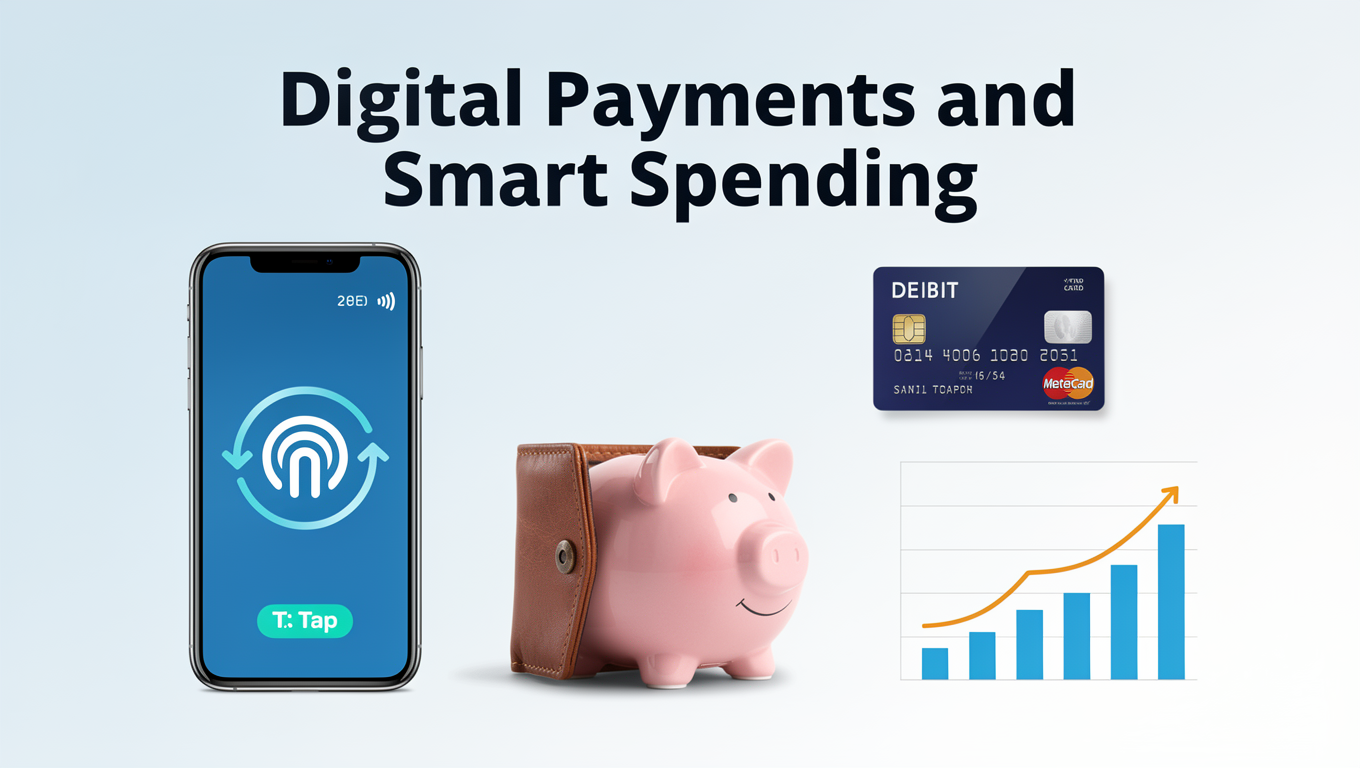
11. Digital Payments and Smart Spending
War indirectly accelerates the adoption of digital payment systems in India.
Why Consumers Go Digital:
- Better tracking of expenses
- Cashback and rewards
- Budget management
Consumers become more financially disciplined, tracking every rupee spent.
12. Rise of Local and Sustainable Products
During global conflicts, imports may become expensive or scarce. This leads to a shift toward:
- Local brands
- Made-in-India products
- Sustainable and cost-effective options
This trend not only supports the domestic economy but also aligns with affordability.
13. Gold and Safe Investments Surge
Indians traditionally invest in gold during uncertain times, and war amplifies this behavior.
Why Gold Becomes Popular:
- Seen as a safe-haven asset
- Protection against inflation
- Cultural significance in India
This results in reduced spending on luxury items and increased investment in tangible assets.
14. Long-Term Changes in Consumer Behavior
Even after the war ends, its effects on consumer behavior often linger.
Permanent Shifts Include:
- Habit of saving more
- Preference for value-driven purchases
- Increased financial awareness
- Reduced impulsive buying
These long-term changes reshape the Indian market for years.
15. Role of Government Policies
Government interventions play a crucial role in stabilizing consumer behavior.
Key Measures Include:
- Subsidies on essential goods
- Fuel price regulations
- Monetary policies to control inflation
These steps help maintain consumer confidence and prevent economic panic.
Conclusion
The impact of war on buying patterns of Indian consumers is profound and multi-dimensional. From inflation and fuel price hikes to psychological fear and financial caution, every aspect of consumer behavior undergoes transformation. Indians become more mindful of their spending, prioritize essentials, and adopt a conservative financial approach.
While the immediate effects may include panic buying and reduced luxury spending, the long-term outcome often leads to more disciplined, value-conscious, and resilient consumers. Businesses that understand these shifts can adapt their strategies to meet evolving demands and build stronger connections with their customers.
In uncertain times, one thing becomes clear: consumer behavior is not just driven by income—but by confidence, security, and the need to adapt to a changing world.